Where to find the code
Check the bottle base, pouch seal, side or back label, carton flap, jar bottom and neck or cap area. Inkjet printing can be faint, and an embossed code may appear only under angled light.
Use these practical steps:
- wipe condensation or dust without removing a label;
- photograph the code in diffuse light from two angles;
- keep the whole package in one photo for product context;
- distinguish zero from O and one from I;
- preserve dashes, spaces and leading zeros; and
- record an expiration or best-by date separately.
Do not assume a UPC, SKU or order number is the lot. UPCs usually identify a product configuration, while lots distinguish production history. A QR code may lead to a lookup page, but the destination must still return the correct lot evidence.
Start with product identity
Before comparing codes, verify that the COA describes the same product:
- product name and formula;
- oil, gummy, capsule, topical or another format;
- labeled CBD strength;
- flavor or variant;
- package volume or unit count; and
- version when a formula has changed.
A report for 2,000 mg oil does not verify a 1,000 mg bottle. A report for a bulk CBD ingredient does not verify the finished gummy. A report for an earlier formula cannot be carried forward because the brand name stayed the same.
Product identity narrows the candidates. The lot connection selects the relevant report.

How identifier mapping works
The simplest system repeats the retail lot code on the COA. Other systems require one additional step:
| Package shows | Report shows | Evidence needed |
|---|---|---|
| Finished lot A | Finished lot A | Direct exact match |
| Packaged lot A-2 | Bulk batch A | Batch record mapping A-2 to A |
| Brand lot A | Lab sample X | Chain-of-custody or portal mapping A to X |
| Date code only | Batch identifier | Brand explanation linking the date code to batch |
| QR lookup | Report document | Lookup must resolve to the entered/scanned lot, not a generic page |
The mapping can be internal, but a customer needs enough evidence to verify the result. A support response that merely says “all lots are tested” does not resolve a mismatched identifier.
ISO 22005 describes traceability as a tool for following the history or location of a product or relevant components through defined stages. That principle is useful here: the code should lead backward to production and testing, and forward to the packaged units affected.

Dates are a consistency check, not a match
A report’s received, tested and issued dates should make sense relative to manufacturing and release. But dates alone cannot prove identity.
A COA issued before the batch was made is an obvious mismatch. A COA issued after production may be plausible. Several lots can share a production day, and the same product can be tested repeatedly.
Keep these dates distinct:
- manufacturing or production date;
- packaging/filling date;
- laboratory received date;
- test date;
- report issue date;
- best-by or expiration date; and
- retest date, if used.
An old report beside a current package may document historical testing, but it does not verify the current unit unless the lot mapping proves they belong together.
Chain of custody fills the gap
The COA describes the sample the laboratory received. Chain-of-custody records connect that sample to the company’s batch or lot.
A useful chain records who collected or submitted the sample, the sample description, identifier, quantity, condition, dates and transfers. It helps answer whether the tested vial actually came from the lot named on the report.
Chain of custody does not prove that the sample represents every unit in a batch. Sampling design is a separate question. But without custody and identifier control, even an excellent analytical method can be attached to the wrong product.
The third-party-testing guide covers laboratory independence, panels and accreditation. This page focuses on the identity bridge before those results are interpreted.
What manufacturing records can connect
FDA’s dietary-supplement CGMP guidance describes batch production records that include finished-batch and packaged-lot identifiers, documentation of specifications, manufacturing and packaging steps, and test results or cross-references. It also requires traceability for component lots and distribution history under that framework.
That is a useful model for record linkage. It must not be misread as a declaration that ordinary retail CBD products are lawful dietary supplements or that every CBD product is governed identically. FDA has stated that CBD cannot simply be marketed as a dietary supplement under the existing federal pathway.
For a CBD brand, a robust internal record can connect:
- ingredient supplier lot;
- bulk extract lot;
- formulation or blending batch;
- finished-product test sample;
- packaging run and label version;
- retail lot code; and
- distribution or recall scope.
The consumer does not need every manufacturing detail. The public lookup does need an unambiguous path from retail code to relevant report.
A worked mismatch workflow
Suppose a pouch shows code A-02, while the linked COA shows batch A and laboratory sample X.
Do not declare it matched or mismatched solely from the shared letter. Ask for documentation that:
- packaged lot A-02 came from bulk batch A;
- laboratory sample X was drawn from batch A;
- the sample was the finished formulation or its exact stated stage;
- dates are consistent with production and release; and
- the linked report is complete and unaltered.
If the brand confirms only that “A-02 is similar to A,” the evidence remains incomplete. If it supplies a lot lookup or written cross-reference, preserve that record with the COA.
Common mismatch patterns
Same name, different strength
Brands may keep a product family name across multiple concentrations. Match bottle volume and total CBD as well as the name.
Same batch, different package lot
One bulk batch may be packaged across several lines or dates. This can be legitimate when records map each packaged lot to the tested batch.
Raw ingredient instead of finished product
An ingredient COA can support supplier qualification. It cannot verify post-blending potency, contaminants introduced later or unit uniformity.
QR code opens a generic library
A generic lab page is discovery, not a match. Enter or select the lot and confirm the returned document.
Report was revised
Laboratories may issue corrected reports. Check revision number, issue date and what changed. Keep the final authorized version without silently discarding audit history.
The package has no visible code
Ask the brand where the traceability identifier is located and how the unit maps to a report. Record the support response. Do not use the newest report by default.
After the lot matches, inspect the evidence
A correct match is necessary, not sufficient. Next verify:
- finished-product versus ingredient sample;
- potency units and label variance;
- cannabinoid and THC definitions;
- pesticide, metal, solvent and microbial panels;
- reporting and action limits;
- method and accreditation scope; and
- complete pages and authorization.
Use the CBD COA reading workflow for the full document. The potency-variance guide handles label-to-result calculations, while the contaminant-panel guide handles analytes and limits.
Current Mood lookup boundary
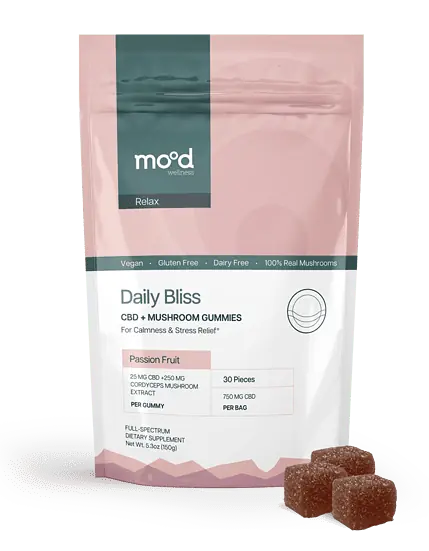
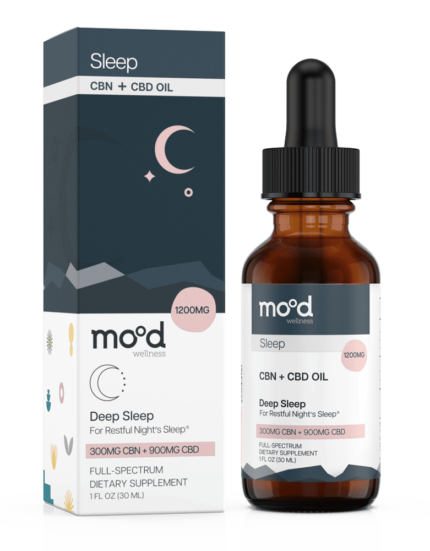
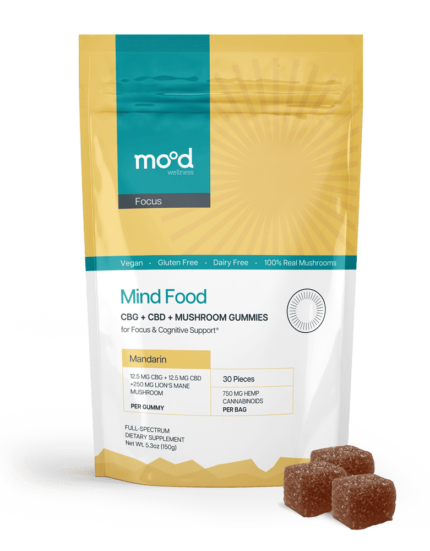
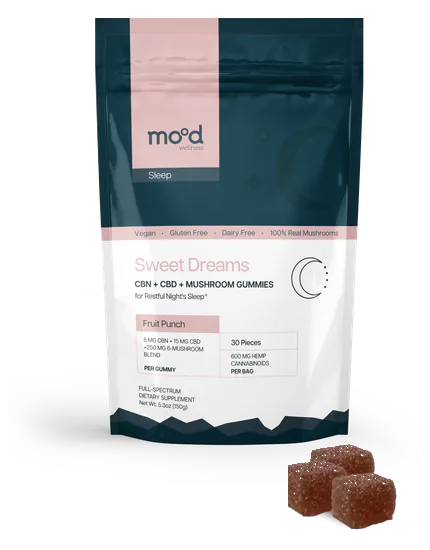
Mood’s public Lab Results page links reports for multiple CBD oils and gummies. This provides a public starting point.
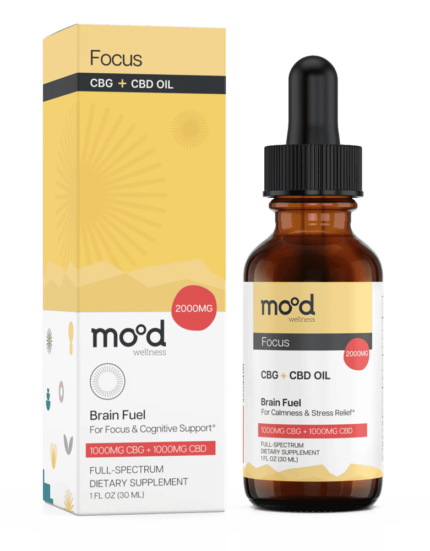
The sampled Mind Food and Sweet Dreams reports reviewed during this project were dated February 2023, and the sampled Brain Fuel report was dated October 2022. Those historical documents can describe only the samples and identifiers they show.
For a package purchased now, locate its retail code and confirm an explicit match to the linked report. If the site does not expose that mapping, request it from Mood. Do not assume the newest visible file belongs to the unit in hand.
Package-to-COA checklist
| Check | Package | COA/lookup | Match? |
|---|---|---|---|
| Exact product/formula | |||
| Strength and package size | |||
| Flavor/variant | |||
| Batch/lot/control code | |||
| Lab sample ID mapping | |||
| Finished-product sample | |||
| Production/packaging date | |||
| Received/test/report dates | |||
| Report revision | |||
| Complete pages and lab identity |
Write “mapping required” when codes differ. A blank field should remain visible rather than being filled with an assumption.
Safety and recall relevance
Lot traceability matters beyond shopping. If a company recalls or investigates a batch, the package code helps determine whether your unit is included. Keep the original packaging until you have finished using the product.
Follow official recall instructions and stop using a product when directed. Report suspected adverse events to a clinician and the relevant authority.
A lot-matched COA does not establish personal suitability. FDA warns that CBD can cause liver injury, interact with medications and increase sedation with alcohol or other substances that slow brain activity. FDA advises against CBD during pregnancy and breastfeeding.

Bottom Line: CBD Batch Numbers and Coas
Match a CBD COA from the retail package outward. Capture the exact code and product variant, use an explicit mapping to the report’s batch or sample ID, and check that dates and sample type make sense.
A QR code, similar product name or newest report is not enough. When identifiers differ, request the cross-reference. The result is verified only when the traceability chain connects your packaged lot to the analyzed sample without guesswork.
Quick answers
Frequently asked questions about CBD Batch Numbers and COAs
What is the practical answer about CBD Batch Numbers and COAs?
Match a CBD COA from the retail package outward. Capture the exact code and product variant, use an explicit mapping to the report’s batch or sample ID, and check that dates and sample type make sense. A QR code, similar product name or newest report is not enough.
Which Mood product fits this topic?
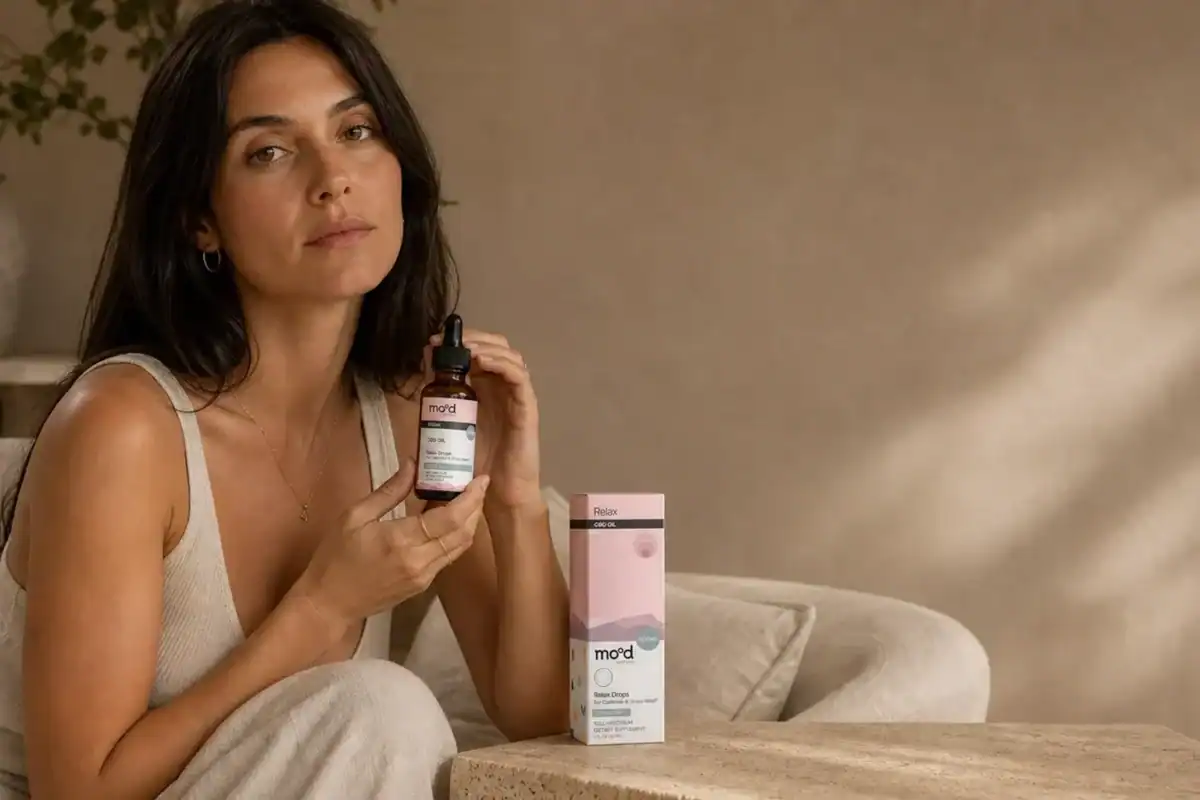
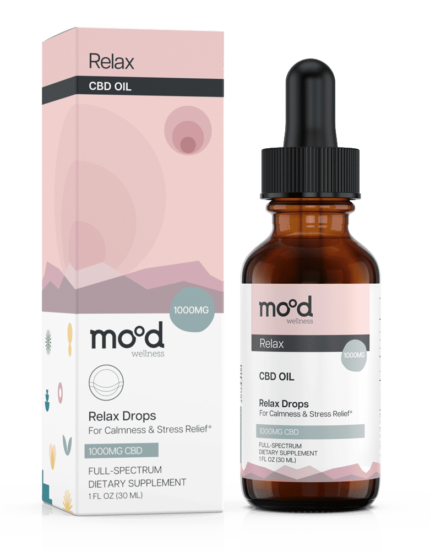
Relax Drops is the most relevant Mood option for this topic. Mood Relax Drops provide a clearly labeled CBD oil format for shoppers who want flexible serving control and an easy way to build CBD into a daily or evening routine.
What should I compare before choosing a product?
Compare the cannabinoid amount per measured serving, the complete ingredient list, spectrum or THC information, current product directions and available batch documentation. The best choice is the formula that fits the goal and is easy to use consistently.
How should I start using a new CBD or cannabinoid product?
Follow the current package directions, choose a low-demand first-use window and keep timing and meal context reasonably consistent. Review medication, pregnancy, liver and impairment considerations with a qualified clinician when relevant.
Sources
- U.S. Food and Drug Administration. Small Entity Compliance Guide: Current Good Manufacturing Practice in Manufacturing, Packaging, Labeling, or Holding Operations for Dietary Supplements.
- International Organization for Standardization. ISO 22005:2007: Traceability in the feed and food chain.
- U.S. Food and Drug Administration. Traceability Lot Code.
- U.S. Food and Drug Administration. What You Need to Know About Products Containing Cannabis or Cannabis-Derived Compounds, Including CBD.
- Mood Wellness. Lab Results page and linked reports. Checked September 9, 2026.
- U.S. Food and Drug Administration. What the FDA is Doing to Protect Consumers from Cannabidiol (CBD) in Foods. Accessed September 2026.