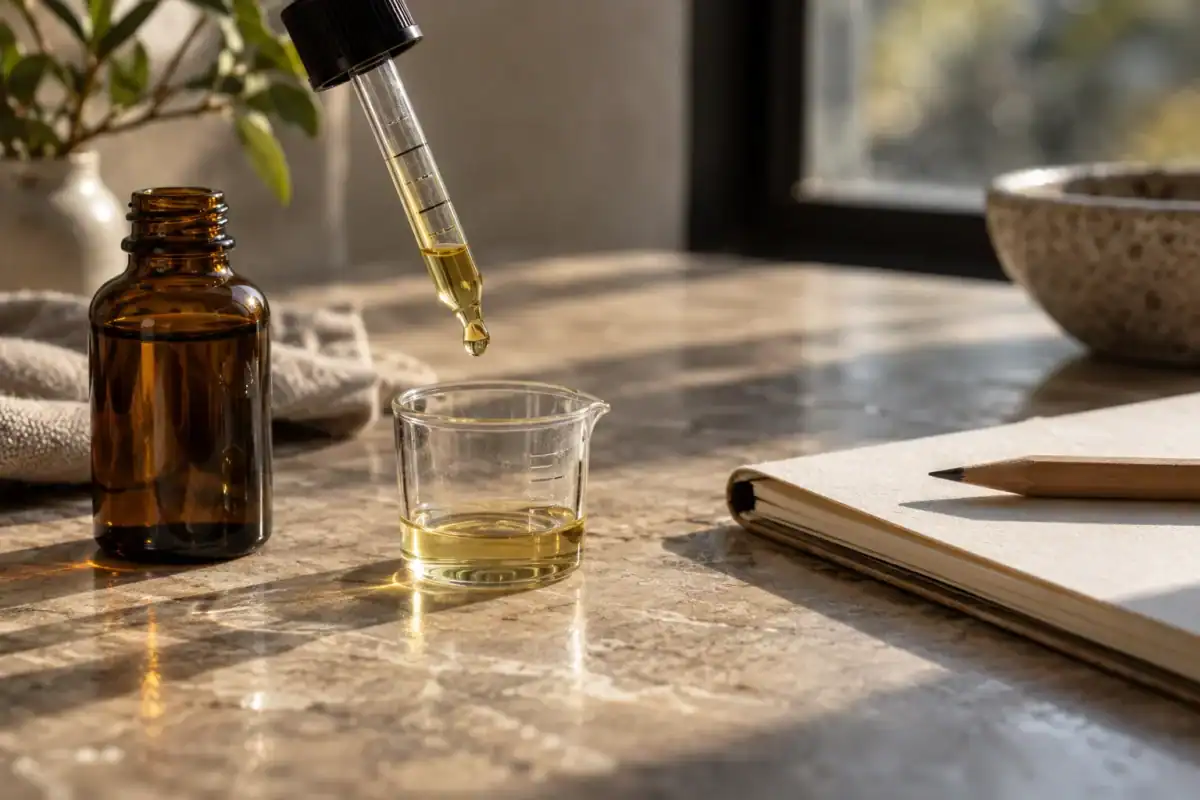
Best when you want flexible serving control with a dropper.
CBD beginner guide
How To Use CBD
A precise, beginner-friendly guide to CBD oil, gummies, serving size, timing, safety, COAs, and choosing the right Mood routine.

Relax. Focus. Sleep.
Targeted cannabinoids and adaptogen mushrooms for daily wellness routines.
How do you use CBD? Use CBD by choosing the format that fits your goal: CBD oil for adjustable serving control, gummies for a consistent daily routine, capsules for simple swallowing, and topicals for skin application. Start with a low serving, keep the timing consistent for several days, and check the COA for CBD, THC, batch match, and contaminant testing before buying.
Best starting point: Most beginners should compare CBD oil vs gummies first, then choose based on control, convenience, onset time, THC sensitivity, medication status, and lab testing. This guide covers serving size, how long CBD may take to work, side effects, drug interactions, drug-test considerations, and when to ask a healthcare professional before using CBD.
Table of Contents
Best for a pre-measured routine that is simple to repeat daily.
Start low, hold steady for several days, then adjust gradually.
Check CBD, THC, batch match, and contaminant testing before buying.
Beginner decision map
Choose by routine, not by hype.
CBD works best as a considered routine. The format should match the moment: oil for control, gummies for simplicity, and safety checks before everything else.
The cleanest way to begin is to make one decision at a time: choose a format, keep the serving consistent, watch how your body responds, then refine with intention.
CBD Oils
Flexible serving control
Best for beginners who want to start low, adjust gradually, and control the serving more precisely with a dropper.
CBD Gummies
Simple pre-measured routine
Best when consistency matters more than precision: travel, taste, daily habit building, and a routine that does not require a dropper.
CBD Capsules
Consistent no-flavor format
Useful when someone wants a swallowed, repeatable serving without taste, but less flexible than oils for small adjustments.
CBD Topicals
Applied directly to skin
Best understood as a localized skin product. It is not used like oral CBD oil, gummies, or capsules.
CBD Vapes
Fast onset, higher caution
Some people use inhaled CBD for faster onset, but vaping carries lung-safety concerns and is usually not the best beginner path.
CBD Drinks
Convenient, less precise
Beverages can be easy to consume, but serving clarity, sugar, added ingredients, and onset timing vary widely by product.
Format comes first
The right CBD product is not always the strongest one. A beginner should first decide whether they need adjustable control, an easy routine, or a topical format that is applied to skin.
Serving size is personal
CBD response can vary by body, sensitivity, product type, frequency, and medication status. The page should teach a repeatable method rather than promise a universal dose.
Trust is visible
Lab testing, batch matching, THC disclosure, and contaminant screening should be easy to understand. For YMYL content, trust signals need to appear before the strongest product CTA.
Use rhythm
Start low. Hold steady. Adjust intentionally.
CBD routines become easier to understand when the variables stay simple. Avoid switching format, serving size, and timing all at once.
Quick choice
Which CBD format should you start with?
If you are new to CBD, the best product is usually the one that makes your routine easiest to repeat while giving you the amount of control you need.
You want flexible serving control, a slower first routine, or the ability to adjust carefully over time.
You prefer a consistent, pre-measured serving that fits travel, taste, and a daily wellness habit.
You take prescription medication, are pregnant or breastfeeding, have liver concerns, or may be drug tested.
Before you choose
CBD vs THC: What Is the Difference?
CBD and THC are both cannabinoids from the cannabis plant, but they are not used the same way. CBD is non-intoxicating, while THC is the cannabinoid most associated with the cannabis high. Product labels, THC content, and lab reports matter because CBD products can vary widely.
| Topic | CBD | THC |
|---|---|---|
| Intoxicating effect | Non-intoxicating; does not create the typical cannabis high. | Intoxicating and primarily responsible for marijuana’s mental-state effects. |
| Beginner concern | Serving size, product quality, medication interactions, and COA accuracy. | Impairment, drug testing, state laws, and sensitivity. |
| Drug testing | CBD itself is not usually the target, but full-spectrum or mislabeled products can raise risk. | THC and its metabolites are commonly relevant to drug tests. |
| Best safety check | Read the COA for CBD amount, THC amount, batch match, and contaminant screens. | Know legal limits, impairment risk, and local rules before use. |
Full-Spectrum vs Broad-Spectrum vs Isolate CBD
CBD spectrum tells you what else may be present with CBD. It is one of the most important details for beginners because it affects THC exposure, plant-compound profile, and drug-test risk.
Contains CBD plus other hemp compounds and may include trace THC within the product’s legal limit. Best only when you are comfortable reviewing THC on the COA.
Usually includes CBD and other hemp compounds with THC removed or not detected. COA review is still important because labels can vary.
CBD separated from other cannabinoids. Often chosen by people who want a simpler cannabinoid profile, though COA verification still matters.
How long does CBD stay in your system?
There is no single timeline. Serving size, frequency, format, metabolism, and body composition all affect how long CBD may remain detectable in the body. Regular use usually matters more than one occasional serving.
Can CBD show up on a drug test?
CBD itself is not usually the target of standard drug tests, but full-spectrum products can contain trace THC and mislabeled products can increase risk. If testing matters, review the COA carefully and avoid products with unclear THC data.
Is CBD addictive?
CBD is generally described as non-intoxicating and does not produce the cannabis high associated with THC. That does not remove the need to check quality, side effects, medications, and THC content.
Is CBD legal by state?
CBD legality can depend on federal rules, state law, product type, and THC content. Before buying or traveling, check local requirements or read a dedicated legality guide.
Editorial trust
Reviewed for safety, clarity, and source quality
This guide is written for education, not diagnosis or treatment. It avoids disease-treatment promises, separates product recommendations from safety guidance, and prioritizes sources from the FDA, NCCIH, peer-reviewed research, and Mood Wellness batch testing.
- Published
- April 1, 2023
- Updated
- July 22, 2026
- Author
- Mood Wellness Editorial Team
- Reviewed by
- Mood Wellness Product & Safety Review
What Is the Best Way to Use CBD?
The best way to use CBD depends on what you want from the routine. If you are new to CBD, the smartest approach is not to chase the strongest product. It is to choose a clean, lab-tested format, use one product at a time, and give your body a few days to respond before changing the serving size.
CBD is non-intoxicating, which means it does not create the same high associated with THC. That does not make every CBD product automatically appropriate for every person. Quality, THC content, serving size, medications, and personal sensitivity all matter.
Best for controlCBD oil lets you adjust your serving more precisely than gummies or capsules.
Best for simplicityCBD gummies are pre-measured, portable, and easy to repeat daily.
Best for skinTopicals are applied to the skin and are not used like oral CBD.
Best safety habitCheck the COA before buying and avoid products without batch testing.
5 Common Ways to Use CBD
CBD can be taken in several forms. Each format changes how easy it is to measure, how long it may take to notice, and how naturally it fits into your day.
| CBD format | How to use it | Best for | What to watch |
|---|---|---|---|
| CBD oil / tincture | Measure with the dropper. Many people hold it under the tongue briefly before swallowing. | Flexible serving control and beginner testing. | Read mg per serving, not just total mg per bottle. |
| CBD gummies | Eat one pre-measured gummy according to the label. | Simple daily routines, travel, and taste. | Effects may take longer because gummies go through digestion. |
| Capsules / softgels | Swallow with water, usually at the same time each day. | A no-flavor, consistent routine. | Less flexible than oils if you want small serving adjustments. |
| Topicals | Apply to clean skin where desired. Wash hands after use. | Localized skin application. | Do not apply to broken skin unless the label says it is appropriate. |
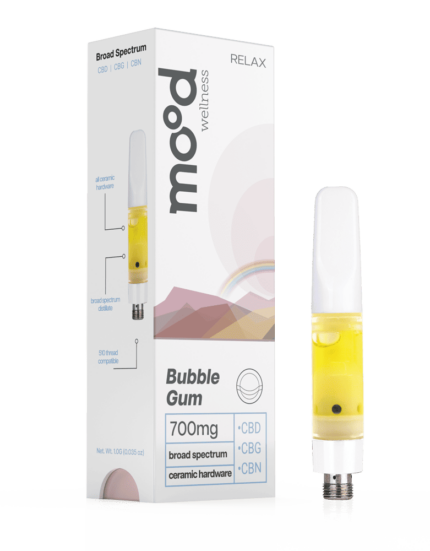
| Vapes | Inhaled through a vape device. | Fast onset, where legal and appropriate. | Vaping carries lung safety concerns and is not the best beginner path. |
Beginner recommendation: start with a product category that is easy to repeat. Compare CBD oils for control or CBD gummies for simplicity.
CBD Oil vs Gummies: Which Should You Choose?
CBD oil and gummies can both work well for beginners. The difference is the user experience. Oil is adjustable. Gummies are easier. If you are trying CBD for the first time and want the most control, oil is usually the better starting point. If you want a no-measuring routine, gummies are more convenient.
| Feature | CBD oil | CBD gummies |
|---|---|---|
| Serving flexibility | High. You can adjust drop by drop. | Medium. Each gummy has a fixed amount. |
| Ease of use | Requires measuring. | Very easy and pre-measured. |
| Taste | Earthy or flavored, depending on product. | Usually sweeter and more familiar. |
| Timing | May be noticed sooner when held under the tongue. | Usually slower because of digestion. |
| Best fit | Beginners who want control. | Beginners who want convenience. |
How Much CBD Should You Take?
There is no universal CBD serving that fits everyone. Body weight, metabolism, sensitivity, product type, frequency of use, and medication status can all change the right starting point. For a safer beginner routine, use the lowest practical serving on the label, stay consistent for several days, and increase gradually only if needed.
Important: CBD may interact with medications and may not be appropriate during pregnancy, breastfeeding, for people with liver concerns, or before surgery. If any of those apply, ask a healthcare professional before using CBD.
For a deeper breakdown, read the CBD dosage guide. If you take prescription medication, start with CBD drug interactions before choosing a serving.
How Long Does CBD Take to Work?
CBD timing varies by format and person. Oral products must be absorbed before you notice them, and digestion can slow that process. Oils may be noticed sooner than gummies for some people, while topicals are used differently because they are applied to skin.
| Format | General timing note | Duration note |
|---|---|---|
| CBD oil | Often used when people want a more adjustable, faster routine than edibles. | Varies by serving and individual metabolism. |
| CBD gummies | Usually slower because they pass through digestion. | May feel steadier for people who prefer an edible routine. |
| Capsules | Similar to edibles because they are swallowed. | Good for consistent routines, less flexible for adjustment. |
| Topicals | Applied directly to skin. | Not comparable to swallowed CBD products. |
Who Should Not Use CBD Without Medical Guidance?
CBD is widely available, but it still deserves the same caution you would use with any wellness product that can affect the body. The FDA and NCCIH both note concerns around side effects, product quality, contamination, mislabeling, liver concerns, and drug interactions.
Pregnant or breastfeedingAvoid CBD unless your clinician specifically advises otherwise.
Taking medicationsCBD may interact with medications, including drugs metabolized by CYP450 pathways.
Liver concernsCBD has been associated with liver-related safety concerns in some contexts.
Drug testingFull-spectrum products can contain trace THC, and mislabeled products can increase risk.
Children or teensKeep CBD products away from children, especially gummies or candy-like formats.
Before surgeryAsk your clinician whether CBD should be paused before a procedure.
Possible Side Effects of CBD
CBD side effects can include sleepiness, digestive changes, appetite changes, mood changes, and reduced alertness. Stop using CBD and speak with a healthcare professional if you experience unwanted effects, especially if you are using other medications.
Quality check
Read the COA before the cart.
A certificate of analysis is the proof layer behind a CBD label. Use it to confirm the product in your hand matches the lab report, the cannabinoids are clearly listed, and the safety screens are recent enough to trust.
View lab results
Batch-tested products only

Batch matchProduct + lot number match
CBD amountPer serving + total CBD
THC levelMatches the product type
Safety screensMetals, pesticides, solvents, microbes
Lab report literacy
How to Read a CBD Certificate of Analysis (COA)
A COA is a third-party lab report that helps verify cannabinoid content and safety testing. It is one of the strongest trust signals a CBD brand can provide, but only when the report is easy to match to the exact product and batch you are buying.
Batch match
The product name, formula, and lot or batch number should match the item in your hand. If the batch is missing or generic, treat that as a reason to pause.
CBD amount
Check CBD per serving and total CBD in the package. Do not rely only on large front-label numbers without serving context.
THC amount
Confirm the THC level fits the product type and your own risk tolerance, especially if you avoid THC or may be drug tested.
Contaminants
Look for screening for heavy metals, pesticides, residual solvents, and microbial contaminants. Recent testing is more useful than an old generic certificate.
Trust step
View Mood lab results
Before buying, open the lab result and compare the batch details against the product label. If medications, pregnancy, breastfeeding, liver concerns, or drug testing are relevant, ask a healthcare professional before starting CBD.
Shop by routine
Best CBD Product by Goal
Use this section as a practical starting point, not a medical recommendation. Choose the routine that matches your goal, then check the COA and ingredient details before buying.
Use the product goal, not the highest milligram number, to choose your starting point.
Beginner control
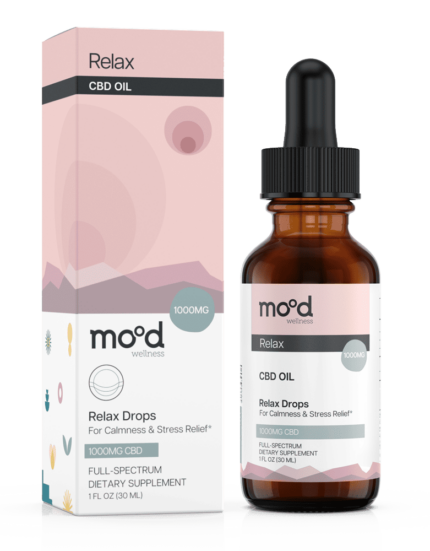
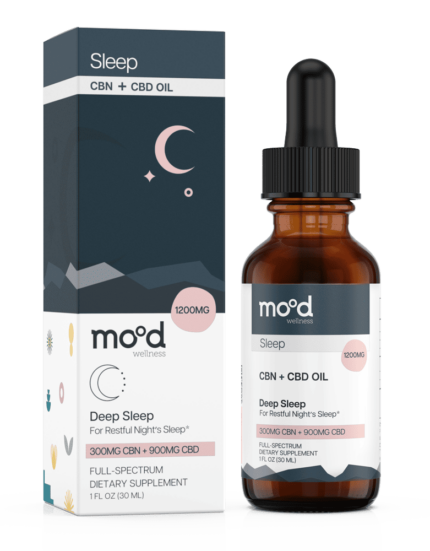
Relax Drops
Best when you want flexible serving control and the ability to adjust your CBD routine gradually.
Shop Relax Drops
Calm / relax
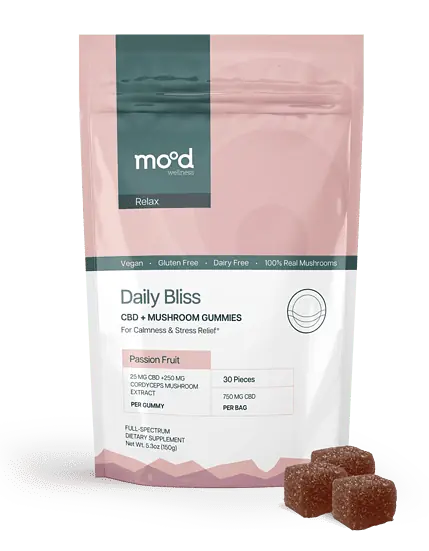
Daily Bliss
An easy gummy routine with CBD and Cordyceps for a simple daily wellness ritual.
Shop Daily Bliss
Focus
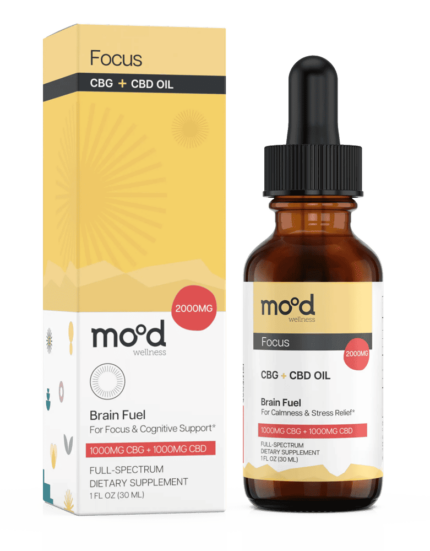
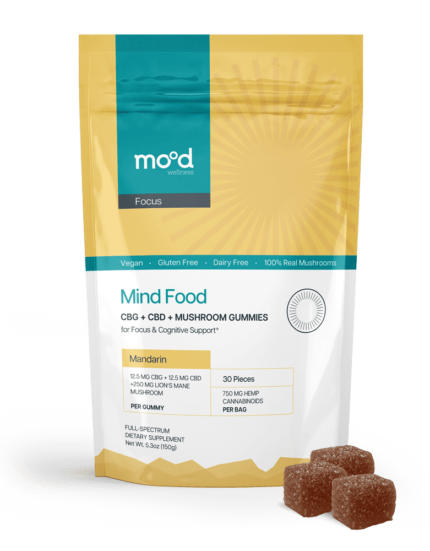
Mind Food
Combines CBD, CBG, and Lion’s Mane for a focus-forward routine without making a medical claim.
Shop Mind Food
Sleep routine
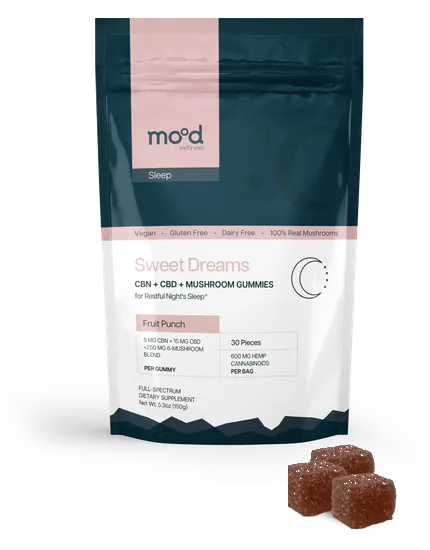
Sweet Dreams
Built for a nighttime routine with CBD, CBN, and mushroom support in a pre-measured gummy format.
Shop Sweet Dreams
Still deciding?
Still Unsure? Start Here
If you want the easiest routine, choose gummies. If you want the most control, choose CBD oil. If you take medications or need to avoid THC, review the COA and speak with a healthcare professional before starting.
Compare CBD products
FAQ
How to Use CBD FAQ
Short answers for the questions readers usually check before choosing a CBD format, serving size, or routine.
What is the best way to use CBD for beginners?
For most beginners, CBD gummies or CBD oil are the easiest starting points. Gummies are pre-measured and simple. Oils are more flexible because you can adjust the serving size gradually. Start low, use the same serving for several days, and track how you feel.
How much CBD should I take the first time?
There is no universal first serving. A conservative approach is to start with a low serving, keep the routine consistent, and increase slowly only if needed. People taking medications, pregnant or breastfeeding people, and anyone with liver concerns should speak with a healthcare professional first.
How long does CBD take to work?
CBD oil held under the tongue may be noticed sooner than edibles because it can absorb partly through the mouth. Gummies and capsules usually take longer because they pass through digestion. Topicals are applied locally and are different from oral products.
Should I take CBD oil or gummies?
Choose oil if you want flexible serving control. Choose gummies if you want convenience, taste, and a consistent pre-measured amount. Both can fit a beginner routine when the product is lab-tested and the serving size is clear.
Can I use CBD every day?
Some people use CBD as part of a daily wellness routine, but daily use is not right for everyone. Review the label, check the COA, watch for unwanted effects, and speak with a clinician if you use prescription medications.
Can I mix CBD with alcohol or medications?
Do not combine CBD with alcohol or medications without medical guidance. CBD may interact with some drugs, especially those metabolized through CYP450 pathways, and may increase side effect risk in some situations.
Can CBD show up on a drug test?
Pure CBD is not usually what drug tests look for, but full-spectrum CBD can contain trace THC and mislabeled products can increase risk. If drug testing matters, review the COA, avoid unclear products, and consider THC-free options with caution.
How long does CBD stay in your system?
CBD may stay in the body for different lengths of time depending on serving size, frequency, product format, metabolism, and body composition. Regular use usually matters more than a single occasional serving.
Is CBD addictive?
CBD is generally described as non-intoxicating and is not the compound responsible for the marijuana high. Still, product quality, THC content, side effects, medication interactions, and individual sensitivity all matter.
Is CBD legal in every state?
CBD legality depends on federal rules, state law, THC content, and product type. Hemp-derived CBD products with compliant THC levels may still face different state restrictions, so check local rules before buying or traveling.
Key Takeaways
- Start with one CBD product, one low serving, and a consistent routine.
- CBD oil is best for flexible serving control; gummies are best for convenience.
- Do not ignore safety: medications, pregnancy, breastfeeding, liver concerns, and drug testing all matter.
- Always check the COA for CBD amount, THC level, batch match, and contaminant testing.
- Use internal guides for the next step: CBD dosage and CBD interactions.
Sources and Editorial Standards
This guide is written for CBD education, not medical diagnosis or treatment. Mood Wellness updates CBD content when product details, safety guidance, regulations, or source material changes. We prioritize government health resources, peer-reviewed research, product COAs, and clear separation between education and shopping recommendations.
Recommended products:



MOOD MAGAZINE
PRACTICAL WELLNESS GUIDES
Clear answers.Better choices.
Simple guides to CBD, functional mushrooms and everyday wellness.
Learn what to look for, compare your options and choose with confidence.
READ MORE GUIDES