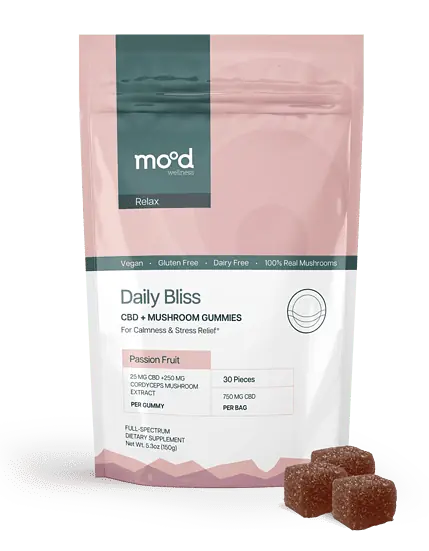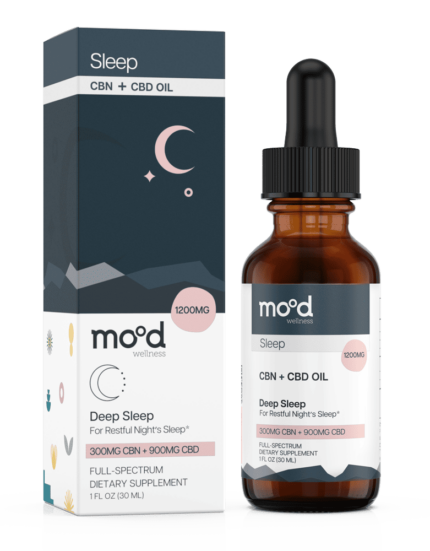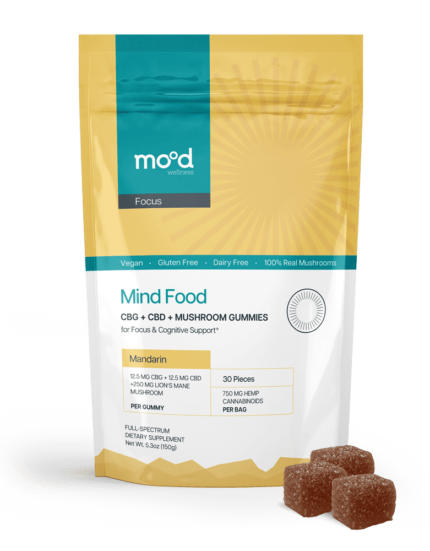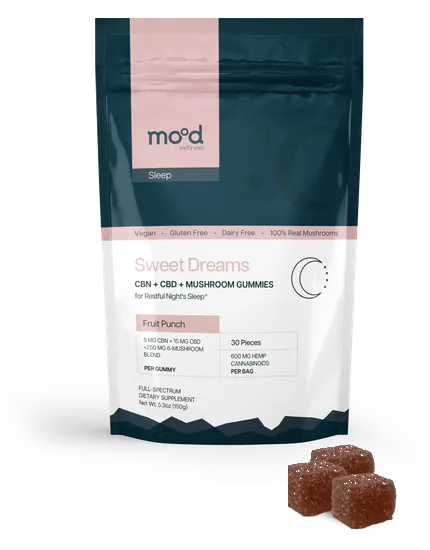

The short answer: choose CBD by what you can verify, not by the loudest benefit claim. A credible product tells you the CBD amount per serving, identifies its spectrum and ingredients, and links the exact batch to an independent laboratory report covering potency and relevant contaminants. Format and flavor are preferences. Traceability, label clarity and safety are requirements.
Start with the decision you actually need to make
“What is the best CBD?” is too broad to produce a useful answer. The better question is: which product fits my practical constraints and gives me enough information to evaluate it? A beginner who wants precise, adjustable servings has a different decision from someone who prioritizes portability. A competitive athlete or employee subject to testing has a different risk calculation from someone who is comfortable with trace THC.
Write down these four things first
- 01 · RouteSwallowed, held under the tongue, or applied to intact skin?
- 02 · ControlDo you want an adjustable amount or a premeasured serving?
- 03 · THC constraintAre you sensitive to THC or subject to drug testing?
- 04 · Safety contextDo you take medication, use alcohol or sedatives, drive for work, or have a relevant health concern?
This prevents a common mistake: choosing a product for a promised outcome before checking whether its format, composition and risk profile suit you. CBD is not a substitute for diagnosis or proven treatment, and nonprescription products are not FDA-approved to treat disease.
Choose the format by precision and convenience
No format is automatically “stronger” or “better.” Different routes change how precisely you can measure a serving and how consistently the product fits a routine. Timing varies with the formulation, food, amount and individual, so fixed onset promises should be treated as rough marketing estimates rather than guarantees.

| Format | Useful when | Main trade-off | What to verify |
|---|---|---|---|
| Oil or tincture | You want to adjust the amount in small steps | Requires dropper math; flavor and dropper markings vary | mg/mL, bottle volume and marked dropper volume |
| Gummy or capsule | You value portability and a premeasured serving | Less flexible; digestion adds variability | mg CBD per piece and pieces per serving |
| Topical | You want application to a specific area of intact skin | Do not infer whole-body effects from an oral study | Total CBD, container size, full ingredient list and skin warnings |
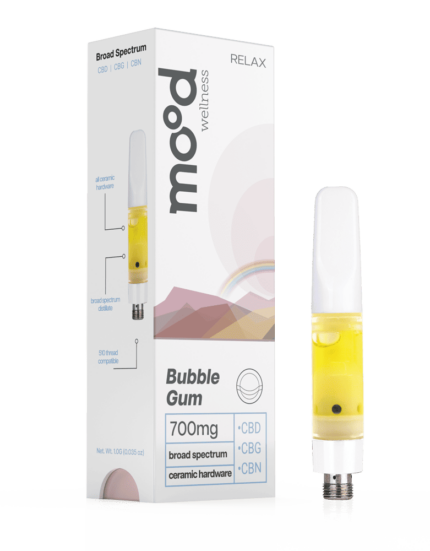
| Vape | You are specifically evaluating inhaled delivery | Distinct lung and hardware risks; not a beginner default | Ingredients, emissions/hardware information and jurisdiction rules |
Avoid translating an oral study directly into a claim about a cream, or a prescription-CBD dose into a gummy recommendation. Route and formulation are part of the evidence, not packaging details.
Choose full-spectrum, broad-spectrum or isolate
These terms describe composition, not guaranteed effectiveness. The proposed entourage effect is a research hypothesis; a “full-spectrum” label does not prove that a product will outperform isolate for you.
| Type | Expected composition | THC consideration | Best verification question |
|---|---|---|---|
| Full-spectrum | CBD plus other hemp constituents, usually including trace THC | May expose you to THC and create drug-test risk | Does the batch COA show the cannabinoid profile and legal THC level? |
| Broad-spectrum | CBD plus selected additional compounds, with THC reduced or removed | “THC-free” is not an absolute drug-test guarantee | What do ND and the lab’s detection limit mean on this report? |
| Isolate | Primarily purified CBD | Lower expected THC exposure, but verify the batch | Does the report show CBD identity/potency and no detected THC? |
If a drug test could affect your work, sport or legal status: the safest buying assumption is that no consumer CBD product can promise zero risk. “ND” means not detected above a method’s reporting threshold; it does not mean a metaphysical zero.
Read the label without being fooled by the big number
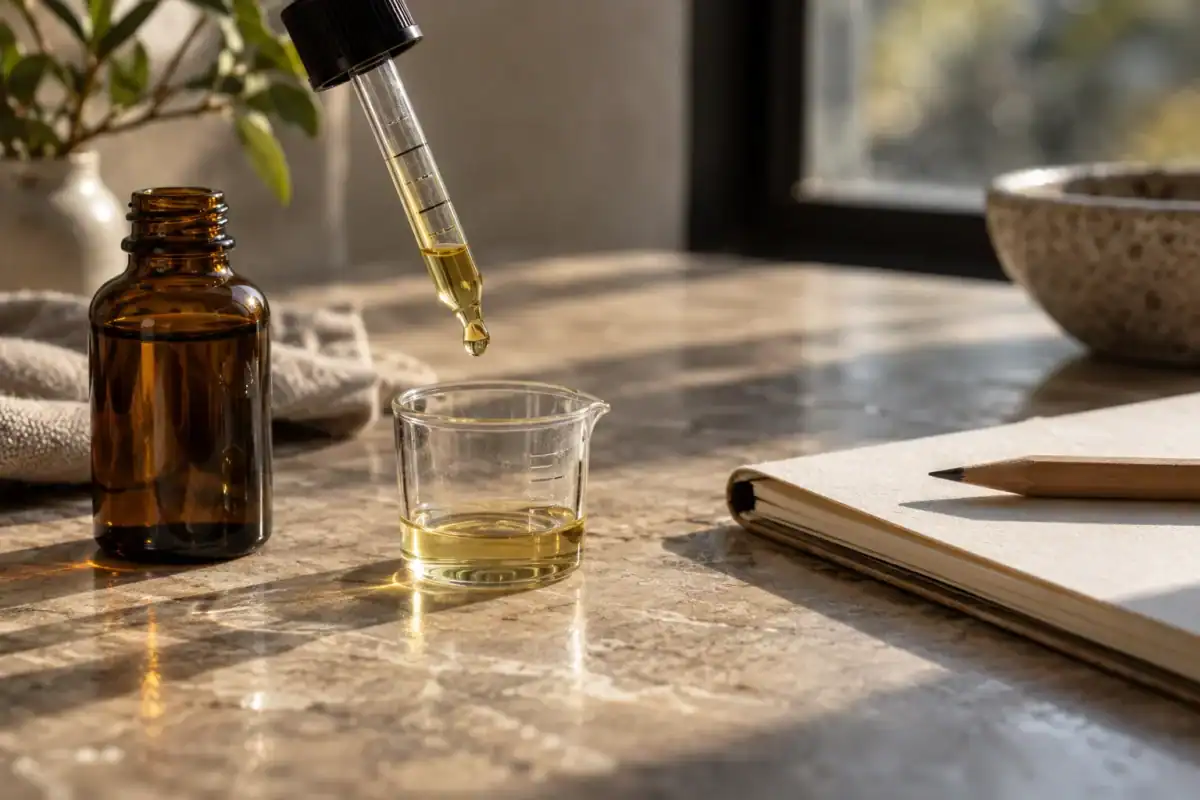
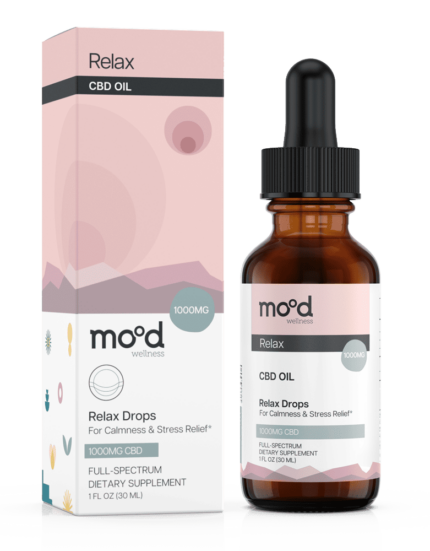
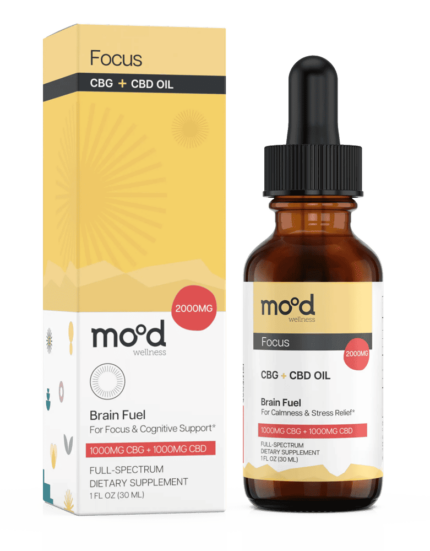
The front may say “1,000 mg CBD,” but that often describes the entire container. What you use is a serving. Look for three numbers: total CBD, container volume or piece count, and CBD per mL or per piece.

Oil example
A 30 mL bottle containing 900 mg CBD has 30 mg CBD per mL:
900 mg ÷ 30 mL = 30 mg CBD per mL
If the marked dropper volume is 0.5 mL, that volume contains 15 mg. Do not assume every “dropper” holds 1 mL; use the actual markings and product instructions.
Gummy example
A jar labeled 600 mg CBD with 30 gummies contains 20 mg per gummy, assuming the label total and piece count are accurate:
600 mg ÷ 30 pieces = 20 mg CBD per gummy
Then verify that the batch COA reports results in units you can reconcile. A result in mg/g cannot always be compared directly with a label in mg/mL without density or sample-weight information.
Label checklist: identity, net quantity, CBD per serving, servings per container, spectrum, full ingredients, allergen information, lot/batch number, date, storage instructions, manufacturer contact and a usable COA path.
How to verify a CBD COA step by step
A certificate of analysis is useful only when it belongs to the product in your hand and tests what you think it tests. A generic “lab tested” badge, a report for raw extract, or a potency-only page is not the same as a finished-product safety review.
-
Match the product and batch
Compare the product name, sample description and lot number with the package. If the site hosts one old report for every product, you cannot verify your batch.
-
Check the date and laboratory
Look for the analysis date, lab identity and accreditation scope. ISO/IEC 17025 is the international competence standard for testing laboratories, but accreditation alone does not mean every possible analyte was tested.
-
Read the potency panel
Find CBD, THC and other reported cannabinoids. Compare the units carefully with the label. Note whether the report lists neutral cannabinoids, acidic forms or a calculated “total.”
-
Read the abbreviations
ND generally means not detected above the reporting threshold. LOD is the limit of detection; LOQ is the limit of quantitation. “Pass” should have a stated limit or specification behind it.
-
Find the contaminant panels
Depending on product type and jurisdiction, look for pesticides, heavy metals, residual solvents, microbes, mycotoxins and other relevant screens. Each panel should identify results and limits-not merely repeat “passed.”
-
Ask what was actually sampled
The strongest match is a finished product from the named batch. A report for bulk hemp extract does not verify everything added or introduced during final manufacturing.
Why be this specific? Research has repeatedly found cannabinoid-label discrepancies in consumer products. That does not mean every product is inaccurate. It means label verification is a rational buying step, not needless suspicion.
Which quality claims matter-and which need proof?
Marketing language can be a useful starting point, but each claim needs a concrete way to verify it.

Hemp source and farming
Traceable sourcing is useful. “Organic,” “natural” and “grown in the USA” are not interchangeable, and self-written organic language is not the same as certification. The practical consumer protection is testing the relevant material and finished batch.
Extraction method
CO2 and food-grade ethanol can both be used in controlled processes. Check residual-solvent results and manufacturing controls instead of ranking products by one process word.
cGMP and certifications
Ask who audited the facility, what standard was used, which facility and products are covered, and whether the certificate is current. A logo without a verifiable scope has limited value.
Botanicals and “nano” claims
Check the amount of each active ingredient, evidence for the actual formulation and allergen risks. “Water soluble,” “liposomal” or “nano” does not by itself prove a meaningful advantage.
Compare price per verified milligram
Sticker price is a poor comparison when bottles contain different CBD totals. Use cost per labeled milligram as a first pass:
Simple formulaProduct price ÷ total labeled CBD mg = cost per mg
Worked example
A $60 bottle with 1,200 mg costs $0.05 per labeled mg. A $35 bottle with 500 mg costs $0.07 per labeled mg.
This does not make the first product “better”; it only normalizes one part of the price. Next check whether the COA supports the label and whether both products include equivalent testing, ingredients, servings, return terms and shipping.
CBD buying red flags
One red flag may be enough to pause the purchase. Several together are a clear reason to choose another product.

- Disease-treatment, cure or guaranteed-result claims.
- No batch number, accessible COA or matching report.
- A potency report presented as full contaminant testing.
- A large front-label number with no CBD per serving.
- “Hemp oil” without an explicit CBD amount.
- “THC-free” without detection limits or a batch result.
- A proprietary blend that hides active quantities.
- Reviews or high price used as substitutes for evidence.
- No ingredients, manufacturer contact or safety language.
Two-minute in-store test
Scan the QR code. Match the lot. Check the report date. Find CBD and THC. Find contaminant panels. Calculate CBD per serving. If any step cannot be completed, you have a concrete reason to choose another product.
Run the safety gate before the checkout
The FDA and NCCIH warn that CBD can cause side effects and interact with medications. Reported concerns include drowsiness, gastrointestinal symptoms, liver effects and drug interactions. Risk depends on the person, amount, formulation and other substances used.
Talk with a qualified clinician or pharmacist before using CBD if you take prescription or nonprescription medication, are pregnant or breastfeeding, have liver concerns, are preparing for surgery, or are considering CBD for a symptom that needs diagnosis. Avoid driving or operating machinery until you know how a product affects you. Combining CBD with alcohol or other sedating substances may increase drowsiness.
Keep gummies and other appealing formats locked away from children and pets. Follow the package storage instructions. If the smell, texture, seal or appearance changes unexpectedly, do not use the product merely because it is within a printed date.
For practical use after a product passes these checks, continue to our how to use CBD and CBD dosage guide. Those pages should supplement-not replace-personal medical advice.
How Mood Makes CBD Quality Easier to Check
A good buying decision starts with information you can verify. Every Mood Wellness product page clearly identifies the format, cannabinoid spectrum, ingredients and amount per serving, so you can compare products using the same criteria covered throughout this guide.
Before choosing, review our lab results and process standards. Match the report to the product and batch, confirm the cannabinoid amounts, and check that the formula fits your preferences and THC considerations. When you are ready, the Mood shop lets you compare products by format, mood and key ingredients.

Ready to compare products?
Start with your preferred format and THC considerations, then review the product details and available lab report.
CBD buyer’s guide FAQ
What should I check first when buying CBD?
First confirm the format and THC profile fit your constraints. Then check CBD per serving and match the package lot number to a current, independent COA. Verify potency and relevant contaminant panels before comparing price.
Does “third-party tested” mean a CBD product is safe?
Not by itself. Check which batch and sample were tested, which panels were run, the laboratory and date, the reported limits and the actual results. A potency-only test does not establish the absence of every contaminant.
Is full-spectrum CBD better than isolate?
Not universally. Full-spectrum contains a wider range of hemp compounds and usually trace THC; isolate is primarily CBD. The best fit depends on preferences, THC sensitivity, drug-testing risk and what the batch report confirms. “Full-spectrum” is not proof of superior results.
How do I know how much CBD is in one serving?
For an oil, divide total CBD by total milliliters to calculate mg/mL, then multiply by the measured serving volume. For gummies or capsules, divide total CBD by the number of pieces if the label does not already state mg per piece. Confirm the label against the COA.
What does ND mean on a CBD lab report?
ND normally means the laboratory did not detect the compound above its stated reporting threshold. It does not always mean absolute zero. Look for the method’s LOD or LOQ and ask the lab or manufacturer if the report is unclear.
Can CBD cause a positive drug test?
It can. Full-spectrum products may contain THC, and even products marketed as THC-free can create risk through trace amounts, accumulation or labeling error. If testing has serious consequences, do not rely on a marketing guarantee.
Sources and further reading
- U.S. FDA: What You Need to Know About Products Containing Cannabis or CBD.
- NCCIH: Cannabis and Cannabinoids-What You Need to Know.
- ISO/IEC 17025:2017: competence of testing and calibration laboratories.
- Spindle et al. Cannabinoid Content and Label Accuracy of Hemp-Derived Topical Products. JAMA Network Open. 2022.
- Product labeling accuracy and contamination analysis of commercially available cannabidiol product samples.