Evidence guide
CBD Benefits: What the Evidence Actually Shows
CBD offers a non-intoxicating way to support calm, evening relaxation and everyday physical comfort. See what the research says, then choose a format that fits naturally into your routine.
Non-intoxicating · Clear serving information · Batch reports available

Short answer: The potential benefits of CBD most relevant to everyday wellness are a calmer response to stress, support for evening relaxation, improved physical comfort and a more settled recovery routine. Human research provides encouraging signals in these areas, although results vary with the product, serving size and person. CBD also has a firmly established medical role in one purified prescription medicine for specific seizure disorders. Other uses, including skin comfort, digestive wellness, craving and metabolic health, are active areas of research.
On this page
1clearly established medical use, involving purified prescription CBD for specific seizure disorders
3frequently discussed areas with meaningful human research but incomplete or inconsistent conclusions
8additional benefit categories where evidence remains early, indirect or insufficient for a treatment claim
4checks before use: suitability, medication interactions, serving information and a batch-matched COA
Choose by routine
Where CBD may fit into everyday wellness
Most people are not looking for a medical promise. They want a routine that helps them feel more settled, sleep more comfortably or recover from a demanding day. CBD is appealing because it is non-intoxicating and available in formats that make a consistent routine easier to build.
Research into CBD and the stress response suggests a potential role in supporting calm during demanding moments, without the THC-like high.
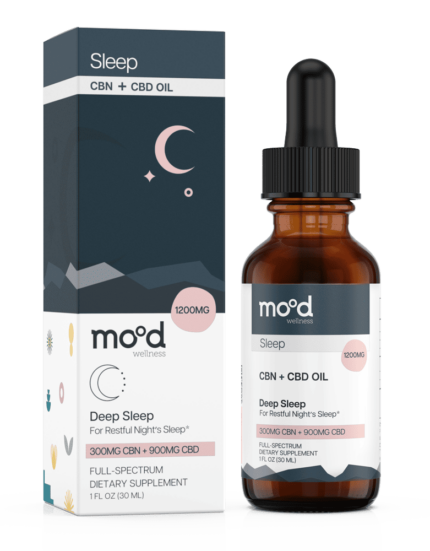
CBD may support evening relaxation when an active mind or physical tension makes it harder to settle into a consistent sleep routine.
CBD is being studied in relation to physical comfort, inflammatory signaling and recovery perception, making it a popular addition to post-activity routines.
Choose a format
Oil or gummies?
The best format is usually the one you can use consistently and measure clearly.
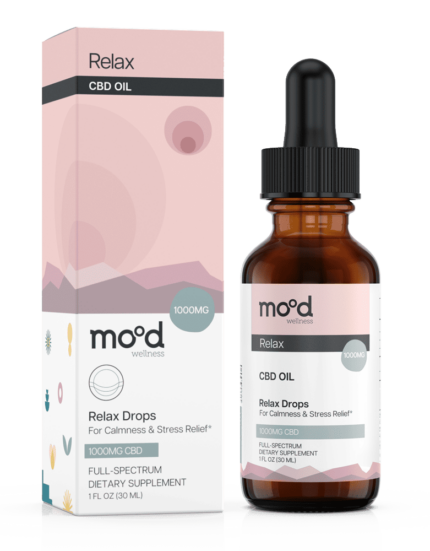
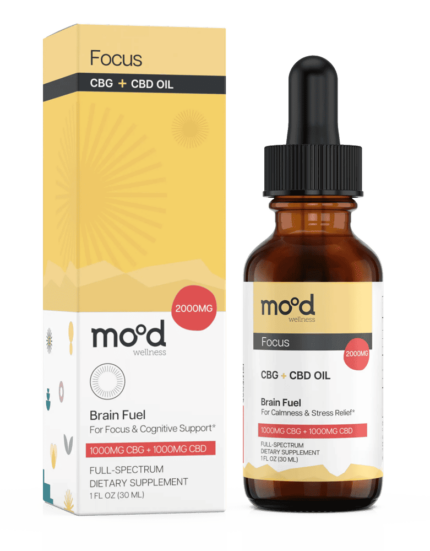
A measured dropper makes it easier to adjust the amount gradually and keep the formula simple.
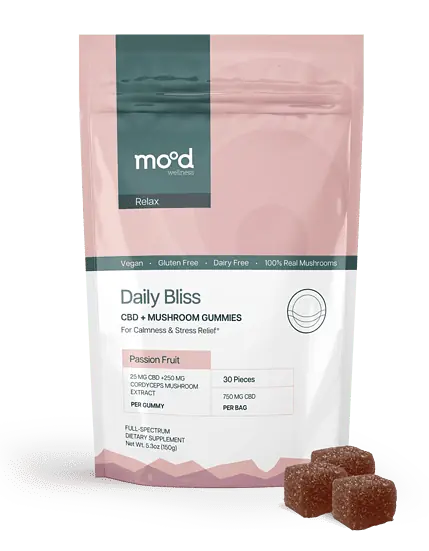
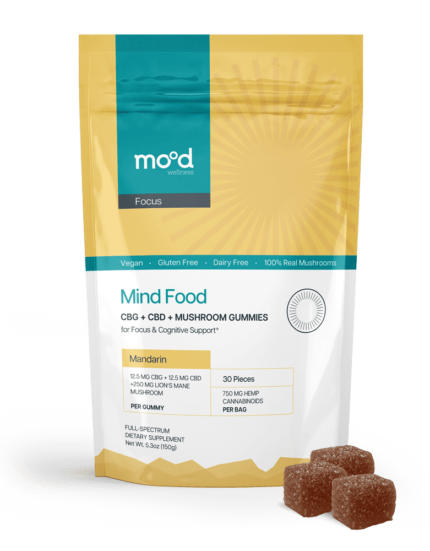
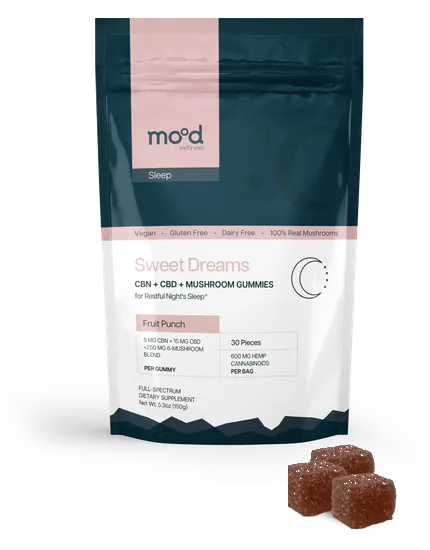
Each gummy provides a defined serving in a portable format that requires no measuring.

Find your formula
Choose the benefit, then compare the label
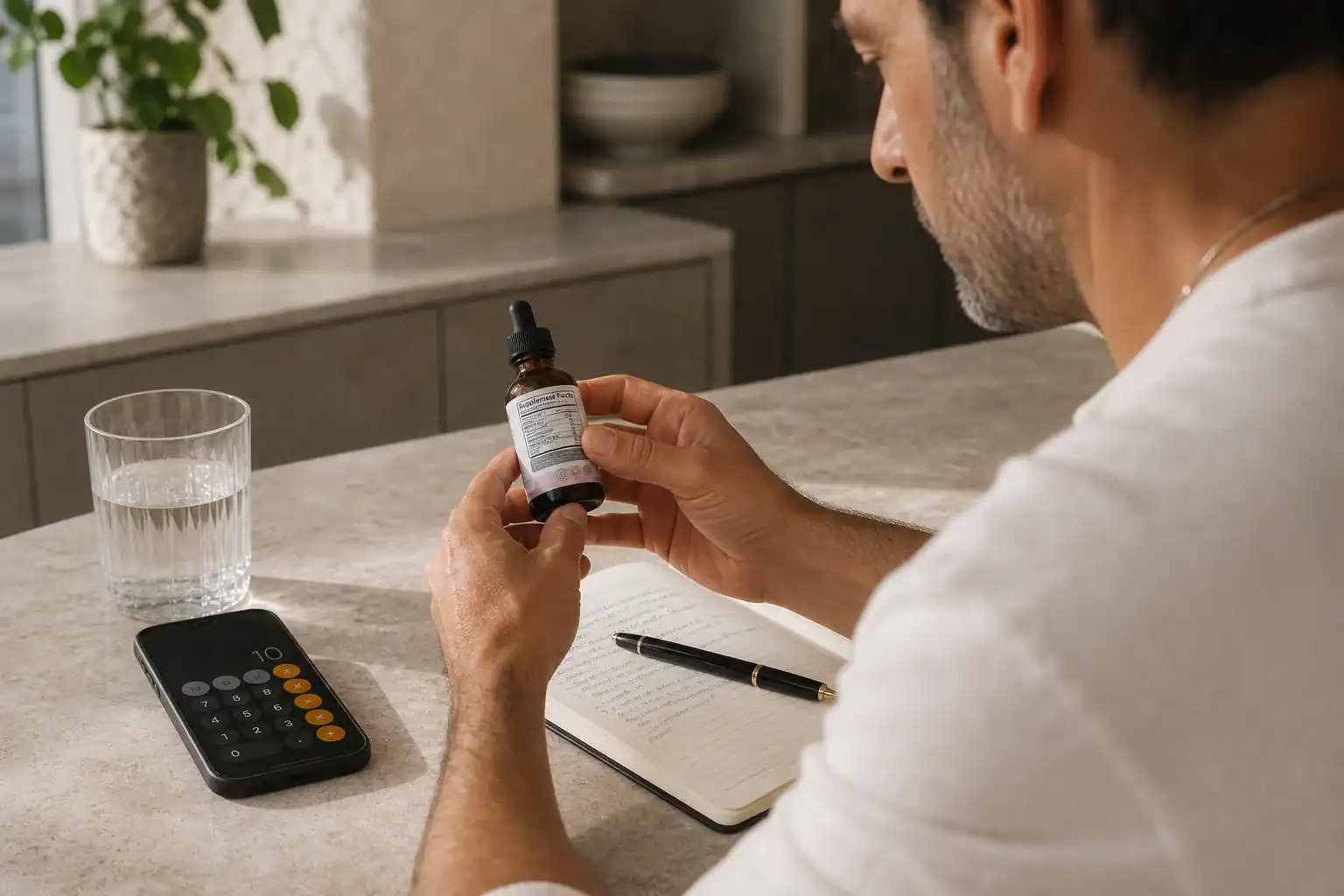
Start with the routine you want to support. Then compare the format, cannabinoids, amount per serving and current batch report.
01 · Read the claim correctly
Not every CBD benefit has the same level of evidence
A cell study can identify a possible mechanism. An animal study can show what deserves further investigation. A controlled human trial is needed to learn whether a defined product produces a meaningful outcome in people.
Purified prescription cannabidiol has regulatory approval for seizures associated with Lennox-Gastaut syndrome, Dravet syndrome and tuberous sclerosis complex. This is medical treatment under clinical supervision. FDA
Human studies report useful signals in these areas. Results vary because researchers use different populations, servings, formats and outcome measures.
These potential benefits are scientifically plausible and increasingly studied. Much of the evidence is still based on laboratory work, animals or small human trials.
Evidence for cannabinoids is not automatically evidence for CBD
Many reviews combine studies of THC, CBD, nabiximols and whole cannabis. If the tested preparation contains THC, its result cannot be assigned to CBD alone.
02 · CBD benefits at a glance
What does CBD help with?
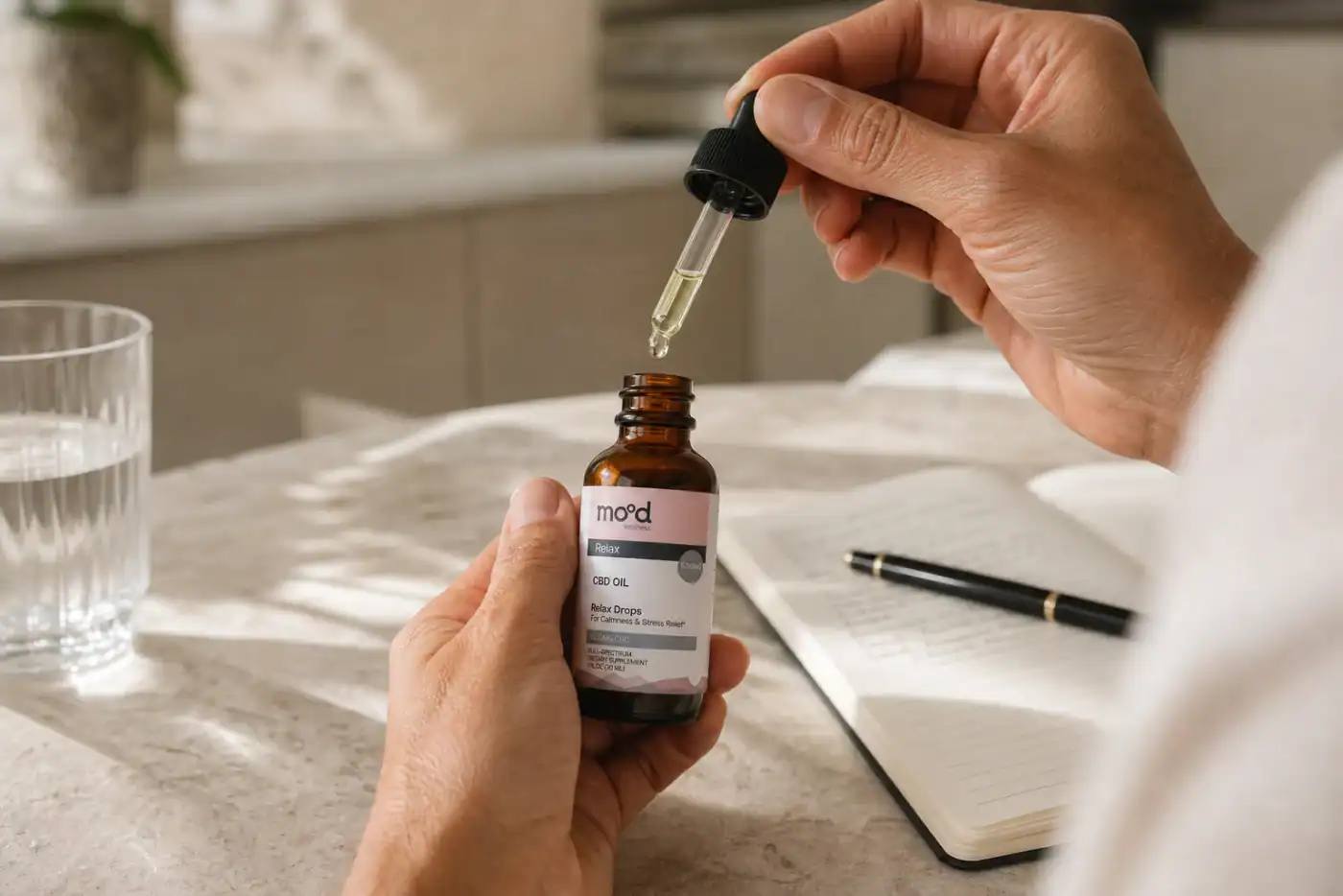
CBD is being studied for several potential benefits, including a calmer response to stress, better sleep, physical comfort and post-exercise recovery. The clearest medical benefit belongs to a prescription CBD medicine used for specific seizure disorders. For everyday wellness uses, the table below explains where results are encouraging, where they are mixed and what each finding may mean in practice.
| Question | Evidence level | What the research supports | What it does not prove |
|---|---|---|---|
| Specific rare seizures | Established | Purified prescription CBD can reduce seizures in defined disorders as part of medical care. | That a retail oil or gummy treats epilepsy. |
| Anxiety | Promising, limited | Small human studies and reviews justify more research, especially for situational anxiety. | That CBD is a first-line treatment for an anxiety disorder. |
| Sleep | Mixed | Some people and studies report improvement, while controlled evidence remains inconsistent. | That CBD reliably treats insomnia or works as a sedative. |
| Pain | Mixed | Cannabinoid medicines may produce small benefits for certain pain outcomes. | That CBD alone, at retail doses, relieves every type of pain. |
| Muscle recovery | Early | Mechanistic and small-study signals justify investigation. | Faster tissue repair or reliable post-workout recovery. |
| Skin conditions | Early | Laboratory work and small topical studies support continued research into inflammation, itch and sebum production. | That a cosmetic containing CBD treats acne, eczema, psoriasis, wounds or skin aging. |
| Nausea and appetite | Mostly indirect | The endocannabinoid system participates in nausea and appetite, but stronger clinical evidence often concerns THC-containing medicines. | That CBD alone reliably prevents vomiting, restores appetite or replaces prescribed anti-nausea treatment. |
| Gut and inflammatory bowel disease | Limited | Preclinical findings identify plausible anti-inflammatory pathways; small human studies have not established remission or disease control. | That retail CBD treats Crohn’s disease, ulcerative colitis, IBS or unexplained abdominal symptoms. |
| Addiction and substance use | Promising, preliminary | Small studies have explored cue-induced craving, anxiety and cannabis-use outcomes. | That CBD is an approved treatment for nicotine, opioid, alcohol or cannabis-use disorder. |
| Psychosis, mood and cognition | Investigational | High-dose pharmaceutical CBD has been studied as an adjunct in small psychiatric trials. | That consumer CBD treats depression, psychosis, ADHD, dementia or improves memory and focus. |
| Heart, blood pressure and metabolism | Insufficient | Small acute studies and preclinical models report physiological effects worth investigating. | That CBD prevents heart disease, lowers blood pressure long term, controls diabetes or supports weight loss. |
03 · Benefit by benefit
Where the research is strongest, mixed or still early
Seizure disorders
Potential benefit: fewer seizures in specific rare epilepsy syndromes. This is the strongest clinical evidence for CBD and applies to Epidiolex, a purified prescription medicine used with medical supervision, defined dosing and liver monitoring.
Evidence in plain English: established for one prescription product and specific diagnoses.
Anxiety and everyday stress
Potential benefit: a calmer response during stressful situations. Small human trials and reviews have reported lower anxiety scores in some settings, including simulated public speaking. The most useful interpretation is that CBD may influence the stress response, while the best format, serving and pattern of use remain unsettled. review
Evidence in plain English: encouraging human research, with results that vary by dose and type of anxiety.
Sleep and evening calm
Potential benefit: easier settling at night or better perceived sleep when stress or discomfort is part of the problem. CBD is not a conventional sleeping pill, and studies do not show the same result for everyone. Timing, serving size, THC, CBN, melatonin and the surrounding bedtime routine can all change the experience. human study
Evidence in plain English: mixed but relevant, especially when the reason for poor sleep is clearly defined.
Physical comfort and pain research
Potential benefit: improved comfort in some pain settings. Cannabinoid medicines have produced small benefits in certain chronic and neuropathic pain studies. Many of those medicines contain both CBD and THC, so the result cannot automatically be assigned to CBD oil alone. NCCIH
Evidence in plain English: meaningful cannabinoid research, but less certainty for CBD-only consumer products.
Exercise and recovery
Potential benefit: support for post-exercise comfort, rest and recovery perception. Researchers are interested in CBD because of its effects on inflammatory and stress-related signaling. Human studies have not yet identified a reliable improvement in muscle repair or performance, so sleep, hydration, nutrition and training load remain the foundation.
Evidence in plain English: promising wellness use, with human performance data still developing.
Explore 7 emerging CBD benefitsSkin, digestion, craving, cognition and more
Skin comfort and topical use
Potential benefit: support for skin comfort and balanced oil production. CBD has influenced sebum and inflammatory signaling in laboratory work, and early topical studies provide a reason for further research. Real-world results depend on the complete formula, CBD concentration, stability and ability to reach the intended layer of skin.
Evidence in plain English: an interesting topical ingredient, with finished-product research still limited.
Nausea and appetite
Potential benefit under study: influence on nausea and appetite signaling. The endocannabinoid system is involved in both processes. However, the better-known evidence from medical cannabis often belongs to THC or THC-like medicines rather than CBD alone, and CBD can reduce appetite or upset the digestive system in some people.
Evidence in plain English: biologically relevant, but CBD-only human evidence remains limited.
Digestive comfort and gut signaling
Potential benefit: support for digestive comfort through pathways involved in sensation, movement and immune signaling. Laboratory and animal findings are encouraging, but human studies have not shown consistent control of intestinal inflammation. Feeling more comfortable and changing the course of a bowel disease are different outcomes.
Evidence in plain English: promising mechanisms, with limited proof of a clinical gut benefit.
Craving and substance-use research
Potential benefit under study: a change in cue-related craving, stress or withdrawal experiences. Small studies involving opioids, tobacco and cannabis have produced encouraging signals. Researchers still need larger trials to understand duration, serving size and how CBD might fit alongside established behavioral and medical care.
Evidence in plain English: one of the more interesting emerging uses, but not a stand-alone recovery program.
Mood, mental clarity and cognition
Potential benefit under study: changes in stress-related thinking and selected psychiatric symptoms. High-dose pharmaceutical CBD has been examined in psychosis research, while evidence for everyday focus, memory and mood is much earlier. Alertness matters because some people feel calm while others experience fatigue or drowsiness.
Evidence in plain English: active research, without a dependable focus or memory benefit yet.
Stress response and cardiovascular signals
Potential benefit under study: a more settled cardiovascular response during short-term stress. Small experiments have measured blood pressure, heart rate and blood flow after CBD. These studies are useful for understanding physiology, but they do not establish long-term heart protection.
Evidence in plain English: early human signals that require longer and larger studies.
Metabolic balance
Potential benefit under study: influence on appetite, inflammatory signaling and metabolic pathways. Most weight, glucose and insulin claims come from cellular, animal or observational research. Human trials have not established a predictable effect on body weight or blood-sugar control.
Evidence in plain English: an exploratory research area, not a demonstrated weight-management result.
CBD for anxiety and stress: where the encouraging results come fromRead the research
A frequently cited line of research examines anxiety during a simulated public-speaking task. Participants receive CBD or a placebo before a stressful event, then researchers measure self-reported anxiety and physical responses. Several studies have reported a calmer response in the CBD group. This provides a useful human signal that CBD can influence how some people respond to short-term stress.
The serving is important. Some experiments use several hundred milligrams of purified CBD at one time, far more than a common retail serving. Larger trials are needed to identify the smallest useful serving, whether benefits continue with regular use and which anxiety patterns are most likely to respond.
For a wellness reader, the practical takeaway is simple: CBD may be relevant when the goal is a calmer response to a defined stressful situation. Ongoing anxiety disorders still deserve appropriate professional care, especially when symptoms interfere with daily life.
CBD for sleep: the clearest way to understand the potential benefitRead the research
“Better sleep” can mean falling asleep more easily, waking less often, sleeping longer or feeling more refreshed the next day. CBD for sleep appears most relevant when stress or physical discomfort is part of what keeps a person unsettled. In that situation, a calmer evening may support a smoother transition into sleep even though CBD is not a conventional sedative.
Research results are mixed because studies measure different sleep outcomes and use different servings and formats. The most useful personal question is therefore specific: did it take less time to settle, were there fewer awakenings, or was next-day alertness better? Tracking one outcome for several nights provides clearer information than asking whether sleep was simply “good.”
Full-spectrum products may contain THC, while sleep formulas may also include CBN, melatonin, herbs or mushrooms. Those ingredients can change the experience. Review the complete formula and avoid driving or hazardous work if drowsiness appears.
CBD and pain: the product in the trial matters more than the headlineRead the research
Pain is not one condition. Neuropathic pain, arthritis, acute injury, migraine and widespread pain have different biology and evidence bases. Reviews often combine them, then combine several cannabinoid preparations as well. This can make a broad headline look more certain than the underlying studies.
Nabiximols is a common example. It is an oromucosal medicine containing both THC and CBD in a defined ratio. If a trial reports improvement with nabiximols, the result belongs to that medicine and population. It does not prove that CBD oil alone produces the same effect. Likewise, an animal study in which topical CBD reduced a pain behavior is not a clinical trial of a consumer cream.
Placebo-controlled research on pure CBD has not produced a consistent general pain benefit. That does not prove CBD can never affect a specific pain outcome, but it means a responsible guide should avoid the phrase “CBD relieves pain” without qualification. Pain that is new, severe, unexplained or accompanied by weakness, fever or injury warrants medical assessment.
Exercise recovery: inflammation is only one part of adaptationRead the research
Recovery marketing often starts with laboratory observations that CBD can influence inflammatory signaling. That is a hypothesis, not a performance result. Human recovery also depends on training load, muscle damage, carbohydrate and protein intake, hydration, sleep and the time allowed between sessions. Some inflammation is part of normal adaptation, so lowering a marker is not automatically helpful.
A useful recovery trial should measure outcomes people can understand: soreness during movement, return of strength, range of motion, next-session performance and adverse effects. It should also compare CBD with placebo while keeping exercise, food and sleep reasonably consistent. Current human evidence is too small and inconsistent to conclude that CBD repairs tissue, prevents delayed-onset muscle soreness or accelerates training adaptation.
If someone evaluates a routine, the honest outcome is not “less inflammation.” It is a predefined measure such as morning soreness on a 0 to 10 scale or performance in the next planned session. New swelling, inability to bear weight, marked weakness or pain after a significant injury needs assessment rather than supplementation.
Skin: a promising ingredient is not the same as a proven dermatology treatmentRead the research
CBD has shown effects on inflammatory pathways, itch signaling and sebum-producing cells in laboratory research. Topical delivery is also attractive because it may limit whole-body exposure. The difficulty is that a finished cream must release CBD, keep it stable and deliver enough through the outer skin layer. A cell experiment does not answer those formulation questions.
Small studies may report changes in symptoms or skin appearance, but many lack a large placebo group, standardized concentration or long follow-up. Moisturizers, oils and other actives in the base can produce improvement on their own. For that reason, “contains CBD” does not establish treatment of acne, eczema, psoriasis, wounds or aging.
Consumers should review the complete ingredient list, patch-test a new topical product and stop if irritation develops. Painful rash, infection, rapidly changing lesions or persistent symptoms deserve appropriate diagnosis because CBD can mask discomfort without addressing the cause.
Nausea and appetite: much of the familiar evidence belongs to THC, not CBDRead the research
The endocannabinoid system participates in nausea, vomiting and appetite, but cannabinoids are not interchangeable. Some established anti-nausea medicines act like THC, and trials of medical cannabis may combine THC and CBD. Those findings cannot be presented as proof that CBD alone will prevent chemotherapy-related nausea or restore appetite.
Preclinical CBD findings are scientifically interesting, yet human evidence remains limited. Dose may also matter: an effect seen in an animal model or after a pharmaceutical dose may not occur with a consumer serving. CBD can cause diarrhea, appetite reduction, nausea or vomiting in some people, which is the opposite of the advertised benefit.
People receiving cancer treatment should discuss every cannabinoid product with the oncology team because interactions, liver effects and product contamination matter. Repeated vomiting, dehydration, blood, severe pain or unexplained weight loss require medical care.
Gut health: symptom relief and control of inflammation are different outcomesRead the research
Laboratory and animal research suggests CBD can influence intestinal inflammation, motility, sensation and barrier signaling. Human gastrointestinal disease is more complex. In Crohn’s disease or ulcerative colitis, a person can feel less discomfort while inflammation continues, so symptom scores must be considered alongside objective measures such as endoscopy and inflammatory markers.
Small clinical studies have not established CBD as a treatment that induces remission or prevents complications. Evidence for IBS is also inadequate because IBS contains several subtypes and responds strongly to diet, stress, sleep, medication and placebo effects. CBD-induced diarrhea can further confuse the picture.
CBD should not replace prescribed anti-inflammatory or immune-modifying treatment. Rectal bleeding, fever, persistent vomiting, dehydration, nocturnal symptoms or unexplained weight loss are reasons to seek evaluation rather than run a consumer-product experiment.
Addiction: early signals do not make CBD a detox treatmentRead the research
Researchers have tested CBD for cue-induced craving, anxiety and withdrawal-related symptoms because stress and learned cues can contribute to relapse. Some small trials have reported favorable changes, including effects that lasted beyond a single administration. The samples, substances studied, doses and treatment settings are too varied to define a routine clinical role.
Substance-use disorders include medical, behavioral and social risks that a supplement cannot address alone. Withdrawal from alcohol or sedatives can be dangerous, and opioid-use disorder has evidence-based medicines that reduce mortality. CBD is not a substitute for supervised withdrawal, psychotherapy, harm-reduction services or approved medication.
Psychosis, mood and cognition: high-dose clinical research does not validate focus gummiesRead the research
CBD has been studied as an add-on in psychosis because its pharmacology differs from THC, which can worsen psychotic symptoms in susceptible people. Some trials suggest possible benefit at high pharmaceutical doses, while others do not show a clear advantage. This remains specialist research and does not support self-treatment or replacing antipsychotic medication.
Evidence for depression, bipolar disorder, ADHD, dementia prevention, memory and everyday focus is weaker. A short-term change on a brain scan or cognitive task cannot demonstrate improved school or work performance, and fatigue or drowsiness may impair it. Full-spectrum products can also contain THC, which introduces a different cognitive and psychiatric risk profile.
Heart and metabolic health: plausible mechanisms are not preventionRead the research
Acute studies have explored blood pressure, heart rate, blood flow and the response to laboratory stress. Preclinical work also examines oxidative stress and inflammation. The number of participants is small, exposure is often brief and findings do not establish fewer heart attacks, strokes or long-term blood-pressure complications.
Weight-loss and diabetes claims are even less secure. Cell, animal and observational associations cannot show that taking CBD causes fat loss, improves insulin sensitivity or lowers blood sugar. Any dizziness, appetite change or interaction with blood-pressure, anticoagulant or diabetes medication can matter more than a speculative metabolic benefit.
Readers should treat cardiovascular or metabolic claims as unproven and continue evidence-based monitoring and care. Chest pain, fainting, neurological symptoms or severe shortness of breath require urgent assessment.

04 · Why the headlines disagree
Four variables can turn “CBD research” into very different experiments
Purified CBD, full-spectrum oil, gummies and THC/CBD medicines have different chemical profiles.
Clinical studies may use hundreds of milligrams, far above a typical retail serving.
Oil, capsules, inhalation and topical use produce different exposure. Meals can change oral absorption.
A lab marker, questionnaire score and diagnosed medical outcome are not interchangeable endpoints.
A benefit can be statistically real but practically small
A study may find a difference between groups without showing a change that people consider meaningful. Sample size, duration, placebo response and missing data also matter. The most useful summary states the size of the effect, who was studied and what product was tested.
Five questions make a CBD study easier to judge
First, ask who participated. Results in healthy volunteers may not predict results in people with a diagnosed disorder, and a study in children with severe epilepsy cannot be generalized to healthy adults. Age, sex, medication use and baseline symptoms can change both benefit and risk.
Second, identify the exact preparation. Look for purified CBD, a full-spectrum extract, a THC/CBD medicine or whole cannabis. Third, check the serving size and schedule. A single 600 mg laboratory dose answers a different question from repeated use of a 15 mg retail serving.
Fourth, examine the comparison group and outcome. A placebo-controlled trial provides stronger evidence than a case series with no control group. An objective measure such as seizure frequency is different from a retrospective rating of general well-being. Finally, check duration and adverse-event reporting. A short trial may detect an immediate effect but cannot establish long-term safety, tolerance or sustained benefit.
This framework also helps with news headlines. If an article says CBD “may help,” trace the statement to the original study and confirm whether the result came from people, animals or cells. Then check whether the tested product resembles the one being discussed. The closer the population, formulation, serving and outcome are to the reader’s real question, the more useful the evidence becomes.
Mechanism explains plausibility, not effectiveness
CBD interacts with a wider signaling network that includes the endocannabinoid system, serotonin receptors, TRPV channels and liver enzymes. Those interactions help researchers form hypotheses. They do not prove that a low-dose retail product produces a specific health outcome. For the mechanism in detail, read how CBD works in the body.

05 · Benefits never replace safety
CBD can cause side effects and change how medicines are processed
Non-intoxicating does not mean biologically inactive. CBD may cause drowsiness, diarrhea, appetite changes and fatigue. Prescription-CBD studies have also identified liver-test abnormalities and clinically important drug interactions. safety review
CBD can affect liver enzymes that process prescription drugs. Blood thinners, antiseizure medicines, immunosuppressants and other narrow-therapeutic-index drugs require particular care.
Full-spectrum products can contain THC, and mislabeled products may contain more than expected. This matters for sensitivity, impairment and drug testing.
Pregnancy, breastfeeding, liver disease, childhood use and combining CBD with alcohol or sedating medicines require professional guidance or avoidance.
Do not stop, replace or change a prescribed treatment because of a CBD article. If you use regular medication, bring the exact product label, intended serving and certificate of analysis to a doctor or pharmacist. See the full guide to CBD and medication interactions.
06 · Product quality changes the question
A study cannot predict the value of a product that is mislabeled
Retail CBD varies in potency, cannabinoid profile and contaminant control. A batch-specific certificate of analysis, or COA, helps verify what the bottle or package contains.
Match the batch number
The COA should correspond to the lot printed on the product, not a generic or expired report.
Check CBD per serving
Separate the total amount in the container from the amount in one measurable serving.
Review THC results
Confirm whether THC was detected and whether the product type matches the label.
Look beyond potency
Review available testing for heavy metals, pesticides, residual solvents and microbial contamination.
For a complete label and laboratory checklist, use the CBD buyer’s guide.
Authentic laboratory document
See what a real COA looks like
This SC Labs report was prepared for Mood Wellness Relax Drops 1000. It shows the tested batch, reporting date and measured cannabinoid profile.
Important: this is a historical example, reported in September 2022 and published on Mood’s lab-results page. Always match the report to the batch number on the product you are considering.

07 · From research to a real product
What this evidence means for a Mood Wellness product
A well-made consumer product can improve consistency and transparency. It cannot inherit the medical evidence of a different prescription formulation.
It is not Epidiolex
A Mood Wellness oil or gummy is not the purified prescription medicine used in epilepsy trials and should not be used as a substitute for seizure treatment.
A consumer serving is not a research dose
Some human experiments use hundreds of milligrams of purified CBD. A smaller retail serving cannot be assumed to produce the same exposure or outcome.
A COA verifies composition, not benefit
Batch testing can support confidence in potency and contaminant control. It cannot prove that the product treats anxiety, insomnia, pain or another condition.
Blended ingredients change attribution
If a formula includes THC, CBN, melatonin, herbs or mushrooms, any experience cannot automatically be credited to CBD alone.
Why this guide uses words such as “support,” “potential” and “under study”
These terms describe a wellness context or summarize research without saying that a consumer product diagnoses, treats, cures, mitigates or prevents disease. They do not mean that FDA has reviewed or approved a claim. Any product statement still needs truthful context and appropriate scientific support.
08 · A practical decision path
How to evaluate whether a CBD routine makes sense
Choose one observable goal. “Feel better” is too broad to evaluate.
Review medications, pregnancy, liver health, THC sensitivity and driving needs.
Check the COA, amount per serving, ingredients and product format.
Use consistent timing and record changes rather than adjusting several variables at once.
Serving size is not a universal medical dose. Product concentration, route, food and individual biology change exposure. Learn how to read a label in the CBD dosage guide and how formats differ in how to use CBD.
09 · Common questions
CBD benefits FAQ
What is the most proven benefit of CBD?
The strongest evidence supports purified prescription CBD for seizures associated with specific rare disorders. This does not establish that over-the-counter CBD products treat seizures.
Does CBD help with anxiety?
CBD for anxiety has produced encouraging results in small human studies, particularly during short-term stressful situations. It may support a calmer stress response for some people. Results vary with the type of anxiety, CBD format and serving used, and ongoing anxiety disorders require appropriate care.
Does CBD improve sleep?
CBD for sleep may be most useful when stress or physical discomfort makes it difficult to settle at night. Some studies and users report easier settling or better perceived sleep, while other studies find little change. Track one outcome, such as time to fall asleep or next-day alertness, to understand the experience more clearly.
What does research say about CBD for pain?
CBD for pain is an active research area. Some cannabinoid medicines support physical comfort in specific chronic or neuropathic pain settings, although many contain THC as well as CBD. Evidence for CBD-only oils is less consistent, so the product tested and type of discomfort matter.
Can CBD make you high?
CBD itself is not intoxicating in the way THC is. However, full-spectrum or mislabeled products may contain THC, so the certificate of analysis and personal sensitivity matter.
Can CBD interact with medication?
Yes. CBD can affect enzymes involved in drug metabolism and may change blood levels of some medicines. People taking regular medication should speak with a doctor or pharmacist before use.
How long does CBD take to work?
There is no single onset time. Route, formulation, food, serving size and individual biology all change absorption. Feeling a change is also not the same as measuring CBD concentration in blood.
How do I know whether a CBD product is trustworthy?
Look for a batch-matched COA, clear CBD amount per serving, THC results, ingredient transparency and available contaminant testing. A QR code is useful only if it opens the correct current report.
Does CBD reduce inflammation?
CBD changes inflammatory signaling in cell and animal research, but this does not prove a meaningful anti-inflammatory benefit in people. Human trials must show improvement in symptoms, function or validated disease markers with a defined CBD product. A general claim that consumer CBD “reduces inflammation” is currently too broad.
Does topical CBD help acne, eczema or psoriasis?
Early laboratory and small topical studies justify more research, but there is not enough controlled evidence to treat these conditions as proven benefits. The base formula, concentration, stability and skin penetration all affect the result. Persistent or severe skin symptoms need diagnosis rather than reliance on a cosmetic claim.
Can CBD help nausea or appetite?
Evidence commonly associated with medical cannabis often involves THC or THC-like medicines, not CBD alone. Human evidence for CBD as an anti-nausea or appetite treatment is limited, and CBD can sometimes cause nausea, diarrhea or reduced appetite.
Can CBD treat Crohn’s disease, ulcerative colitis or IBS?
No reliable evidence shows that retail CBD controls intestinal inflammation or induces remission. Symptom improvement would not necessarily mean that disease activity improved. CBD may also cause diarrhea and interact with prescribed treatment.
Can CBD help with addiction or withdrawal?
Small studies have explored craving and anxiety in several substance-use conditions, but CBD is not an approved detoxification or relapse-prevention treatment. Alcohol and sedative withdrawal can be medically dangerous, and opioid-use disorder has treatments proven to reduce mortality.
Does CBD improve focus, memory or mood?
There is no solid clinical evidence that consumer CBD improves everyday focus, memory or depression. High-dose pharmaceutical research in psychosis is a separate question and remains investigational. Drowsiness can impair concentration, while THC in full-spectrum products may affect memory and attention.
Does CBD lower blood pressure or support weight loss?
Small acute studies and preclinical models cannot establish long-term cardiovascular protection, diabetes control or weight loss. CBD may interact with cardiovascular or diabetes medicines, so speculative benefits should not replace monitoring or prescribed care.
10 · Scientific sources
Sources and further reading
- FDA: What You Need to Know About Products Containing Cannabis or CBD
- NCCIH: Cannabis, Marijuana and Cannabinoids
- Lack of evidence for the effectiveness or safety of over-the-counter cannabidiol products
- A review of human studies assessing CBD therapeutic actions and potential
- Therapeutic efficacy of CBD: clinical trials and human laboratory studies
- Cannabidiol in anxiety and sleep: a large case series
- 2024 systematic review and meta-analysis of CBD in anxiety disorders
- 2024 systematic review of randomized CBD trials for anxiety
- Systematic review and meta-analysis of adverse effects in randomized CBD trials
- FDA: randomized research into CBD safety
- Mayo Clinic: CBD safety and effectiveness
Continue learning
Build the full picture
This article is for education and does not diagnose, treat or replace individual medical advice. Statements about potential wellness support have not been evaluated by the FDA and are not intended to diagnose, treat, cure or prevent any disease. Seek professional guidance for symptoms, medical conditions, pregnancy, breastfeeding, liver concerns or medication use.