The label tells you what is in the product
Total CBD, bottle volume, CBD per mL, and CBD per gummy are measurable product facts.
There is no single CBD dosage that fits everyone. This guide helps you compare community-reported ranges, calculate CBD oil by mg per mL, and translate a product label into a measurable amount-without presenting an estimate as a prescription.
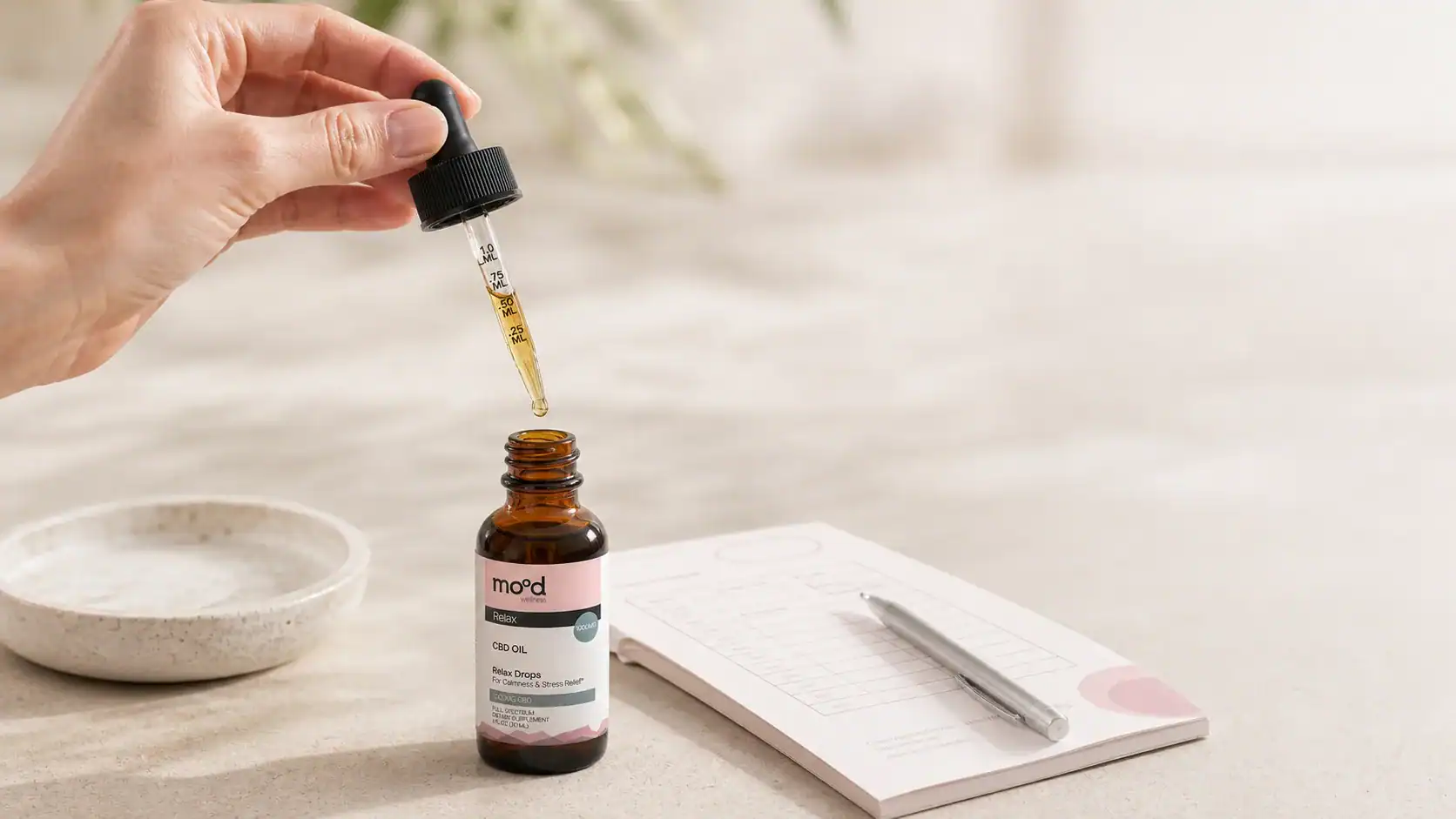
Before asking “how much CBD should I take?”, separate the amount in the package from the amount in one serving and from the amount your body ultimately absorbs.
Total CBD, bottle volume, CBD per mL, and CBD per gummy are measurable product facts.
A dropper or gummy is a format. Milligrams of CBD are the common unit that makes a fair comparison possible.
Route, food, formulation, and individual physiology can change how much CBD reaches circulation.
Enter a weight and choose the low, common, or high comparison band. The calculator converts that range into mL and approximate drops for your bottle. It is a crowd-informed orientation tool-not a personalized medical recommendation.
Low comparison band for this weight group.
Total CBD is the amount in the entire package. Concentration tells you how much CBD is present in a unit of volume, usually mg per mL. A serving is the amount actually measured from that product.
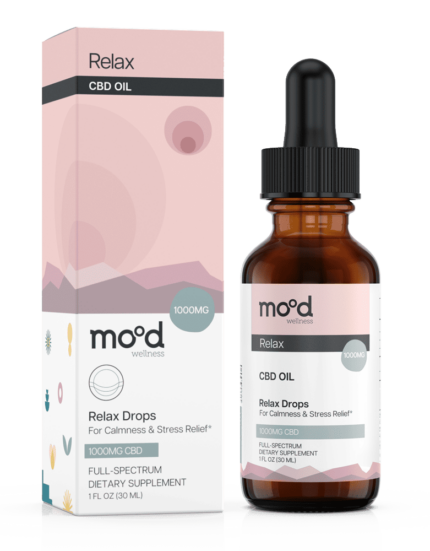
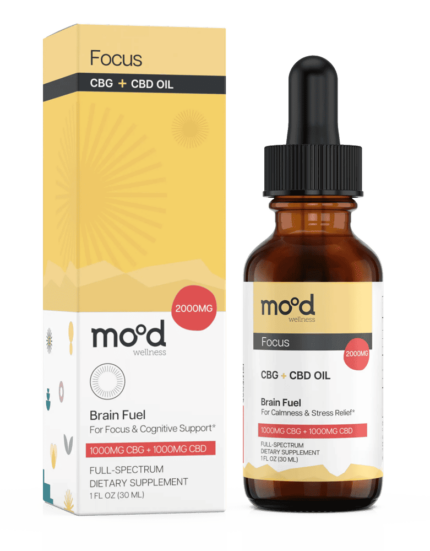
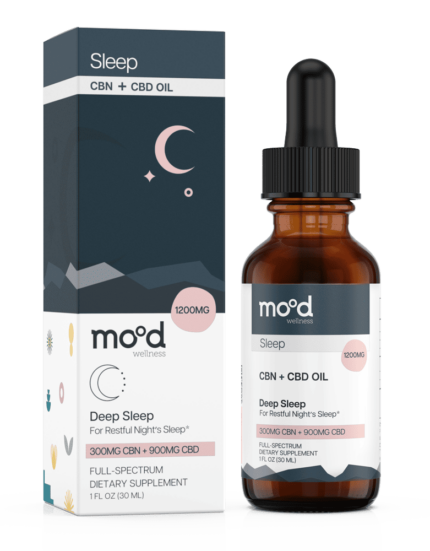
A 1,000 mg bottle does not deliver 1,000 mg per dropper. In a 30 mL bottle, it contains about 33.3 mg per mL. A marked 0.5 mL serving contains about 16.7 mg CBD.
Use the word “dosage” carefully here: the calculation tells you how much CBD is in a measured volume. It does not decide which amount is medically appropriate for you.
Bioavailability is the share of a dose that reaches systemic circulation. The number on the label is the amount used, not necessarily the amount that reaches the bloodstream. Human studies report wide ranges because formulation, food, route, and study design differ.

The same 0.5 mL line can contain different amounts of CBD in different oils. You need the bottle concentration before the dropper mark becomes meaningful.
In the U.S., the large milligram number usually describes total CBD in the bottle. Bottle size determines the concentration. Two 1,000 mg oils can provide different CBD per dropper when their volumes differ.
Always confirm whether the label lists total CBD per container or CBD per serving. The Supplement Facts panel and certificate of analysis should make the unit clear.

Oil gives you adjustable volume. Gummies and capsules give you a premeasured unit. The best format for accurate tracking is the one whose label you can understand and whose serving you can repeat consistently.
Check mg per mL and use the marked dropper. Oil makes smaller adjustments possible, but drop counting is approximate.
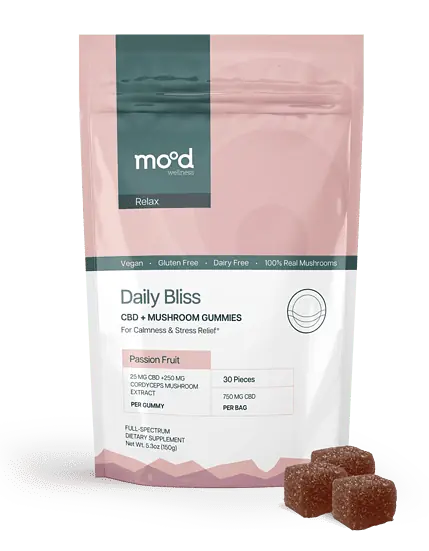
Check mg per gummy. If you split a gummy, the CBD may not always be distributed perfectly evenly.
Check mg per capsule. The unit is consistent, but it offers less flexibility than a measured oil.
Body weight is one input, not a complete dosing rule. Consumer charts often group ranges by weight because it is easy to measure, but metabolism, medication use, liver function, food, product formulation, previous exposure, and individual sensitivity can matter as much or more.
There is no universal beginner amount. Use the lowest measurable serving on a clearly labeled product, keep the format and timing consistent, and seek professional guidance when medications or health conditions are involved.
Twenty drops per mL is a common estimate, but actual drop size varies. Use the mL markings on the dropper whenever possible.
“High” depends on the product, route, prior exposure, health context, and purpose. A number alone cannot determine whether an amount is appropriate for a particular person.
Timing varies by format and formulation. Swallowed products can take longer to reach peak blood concentration than inhaled products. Do not take more simply because a change was not noticed as quickly as expected.
This guide provides general consumer education. It does not diagnose, treat, or recommend a personal CBD dosage. The calculator’s ranges are crowd-informed comparisons and require a published methodology before being treated as original survey data.


Simple guides to CBD, functional mushrooms and everyday wellness.
Learn what to look for, compare your options and choose with confidence.
READ MORE GUIDES



No account yet?
Create an Account