
Start with the ingredient
What is CBD?
Cannabidiol is one of many cannabinoids produced by Cannabis sativa. CBD is not delta-9 THC and is not expected to cause the characteristic THC high.
CBD can come from hemp and can be purified as an isolate or retained within an extract containing other plant compounds. The same ingredient can appear in oils, gummies, capsules, drinks, inhaled products and topicals. Those formats have different labels, exposure patterns and safety questions.
The FDA has approved one purified prescription CBD medicine for seizures associated with specific rare disorders. That approval applies to a defined pharmaceutical product, dose, indication and monitoring plan. It does not mean retail CBD products are approved to treat anxiety, pain, sleep problems or other conditions.
The complete evidence, including where consumer claims outrun human research, is covered in the benefits of CBD.
Three labels, different THC implications
CBD isolate, broad spectrum and full spectrum

| Type | Typical intent | Main question |
|---|---|---|
| CBD isolate | CBD separated from the broader extract | Does testing confirm identity, amount and contaminant scope? |
| Broad spectrum | Multiple hemp compounds, generally formulated without detectable THC | What does “non-detect” mean in the current report? |
| Full spectrum | A wider cannabinoid profile with legally permitted trace THC possible | How much THC is present per serving and with repeated use? |
“THC-free” and “non-detect” are not philosophical guarantees. They depend on the product, batch and laboratory method. If drug testing has serious consequences, avoiding cannabinoid products is the lowest-risk option.
Choose the delivery system intentionally
Oil, gummies, topicals or vapes?
| Format | Useful feature | Common mistake |
|---|---|---|
| Oil | Serving can be measured from a labeled dropper | Assuming one dropper always equals one serving |
| Gummy or capsule | Pre-portioned and portable | Redosing before delayed oral effects are assessable |
| Topical | Applied to a defined skin area | Treating topical and oral evidence as interchangeable |
| Vape | Rapid delivery | Ignoring inhalation risk, device quality and easy repeat use |
Oral CBD exposure varies with food and formulation. Consistent conditions are therefore more informative than chasing an exact universal onset time. Inhaled CBD introduces separate lung, device and product-quality concerns; beginners do not need to start with the fastest format.
If considering inhalation, read how long a CBD vape takes to kick in before making a format decision.
Front claims are not the serving
How to read a CBD label and batch report
- Find CBD per serving. Do not mistake the total milligrams in the package for one use.
- Confirm the serving unit. It may be one gummy, two gummies or a measured oil volume.
- Record delta-9 THC. Full spectrum can include trace exposure.
- List every active. CBG, CBN, caffeine, mushrooms, melatonin and herbs change the formula.
- Match the lot. Product name, strength, flavor and batch should match the report.
- Read contaminant panels. Potency does not cover pesticides, solvents, microbes or heavy metals.
- Check dates and contact details. An old or anonymous report is weak verification.
Reject labels promising to diagnose, treat, cure or prevent disease. Testimonials can describe experience but cannot establish identity, purity, potency or benefit.
One product, one change, one outcome
A careful first CBD routine
- Choose one defined goal. “Complete my wind-down by 10 p.m.” is clearer than “feel balanced.”
- Review medicines and health context. Do this before buying when interactions or pregnancy are relevant.
- Use the smallest serving permitted by the verified label. Do not copy a clinical-trial amount.
- Keep food and timing consistent. Oral exposure can shift with meals.
- Allow the format’s assessment window. Avoid rapid redosing.
- Record benefits and unwanted effects. Note alertness, digestion, mood and next-day function.
- Change one variable at a time. Otherwise the observation cannot be interpreted.
Do not improvise oil use:
Follow the product’s current directions. Do not mix a CBD oil into water, food, another carrier oil or a spoon unless that exact method is stated by the verified label.
Natural does not remove pharmacology
CBD side effects and medication interactions
CBD can cause changes in alertness, commonly drowsiness, as well as diarrhea, appetite changes, irritability or agitation. FDA materials also identify liver injury and drug interactions as important concerns. Risk depends on exposure, formulation, repeated use, health context and other substances.
Alcohol and medicines that slow brain activity can increase sedation risk. CBD can also affect drug metabolism. An interaction checker is not a substitute for a pharmacist reviewing the exact product, serving, medication, health history and planned frequency.
Pregnancy, breastfeeding, liver disease, upcoming surgery, multiple medicines and safety-sensitive work require particular caution. Store gummies and oils locked away from children and pets. Contact Poison Control at 1-800-222-1222 in the United States after suspected child ingestion and emergency services for severe symptoms.
Use the dedicated CBD drug-interaction guide to prepare for a medication review, and read CBD and alcohol before combining them.
Make the first experience simple
A beginner-friendly way to start a CBD routine
The easiest CBD routine has one product, one time of day and one reason for use. Start by choosing the format that fits naturally: gummies for portability and a pre-portioned serving, or oil for flexible serving and a more hands-on ritual. Neither format is universally better.
Read CBD per serving, identify the spectrum and check whether THC is present. Then choose a calm, familiar setting for the first use and keep the rest of the day ordinary. A short note about timing, comfort and the intended outcome is enough to make the next decision more informed.
- Use the smallest labeled serving that fits the product instructions.
- Keep the first trial free of alcohol and unnecessary variables.
- Allow the format enough time before deciding it did nothing.
- Prefer a current batch report and responsive brand support.
CBD does not need to feel dramatic to be worthwhile. Convenience, a calmer ritual and a product that integrates easily into everyday life are legitimate reasons to keep using a well-chosen formula.

Quick answers
CBD beginner questions
Will CBD make me high?
CBD itself is not expected to create the characteristic delta-9 THC high. Full-spectrum products may contain THC and can still affect alertness.
How much CBD should a beginner take?
There is no universal amount. Use the smallest serving permitted by the verified product label and review medicines rather than copying pharmaceutical studies.
How long does CBD take to work?
Timing varies by format, formulation, food and person. Oral products are generally slower to assess than inhaled products, so avoid rapid redosing.
Is full-spectrum CBD better?
Not universally. It provides a broader formula but adds THC exposure and drug-testing considerations.
Can I take CBD every day?
Long-term consumer safety remains incompletely defined. Repeated use should account for medicines, side effects, liver context and whether a defined outcome improves.
Can CBD interact with medication?
Yes. CBD can affect drug metabolism and add sedation. A pharmacist should review the exact formula and medicine list.
How do I know whether CBD is working?
Track one observable outcome under consistent conditions. A vague feeling is less useful than timing, task, sleep or symptom data recorded in advance.
Evidence and disclosure
Sources and editorial review
- FDA consumer information on CBD safety and products.
- Systematic review of food effects on CBD formulation and exposure.
- CBD pharmacokinetic systematic review and meta-regression.
- SAMHSA advisory on CBD harms, side effects and unknowns.
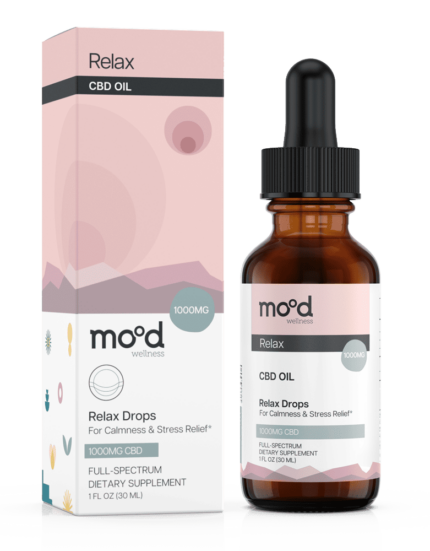
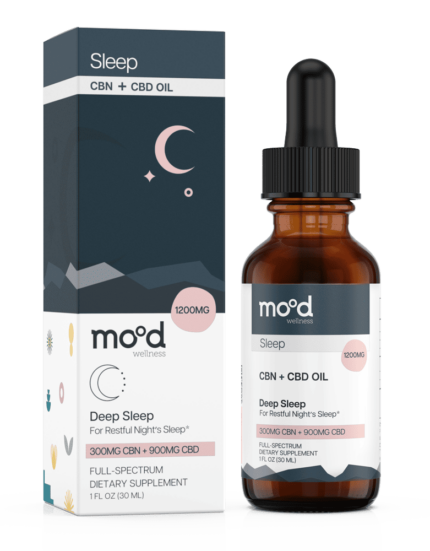
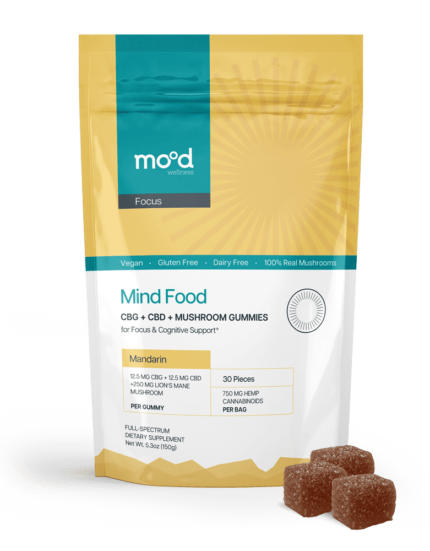
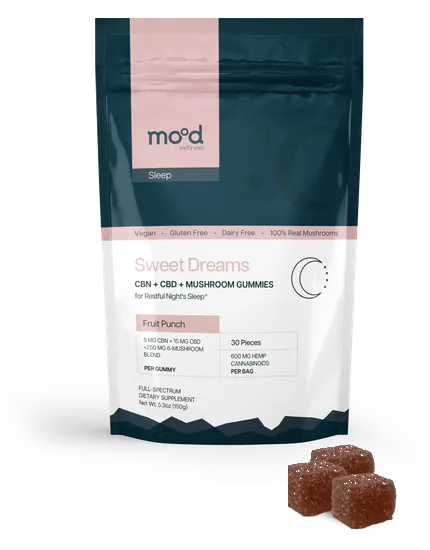
Product disclosure: Mood Wellness sells Relax Drops and other CBD products. The product is included as a transparent label-reading example, not proof of a medical or wellness outcome.
This article is educational and is not medical or legal advice. It does not diagnose, treat or provide a personalized serving. Medical and interaction statements require qualified review before publication.
Written by Mood MagazineEvidence and product information checked September 3, 2026. Medical review required before publication.