Two active substances
What happens when you mix CBD and alcohol?
Alcohol impairs attention, coordination, judgment and reaction time. CBD can cause drowsiness or changes in alertness. Taking them together creates a plausible additive sedation risk even when CBD does not make someone feel “more drunk.”
That distinction matters. Blood alcohol concentration, subjective intoxication, sleepiness and actual performance are different outcomes. A study can find no change in breath alcohol while leaving other safety questions unresolved. Someone can also underestimate impairment because the combination feels calmer rather than obviously stronger.
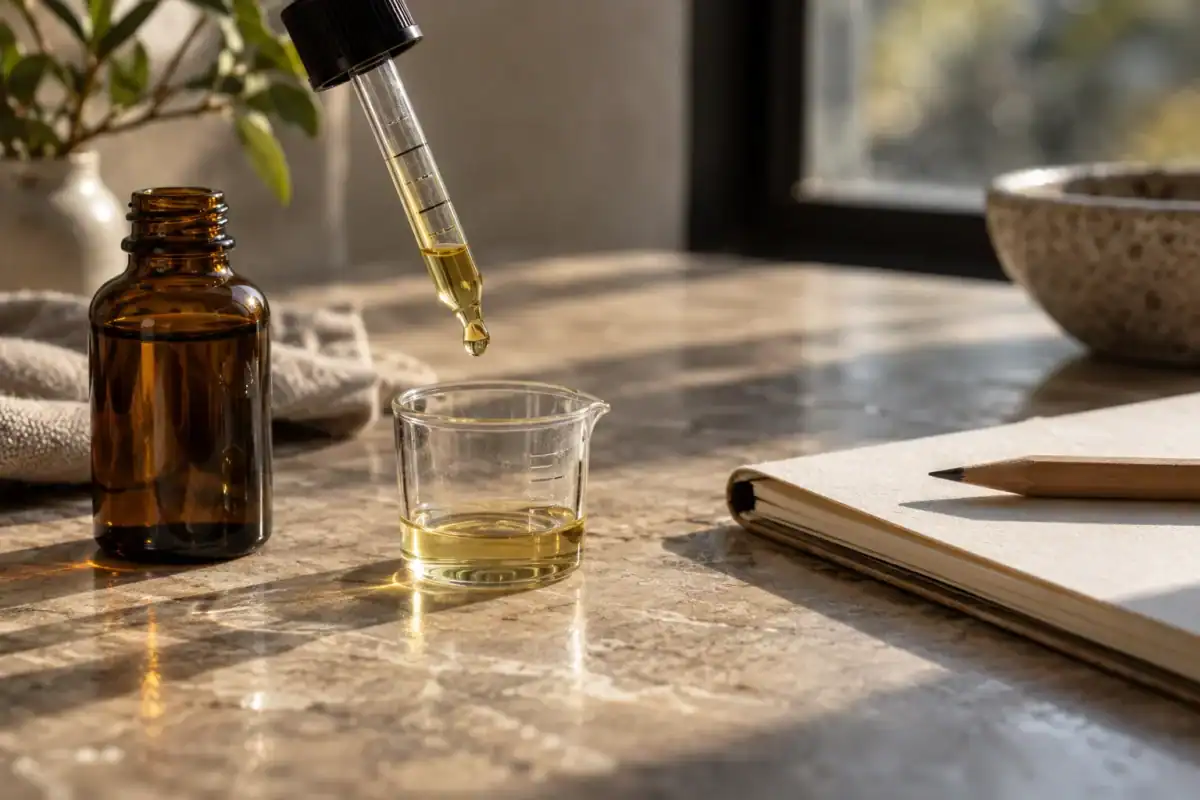
CBD products are not uniform. A purified CBD capsule used in a laboratory is different from a full-spectrum oil containing trace THC, a gummy with melatonin, or a beverage with an uncertain serving. Alcohol may be one drink or several. Individual tolerance, food, medication, liver function and time all change the result.
Practical bottom line:
Do not use CBD to counteract alcohol, reduce a hangover, make driving safer or justify another drink. It is not an antidote to intoxication.
Small studies, narrow conclusions
What do human studies say about CBD and alcohol?
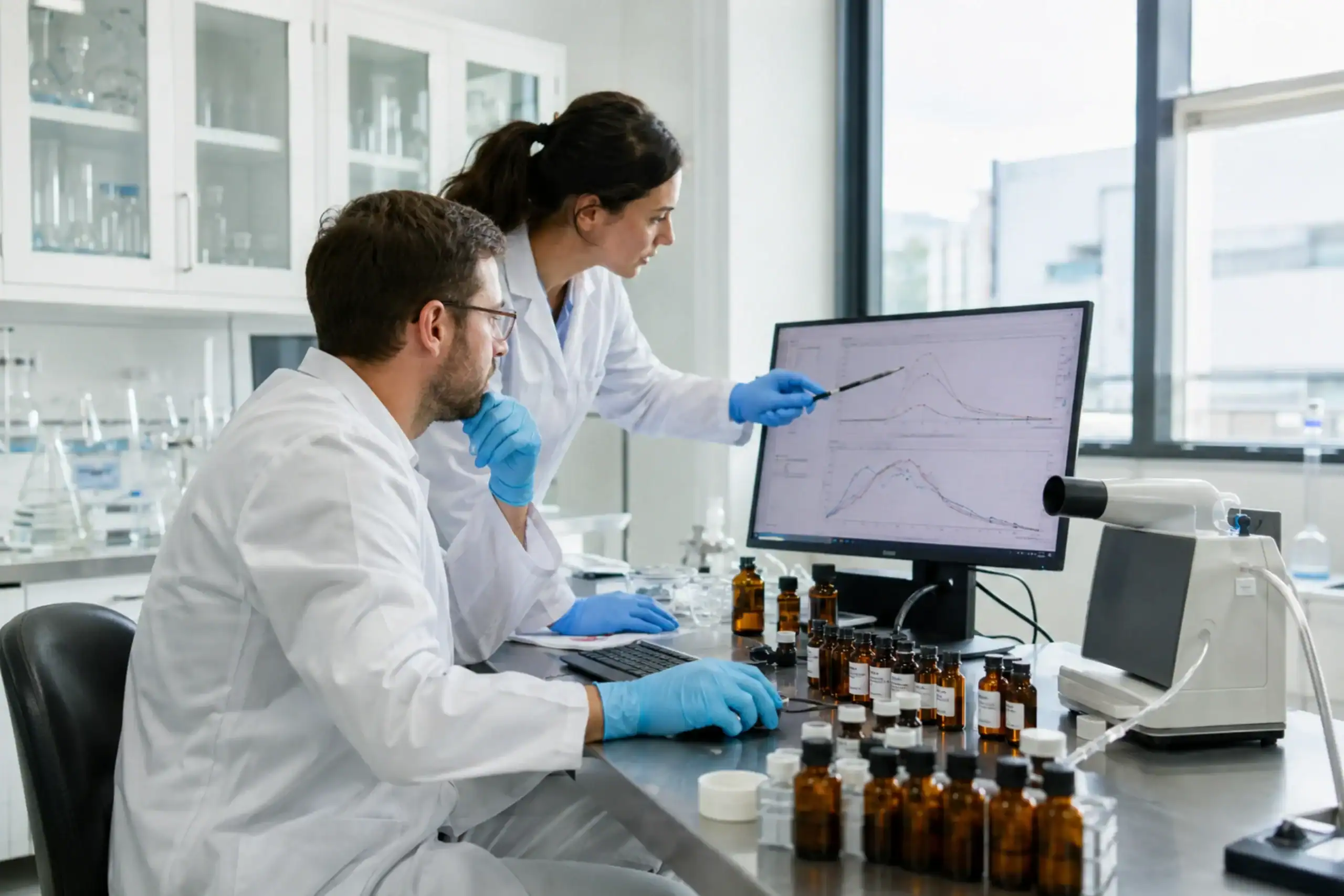
A 2026 Phase I randomized trial tested 50 mg and 100 mg oral CBD with alcohol in adults with moderate alcohol use. Alcohol was dosed to target a peak blood alcohol concentration of 0.06 g/100 mL. Twenty-nine people enrolled and 19 completed the study. Researchers reported no significant CBD-related difference in peak breath alcohol, its time course, subjective responses or measured impairment at four hours.
That result is useful but narrow. It does not show that the participants were unimpaired throughout the session, that higher or repeated doses are safe, or that the same finding applies to older adults, liver disease, medications, severe alcohol use or full-spectrum products. The study also included an outpatient phase of 50 mg CBD twice daily for four weeks; it was not designed to authorize casual co-use.
A 2023 crossover study in people reporting heavy drinking compared 30 mg CBD, 200 mg CBD and placebo before a standardized alcohol dose. It found minimal effects on breath alcohol and subjective alcohol effects. An older 1979 experiment included only ten volunteers and likewise offers limited guidance for modern products.
| Question | Current evidence | Responsible conclusion |
|---|---|---|
| Does CBD lower blood alcohol? | Small studies do not show a reliable, clinically useful reduction | Do not use CBD to sober up |
| Does CBD intensify subjective intoxication? | Not consistently in small controlled studies | Subjective feeling cannot establish driving safety |
| Can the combination increase drowsiness? | Biologically plausible; FDA explicitly warns of increased sedation risk | Avoid combining, especially with other sedatives |
| Is occasional co-use proven safe? | No broad safety evidence across products and populations | Do not convert limited trials into a universal green light |
| Does CBD prevent a hangover? | No reliable human evidence | Marketing claims exceed the evidence |
Feeling fine is not a test
Can you drive after taking CBD and drinking alcohol?
No one should use CBD as evidence that it is safe to drive after drinking. Alcohol impairment can persist even when a person feels composed. CBD can add drowsiness, and a full-spectrum product may contribute THC. Legal blood-alcohol limits are not performance targets and do not guarantee that a driver is safe below them.
The FDA notes that cannabis-derived products, including CBD, can make driving dangerous. If alcohol is involved, arrange transportation that does not depend on self-assessing alertness. Do not operate machinery, cycle in traffic or take responsibility for another person’s safety while impaired.

Shared organ, incomplete prediction
Are CBD and alcohol together bad for the liver?
Both substances involve liver processing, but it is too simplistic to claim that one ordinary combination automatically causes liver injury. Prescription cannabidiol at monitored therapeutic doses carries liver-related warnings, particularly with certain medications. Heavy or chronic alcohol use is independently associated with liver harm.
Direct human evidence on liver outcomes from typical retail CBD plus occasional alcohol remains limited. Risk is more concerning with liver disease, substantial alcohol intake, high CBD exposure or hepatotoxic medication. Routine liver tests from a small short trial cannot establish long-term safety for all these situations.
If you have liver disease, abnormal liver tests, heavy alcohol use or take medication with liver warnings, do not rely on a general article for an individualized decision. Seek qualified medical advice. Possible liver-injury symptoms such as jaundice, dark urine, severe nausea or unusual persistent fatigue warrant prompt evaluation.
Purified CBD is not every product
Why does the type of CBD product change the risk?
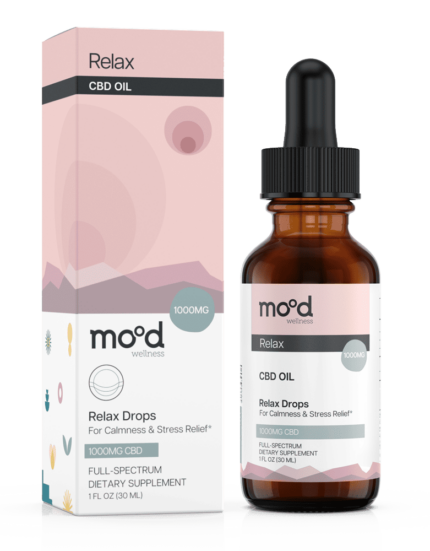
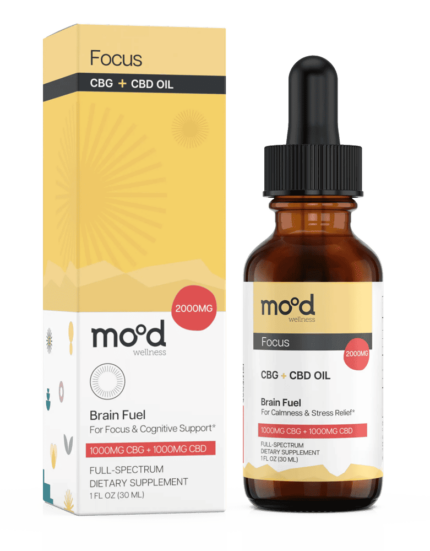
CBD isolate is intended to contain highly purified cannabidiol. Broad-spectrum formulas include additional hemp constituents while generally aiming to remove THC. Full-spectrum formulas can contain trace THC. Only a current batch report can show the measured profile.
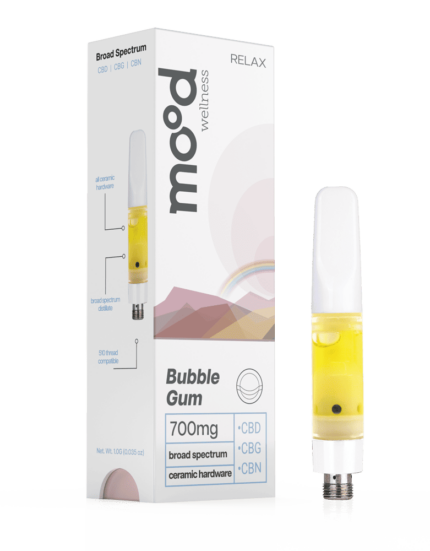
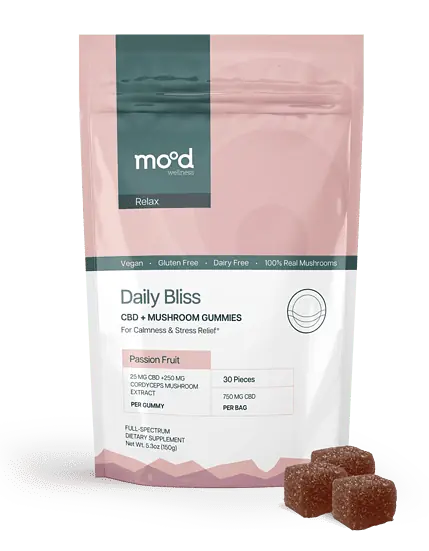
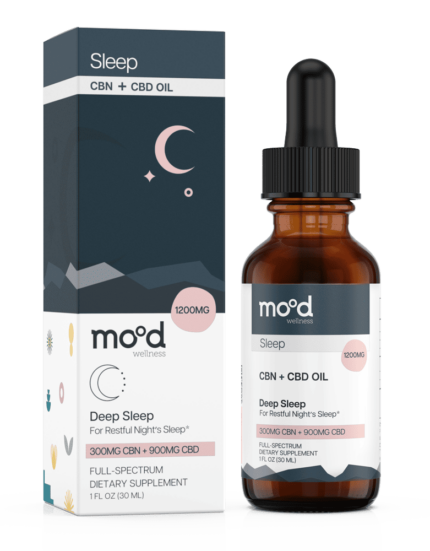
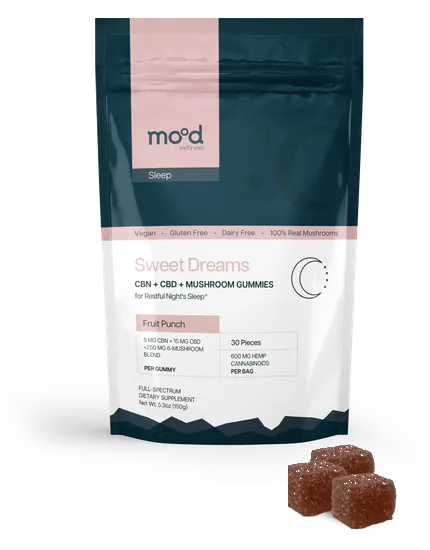
A sleep gummy might also contain CBN, melatonin or sedating botanicals. A “CBD cocktail” can disguise the amount of CBD or alcohol in a serving and encourages simultaneous use. Inhaled products introduce separate respiratory concerns and can change onset, making them poor substitutes for oral-study results.
Read milligrams per serving, complete ingredients, spectrum type and the matching certificate of analysis. An unlabeled homemade serving or a product without a batch result adds uncertainty that a laboratory trial did not test.
No universal countdown
How long should you wait between CBD and alcohol?
There is no evidence-based interval that guarantees the substances no longer overlap. CBD timing varies by route, formulation, dose, food, repeated use and individual metabolism. Alcohol clearance depends on amount, pace, physiology and other factors. “Two hours” or “six hours” is false precision without those variables.
The conservative choice is to use them on separate occasions and avoid alcohol when starting a new CBD product. Waiting until the next day may reduce overlap for some situations but is not a universal medical rule, especially after heavy drinking, high CBD exposure or repeated dosing.
If it already happened
What should you do if you already mixed CBD and alcohol?
1
Stop adding substances
Do not take more CBD, alcohol, THC, sedatives or sleep aids.
2
Do not drive
Arrange safe transportation and stay in a low-risk setting.
3
Check the labels
Note CBD milligrams, alcohol amount, THC, other active ingredients and timing.
4
Monitor and escalate
Seek urgent help for trouble breathing, loss of consciousness, seizure, severe confusion, repeated vomiting or inability to stay awake.
Do not leave a severely drowsy or vomiting person alone. In the United States, Poison Control is available at 1-800-222-1222; call emergency services for severe or rapidly worsening symptoms. Local resources differ outside the U.S.
Higher-uncertainty situations
Who should avoid combining CBD and alcohol?
Avoid the combination if you are pregnant or breastfeeding, under the legal drinking age, have liver disease, have a history of problematic alcohol use, or take sedatives or medication that interacts with alcohol or CBD. Older adults and people prone to falls may be especially vulnerable to drowsiness and balance changes.
Avoid mixing when driving, supervising children, swimming, using machinery or making safety-critical decisions. If CBD is used as part of prescription care, follow the prescriber’s and official product’s alcohol guidance rather than retail advice.
Quick answers
CBD and alcohol FAQs
Does CBD make you more drunk?
Small human studies have not shown a consistent increase in subjective intoxication, but CBD can cause drowsiness and the combination remains unsafe to judge by feeling alone.
Can CBD lower blood alcohol?
No reliable evidence shows that CBD meaningfully lowers blood alcohol or accelerates sobriety. Time;not CBD;is required to clear alcohol.
Can you put CBD oil in an alcoholic drink?
That creates simultaneous exposure and makes serving accuracy harder. It is not recommended, and an oil label should not be treated as a cocktail recipe.
Can you take CBD gummies after drinking?
A gummy can overlap with alcohol for hours and may include THC, CBN, melatonin or other ingredients. There is no universal safe waiting interval.
Does CBD prevent a hangover?
There is no reliable human evidence that retail CBD prevents or cures a hangover. CBD can also cause gastrointestinal symptoms or drowsiness.
What about alcohol-free CBD drinks?
Check the actual alcohol content, CBD dose, spectrum, other ingredients and batch report. “Alcohol-free” does not automatically make a CBD beverage appropriate for everyone.
Is CBD plus one drink safe?
No study can guarantee safety for every person or product. One drink still impairs some people, and CBD or other formula ingredients can add uncertainty.
Evidence and disclosure
Sources and editorial review
- FDA: CBD risks, alcohol and sedation.
- 2026 Phase I study of co-administered CBD and alcohol.
- 2023 controlled study of oral CBD before alcohol.
- 1979 randomized crossover study of CBD and alcohol.
- FDA: cannabis-derived products and driving safety.
- NIAAA review series introduction on alcohol and cannabinoids.
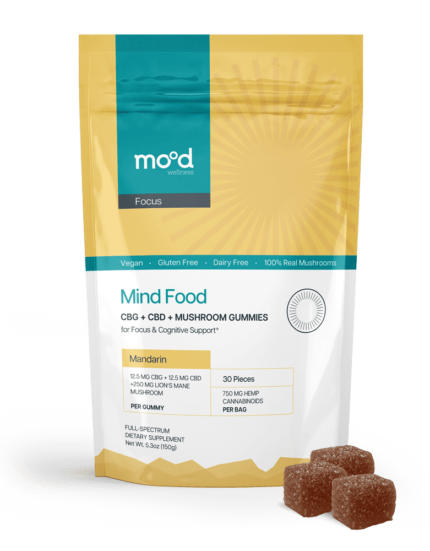
Product disclosure: Mood Wellness sells Relax Drops. The product is included to explain full-spectrum label variables and is not recommended for mixing with alcohol.
This article is educational and is not medical advice. Avoid driving after drinking, and seek individualized guidance for medication, liver disease or other health concerns.
Written and reviewed by Mood MagazineEvidence, safety guidance and product information checked September 2, 2026.