
The practical answer
Can surfers bring CBD on a plane or across a border?
Sometimes a specific product may be permitted on a specific domestic route. That is not a universal permission to fly, drive or cross an international border with CBD.
Travel questions become confusing because “legal” is treated as one switch. In reality, several authorities control different parts of the journey. Airport security may allow an item through screening while customs law prohibits import. A destination may permit CBD sales but restrict personal import. A country may permit a pharmaceutical CBD medicine under authorization while prohibiting retail hemp extracts.
Surf trips add complex itineraries: a long layover, land border, island ferry, charter flight, remote domestic connection or contest check-in. Each point can change the answer. The product also matters. An oil, gummy, topical and prescription medicine may be classified differently, and THC thresholds vary.
The safest default is simple: if you cannot confirm permission from authoritative sources for every stage, do not pack the product. Buying something legally at home, carrying a receipt or having a doctor’s note does not automatically create import permission.
One-sentence rule
Verify the route, the product and the purpose;not just the word “CBD”;and leave it home whenever uncertainty or consequences are high.
One trip, seven questions
The seven layers of CBD travel rules
| Layer | Question | Best source |
|---|---|---|
| Origin law | Can you possess and depart with this exact product? | State or national government |
| Security screening | Can the item pass the airport checkpoint and liquid rules? | Official security authority |
| Carrier policy | Does the airline, ferry, cruise or charter permit it? | Carrier’s current conditions |
| Transit law | Does a connection place you under another jurisdiction? | Transit-country customs/embassy |
| Destination law | Can you import and possess the product there? | Destination government/customs |
| Competition policy | Are cannabinoids or supplements restricted or tested? | Organizer/federation/anti-doping body |
| Return route | Can you depart and re-enter with it? | Both border authorities |
These layers cannot substitute for one another. A security officer’s job is not to give a complete legal opinion about import law. A retailer’s shipping page is not a government permission. An airline representative may answer baggage policy without knowing the destination’s controlled-substance rules.
Document the answer to each layer separately. A travel forum, influencer, surf camp or old blog can help identify a question, but it should not be the final source for a decision carrying seizure, detention, eligibility or immigration risk.
Domestic is not simple
What about traveling with CBD within the United States?
At the federal level, hemp was removed from the Controlled Substances Act definition of marijuana when it meets the applicable delta-9 THC limit. That change did not make every cannabinoid product lawful in every context. FDA rules, state restrictions, product categories and later federal or state changes still matter.
The Transportation Security Administration states that marijuana and certain cannabis-infused products remain illegal under federal law, with exceptions that include products containing no more than the federal hemp threshold and FDA-approved products. TSA also explains that its screening focuses on security; suspected illegal substances can be referred to law enforcement. Travelers should read the current TSA page rather than relying on a screenshot.
Security permission is only one layer. State rules can restrict intoxicating hemp cannabinoids, age, format, labeling or sale. A product lawful in the state of origin may not fit the destination’s current definition. Driving adds vehicle and impairment laws, while national parks and other federal property create another jurisdictional layer.
| Check | Why it matters |
|---|---|
| Product source and THC | Hemp status depends on the product, not merely “CBD” on the front |
| Origin and destination state | State cannabinoid and product rules vary |
| TSA and liquid limits | Security and packaging rules apply separately |
| Airline policy | A carrier can impose conditions beyond security screening |
| Federal property | Federal jurisdiction may differ from surrounding state rules |
| Driving and impairment | THC or drowsiness can create safety and legal risk |
Do not hide, relabel or transfer a CBD product into an unmarked container. Concealment creates more ambiguity, destroys the connection to the batch and can appear deceptive. If the route is confirmed and you choose to carry it, original packaging is easier to identify.
Borders change the risk
Why international surf travel is different
Domestic hemp legality does not travel with your passport. The destination controls import and possession, and a transit country may apply its own law even when you do not leave the airport. Some jurisdictions distinguish CBD from THC; others regulate cannabis extracts broadly or require specific authorization.
Canada provides a useful warning against casual assumptions. Canadian federal travel guidance says it is illegal to take cannabis across the Canadian border without the relevant authorization, including products containing CBD, even when traveling to or from a place where cannabis is legal. Domestic legalization and border permission are different questions.
Do not rely on a worldwide country table for a final decision. Laws change, product definitions differ, and a table rarely captures import permits, transit, prescription status or enforcement. Surf destinations may also be reached through a stricter hub than the destination itself.
Transit counts
A ticket from one permissive place to another can connect through a jurisdiction with different rules. Bags may be inspected, reclaimed or rechecked. Weather or airline disruptions can turn an airside connection into an overnight entry. Verify every scheduled transit and consider the consequence of an unscheduled diversion.
Medical use is not an automatic exemption
A prescription or clinician letter may support an application where a country recognizes the medicine, but it does not itself authorize import. Retail CBD and an approved prescription drug are not interchangeable. Contact the destination’s embassy, health authority and customs service well in advance for the exact process.
Purchase at destination is not automatically safe
Local sale suggests some domestic pathway, but tourist possession, age, lodging rules, driving, competition and return travel still need review. Never bring leftovers across a border without completing the full return-route check.
The airport is not the only border
Road trips, ferries, cruises and charter boats
Surf travel often continues after the flight. A rental car may cross a state, provincial or international boundary; an island ferry may use a private prohibited-items policy; a charter boat may enter territorial waters or clear customs at a different port. Verify the actual route rather than assuming the first airport decision covers the rest of the trip.
Road travel also raises impairment and vehicle-storage questions. A full-spectrum product can contain THC, and CBD itself may cause drowsiness. Never drive when affected. Do not open or use a product in a vehicle where local law creates additional restrictions, and do not assume a rental agreement permits cannabis-derived products.
Cruise and charter operators can prohibit CBD even when a port permits it. Ships may operate under company policy, port law and the laws of multiple destinations. Because a surf charter can change course for weather, a product that appears acceptable for the planned stop may become a liability at an alternate port.
Mailing CBD to a surf camp does not avoid import law. Postal, courier and customs rules apply, and asking accommodation staff or a guide to receive an uncertain item transfers risk to them. When a route includes several authorities, leaving it at home is usually the cleanest decision.
A reproducible check
How to verify CBD rules before a surf trip

1
Describe the product precisely
Record format, ingredients, cannabinoid spectrum, CBD amount, THC result, package size, batch and whether it is a prescription medicine.
2
Map the whole itinerary
List departure, every connection, destination, side trip, land or sea crossing and return route.
3
Use government sources
Check customs, controlled-substance, health ministry, embassy and official travel-advisory pages. Search both CBD and cannabis extract terminology.
4
Check transport policy
Review TSA or the relevant security authority, airline, ferry, charter and lodging rules separately.
5
Ask in writing
When official pages are ambiguous, send the exact product description and route to the responsible authority. Retain the dated response.
6
Re-check before departure
Repeat the verification shortly before travel because laws, connections and policies can change.
When searching government sites, pay attention to the date and legal scope. “Hemp,” “cannabis,” “extract,” “controlled drug,” “food supplement” and “medicine” may lead to different rules. A search snippet is not enough; open the source and confirm it applies to travelers and import.
If officials will not give a clear answer, that uncertainty is itself decision-relevant. The burden and consequences fall on the traveler, not the retailer.
Useful, not magical
Do a label, receipt or COA make CBD legal to travel with?
No document overrides a prohibition. Documentation can help identify a product only after the route is independently confirmed.
- Original packaging: shows manufacturer, ingredients, serving information and batch number.
- Batch-linked COA: reports tested cannabinoid levels and, when included, contaminant results.
- Receipt: establishes where and when the product was purchased, not import permission.
- Prescription and clinician letter: may be required for an approved medicine but do not replace destination authorization.
- Written official response: is stronger than a retailer or forum answer, yet must match the product and itinerary.
A COA has limits. It describes the laboratory sample, methods and reporting limits. It cannot prove every unit is identical, predict a drug test or force a customs officer to accept the item. A generic “lab tested” page without a matching batch is weaker.
Use Mood’s guide to reading a CBD certificate of analysis to understand potency, THC and contaminant panels. Do not edit a report, cover a THC result or use a COA from a different batch.
A separate rulebook
Competitive surfers: legality is not anti-doping clearance
A product can be legal to possess and still create an anti-doping problem. The 2026 World Anti-Doping Agency list identifies cannabinoids as prohibited in competition while excepting cannabidiol. USADA warns that CBD products may contain THC and other prohibited cannabinoids and that athletes bear the risk of what enters their system.
The CBD exception does not certify a commercial oil or gummy. Full-spectrum products intentionally contain multiple cannabinoids. Broad-spectrum and isolate products may reduce THC exposure but do not provide a guarantee against contamination or a positive test.
Check the current federation and contest rules, the in-competition period, supplement policy, testing authority and any therapeutic-use process. A local surf event may not use WADA; a national or international event may have additional obligations. Team, sponsor or employer rules may be stricter.
If a failed test could affect ranking, prize money, sponsorship, travel status or livelihood, not using cannabinoid products is the lowest-risk option. Timing guesses and “detox” claims cannot reliably solve individual clearance.
Format changes logistics
Are oils, gummies and topicals treated differently?
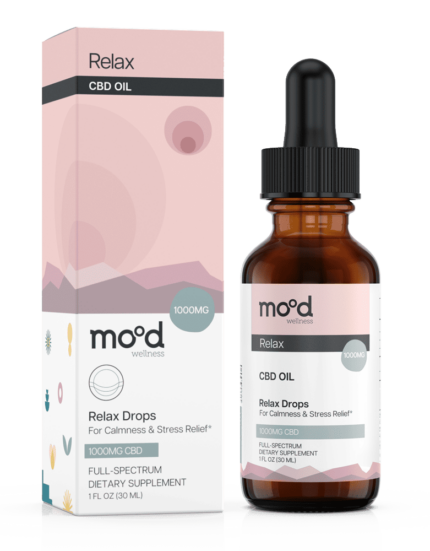
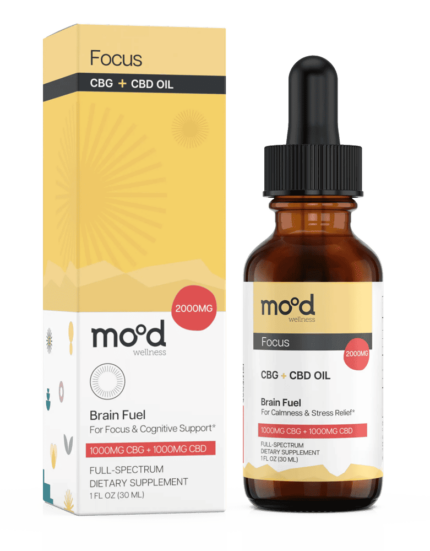
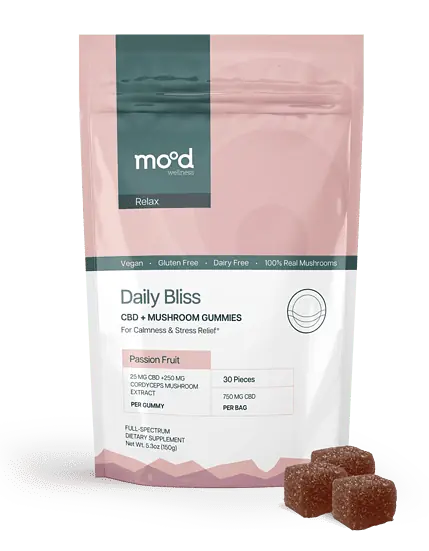
They can be. Security liquid limits apply to oils and creams, while gummies may be regulated as food. Destination law may classify all cannabis-derived extracts together regardless of format. A topical that seems ordinary may still list CBD as an ingredient and fall under a restriction.
| Format | Extra question | Common mistake |
|---|---|---|
| Oil | Does it meet security liquid limits and destination extract rules? | Assuming a small bottle is legally acceptable |
| Gummy | Are CBD foods or supplements permitted to import? | Removing it from labeled packaging |
| Topical | Do cream limits and cannabinoid rules apply? | Assuming “external use” is exempt |
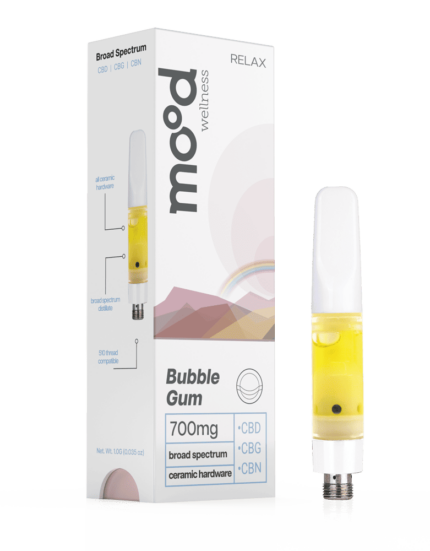
| Vape | Are vaping devices, batteries, liquids and CBD permitted? | Checking only CBD law, not aviation battery or vape rules |
| Prescription medicine | Is prior authorization or documentation required? | Treating a home prescription as international permission |
Vapes create especially complex baggage and safety rules and may be illegal at the destination. This guide does not recommend traveling with a CBD vape. Review the dedicated airline and destination restrictions for vaping devices and batteries.
When the answer is no
A conservative CBD travel decision tree
- Is the exact product lawful to possess at origin? If no or unclear, do not bring it.
- Is it expressly permitted through every transit point and into the destination? If no or unclear, leave it home.
- Does the carrier permit it and does it meet security rules? If no, do not pack it.
- Does competition, team or employment policy create additional risk? If yes or unclear, avoid it.
- Can you prove identity with original packaging and a matching COA? If no, do not travel with it even where rules appear permissive.
- Would seizure, delay, detention or a positive test cause serious harm? If yes, choose the lowest-risk action: leave it home.

Do not attempt to disguise, mail ahead or ask another traveler to carry a product that you cannot lawfully bring. Those actions can increase legal exposure and shift risk to someone else.
A trip without CBD does not need a substitute product. Protect sleep, hydration, nutrition, movement and any prescribed care through options that are confirmed legal and appropriate. If CBD is part of medical treatment, start the authorization conversation with clinicians and destination authorities early rather than improvising at departure.
The best travel decision is not the one that maximizes what fits in the bag. It is the one that preserves the trip, the person’s safety and their ability to return home without avoidable legal or sporting consequences.
Quick answers
CBD surf travel questions
Can I take CBD on a domestic U.S. flight?
Some hemp-derived and FDA-approved products may fit current federal and TSA exceptions, but product, state, security and airline rules all matter. Verify the current route and exact product.
Does TSA approval mean CBD is legal at my destination?
No. TSA screening, destination law, state law, customs and airline policy are separate layers.
Can I fly internationally with CBD?
Only when the exact product and entire route are confirmed by authoritative sources. Many countries restrict cannabis derivatives, and transit can create exposure. If unclear, leave it home.
Can I cross the Canadian border with CBD?
Canadian government guidance warns that cannabis, including CBD products, cannot cross the border without the relevant authorization even when traveling between places where cannabis is legal.
Will a COA prevent confiscation?
No. It may document a tested batch but cannot override law, guarantee customs clearance or guarantee a negative drug test.
Is CBD isolate always safe to travel with?
No. Some jurisdictions regulate CBD or cannabis extracts regardless of THC, and labels or purity do not create permission.
Can competitive surfers use CBD?
WADA excepts CBD, but other cannabinoids remain prohibited in competition and commercial products may contain them. Check the current event and federation rules.
What if I cannot find an official answer?
Ask the responsible embassy, customs service, security authority and carrier in writing. If the answer remains unclear, do not carry the product.
Sources and disclosure
Official references and editorial review
- U.S. Transportation Security Administration. Medical Marijuana and Certain Cannabis-Infused Products.
- U.S. FDA. Regulation of Cannabis and Cannabis-Derived Products.
- Government of Canada. Drugs, Alcohol and International Travel.
- World Anti-Doping Agency. 2026 Prohibited List.
- USADA. Six Things Athletes Should Know About Cannabidiol.
This article is general education, not legal, immigration, medical, customs or anti-doping advice. Rules and enforcement change. Verify the exact itinerary and product with current authorities.
Written and reviewed by Mood MagazineMaterially researched and updated September 6, 2026. No attorney or clinician review is claimed.