Freeze, chill and crystallization are different observations
Before deciding what happened, describe what you can actually see.
| Observation | What it means descriptively | What it does not prove |
|---|---|---|
| Slower flow | The liquid has become more viscous | That CBD has degraded or increased |
| Uniform haze | Clarity changed throughout the oil | Contamination or spoilage |
| Visible crystals | Solids appear on the glass, dropper or in the liquid | Which ingredient formed them |
| Partial solidification | Some material moves while another portion does not | A precise freezing temperature |
| Fully rigid contents | The formulation does not move when gently repositioned | That the bottle can be safely shaken or heated |
| Layers after warming | Components remain visibly separated | That remixing will restore labeled uniformity |
If you did not witness a known freeze event, use the cloudy CBD oil troubleshooting guide first. It separates haze, sediment, crystals and layers without assuming cold caused them.

Why formulation matters
“CBD oil” is a category, not one chemical substance. The cannabinoid extract is dispersed in a carrier, often with flavors or other ingredients. The physical state of the finished product reflects the complete mixture.
Carrier oil
MCT, hemp seed and olive oils differ in fatty-acid composition, color, taste and cold behavior. Even oils within one category can vary. The carrier-oil comparison explains why the carrier must be read from the exact ingredient list.
Cannabinoid concentration and extract
A higher concentration places more dissolved or dispersed material into the carrier. Full-spectrum, broad-spectrum and isolate formulations also contain different mixtures. Cold may reduce the solubility of some components, but visible crystals do not identify a compound by themselves.
Other ingredients
Flavor oils, botanical components and formulation aids may respond differently to cold. A finished product can behave unlike pure CBD, plain carrier oil or a laboratory solution described in a paper.
Container and closure
Glass, headspace, cap, bulb and dropper are part of the event. Liquids and trapped air can change volume with temperature. A rigid closure, cracked pipette or compromised seal creates a packaging problem even if the oil later looks normal.
Can freezing damage the bottle?
Cold can make some materials brittle, and expansion or uneven temperature change can stress containers and seals. Do not assume amber glass is immune. Inspect before moving the bottle extensively.
Look for:
- cracks, chips or a new line in the glass;
- liquid around the neck or inside the package;
- a displaced cap, collar or tamper feature;
- a split or hardened rubber bulb;
- a cracked, loose or bent glass pipette;
- residue suggesting leakage during transit.
If glass or the dropper is damaged, do not use the product. Do not strain the oil in an attempt to remove fragments. Keep the package away from children and pets and contact the seller for disposal or replacement instructions.

A safe after-freezing workflow
The goal is controlled observation, not home restoration.
1. Leave the bottle sealed
Opening a very cold container introduces room air and moisture and makes leakage harder to interpret. Keep it upright in its original package if possible.
2. Record the event
Photograph the parcel, bottle, cap and visible change in neutral light. Record delivery time, outdoor conditions if known, how long the package sat outside and when you brought it indoors. Do not invent a precise product temperature from the weather report.
3. Read the labeled storage range
Use the package instruction for the exact product. “Cool, dry place” does not mean freezer storage, and generic advice from another brand is not a substitute.
4. Let it return naturally
Set the sealed bottle upright in a stable indoor location within its labeled storage conditions. Keep it away from children, pets, direct sunlight, heaters and cooking areas. Allow time for the whole bottle to equilibrate; a warm surface does not mean the center has changed state.
5. Do not force the process
Do not microwave, boil, use a hot-water bath, hair dryer, radiator, heating pad or direct sun. Rapid or uneven heating can stress the container and move the formulation beyond known conditions.
Do not shake a rigid or partly frozen bottle. A glass pipette can strike the container, and shaking hides the original separation pattern you need to document.
6. Inspect after it reaches the labeled range
Check the bottle and closure again. Note whether the oil returned to its expected flow and appearance or still shows haze, crystals, sediment or layers. Smell only if the package is intact and ordinary opening is appropriate; do not taste an uncertain product. The changed-taste guide explains why a new off-odor or flavor should be escalated rather than sampled repeatedly.
7. Follow only the product's mixing instruction
If the label says “shake well,” follow that direction after documenting the post-thaw state and confirming the package is intact. Do not improvise vigorous mixing or transfer the contents.
8. Contact the manufacturer when uncertain
Provide the product name, size, lot code, date marks, purchase source, delivery timeline, photographs and observations before and after natural warming. Ask whether freezing is within the product's validated handling conditions and what the company recommends for that batch.
Can CBD Oil Freeze Mistakes to Avoid
- Do not add MCT, olive oil, water, alcohol or flavoring.
- Do not scrape or dissolve crystals with a tool.
- Do not filter, strain or transfer the oil.
- Do not use boiling water or direct heat.
- Do not use subjective effects to test whether potency changed.
- Do not rely on a clear appearance as proof of safety.
- Do not refreeze the bottle as an experiment.
Adding liquid changes concentration and invalidates label math. Filtering can introduce contamination. Repeated freeze–thaw cycles create a different history than one accidental event.
What laboratory studies can tell us
Stability research shows why a universal answer would be misleading.
A 2026 study indexed in PubMed compared cannabinoid stability in plant material, extracts, isolates and oil formulations across room, refrigerated and frozen storage. Stability varied with cannabinoid profile and matrix. That supports formulation-specific guidance; it does not establish that every consumer CBD oil should be frozen.
A 2021 study examined CBD powder and a sunflower-oil solution under controlled conditions. Temperature, time, oxygen and matrix influenced stability. Its defined laboratory samples and stress conditions are not interchangeable with a flavored full-spectrum retail bottle.
Other studies test freeze–thaw stability of analytical quality-control samples, blood or specialized self-emulsifying delivery systems. Those results answer whether a particular method or formulation remained within predefined criteria. They do not certify ordinary MCT, hemp seed or olive-oil products.
The defensible conclusion is narrow: cold response and chemical stability depend on the complete formulation and test conditions. Ask for product-specific evidence rather than translating a laboratory freezer result into a pass guarantee.
Appearance is not a potency measurement
Cloudiness, thickness or crystals cannot tell you milligrams per milliliter. After thawing, a visually uniform bottle may still require mixing according to the label, while persistent separation may undermine confidence that each measured portion matches the intended formulation.
A certificate of analysis measures a named sample using stated methods. It usually does not test what happened to your individual bottle during delivery. Review how to read a CBD COA and match the package to the correct batch, but do not treat the report as a post-shipping inspection.
Common accidental-freezing scenarios
A parcel left outside overnight
Photograph the unopened parcel and bottle. Record the delivery timestamp and when it came indoors. Keep the product sealed and upright while it returns naturally to labeled conditions. Packaging damage or persistent change belongs with the seller.
A bottle left in a vehicle
Vehicle interiors can experience large temperature swings. Record the approximate duration and conditions. A later clear appearance does not reconstruct the exposure history.
A refrigerator cold spot
A bottle against a cooling element may experience colder conditions than the rest of the refrigerator. Do not move it directly to heat. Use the same sealed, gradual observation process and then reconsider whether refrigeration matches the label.
A freezer used for “longer shelf life”
Do not assume colder is always better. The manufacturer may not have validated the finished product, closure or repeated freeze–thaw handling. Follow the label and the preventive CBD oil guide.
A power outage followed by refreezing
An uncertain number of temperature cycles makes the history harder to interpret. Keep the bottle set aside and ask the manufacturer rather than estimating from appearance.
When to stop using the bottle
Hold the product and contact support if there is:
- cracked glass, dropper damage, leakage or a compromised seal;
- persistent layers, crystals, haze or unusual viscosity after natural warming;
- a new rancid, fermented, paint-like or chemical odor;
- foreign-looking material, bubbling or unexpected pressure;
- missing or unreadable batch and date information;
- conflict between the observed behavior and product instructions;
- an unknown or repeated freeze–thaw history;
- symptoms after use.
For urgent symptoms, contact emergency services or poison control as appropriate. CBD can also interact with medications and present other risks unrelated to freezing; speak with a qualified clinician when health consequences matter.

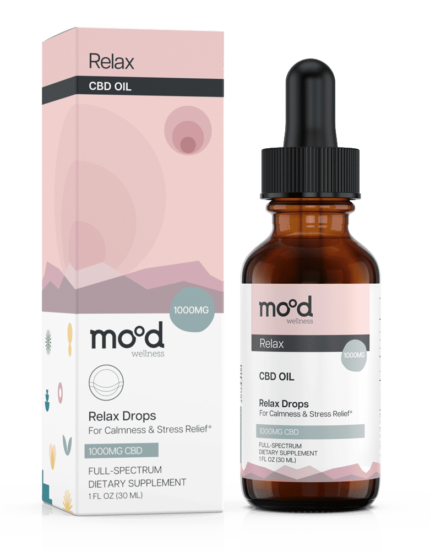
Checking a Mood CBD oil
For a Mood bottle, confirm the exact formula, carrier, bottle size, storage direction, lot code and date marks. Then check the Mood lab-results directory for the corresponding product and batch.
During our September 2026 editorial review, some publicly linked Mood reports were older potency-only documents. They describe the tested sample and analytes shown; they should not be called current-lot stability or full contaminant evidence unless newer documentation supports that claim.
Send Mood support:
- product name and bottle size;
- lot code and date marks exactly as printed;
- seller and purchase date;
- delivery or cold-exposure timeline;
- package and closure condition;
- before-and-after photographs;
- whether haze, solids, layers, odor or viscosity persisted.
If replacement is recommended, compare current options in Mood's CBD oils collection. A new bottle is not evidence about the old one's condition.

Bottom Line: Can CBD Oil Freeze
CBD oil does not have one universal freezing point because the finished bottle is a mixture of extract, carrier and other ingredients. Cold can produce thickening, haze, crystals or partial solidification, but those observations cannot quantify potency or establish safety.
Keep a cold bottle sealed and upright, document the event, let it return naturally to the labeled storage range and inspect the package and product afterward. Avoid direct heat, dilution, filtering and repeated freeze–thaw experiments. When damage or a persistent unexplained change remains, stop and ask the manufacturer about the exact batch.
Quick answers
Frequently asked questions about Can CBD Oil Freeze? A Safe Inspection Guide After Cold Exposure
What is the practical answer about Can CBD Oil Freeze? A Safe Inspection Guide After Cold Exposure?
CBD oil does not have one universal freezing point because the finished bottle is a mixture of extract, carrier and other ingredients. Cold can produce thickening, haze, crystals or partial solidification, but those observations cannot quantify potency or establish safety. Keep a cold bottle sealed and upright, document the event, let it return naturally to the labeled storage range and inspect the package and product afterward.
Which Mood product fits this topic?
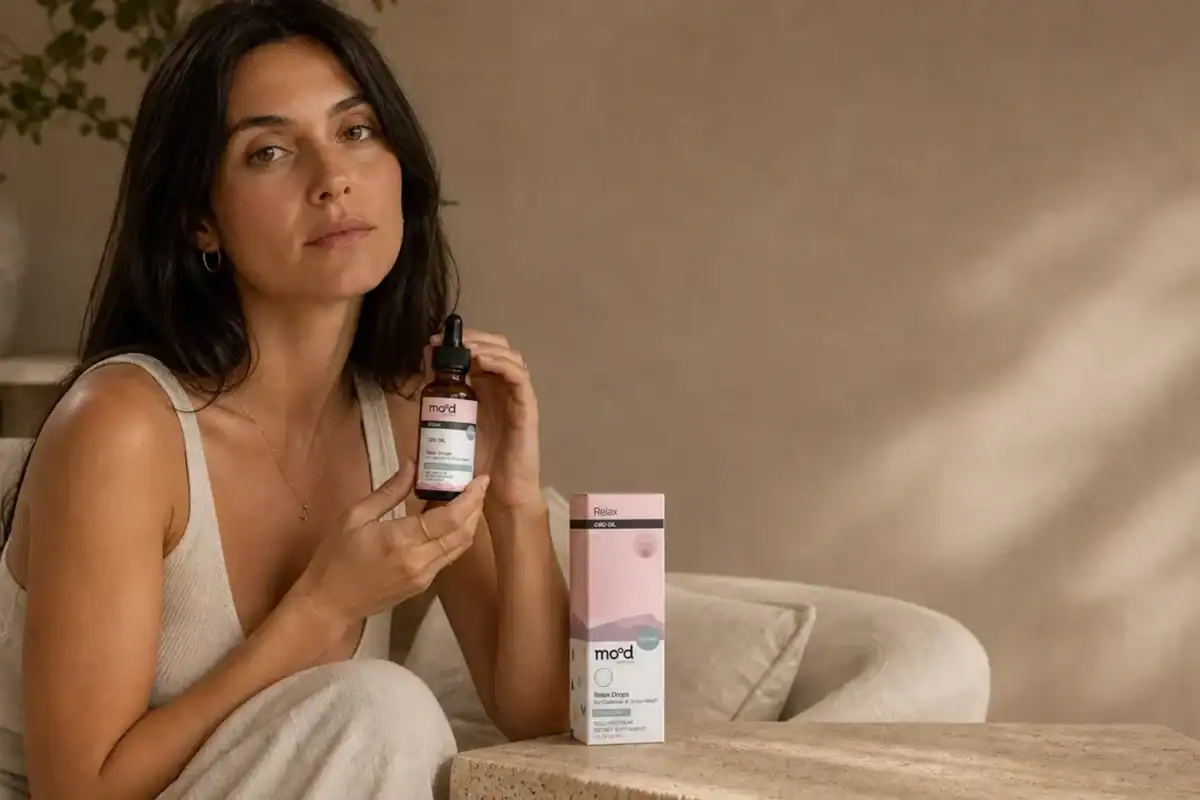
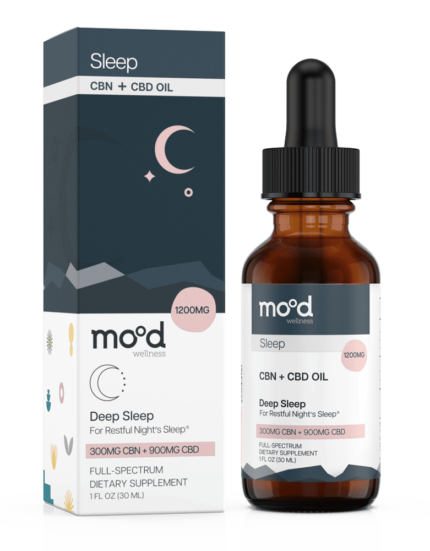
Relax Drops is the most relevant Mood option for this topic. Mood Relax Drops provide a clearly labeled CBD oil format for shoppers who want flexible serving control and an easy way to build CBD into a daily or evening routine.
What should I compare before choosing a oil?
Compare the cannabinoid amount per measured serving, the complete ingredient list, spectrum or THC information, current product directions and available batch documentation. The best choice is the formula that fits the goal and is easy to use consistently.
How should I start using a new CBD or cannabinoid product?
Follow the current package directions, choose a low-demand first-use window and keep timing and meal context reasonably consistent. Review medication, pregnancy, liver and impairment considerations with a qualified clinician when relevant.
Sources
- “Stability of Cannabinoids in Cannabis: Plant Material, Extracts, Oil Formulations, and Isolates (CBD and Δ9-THC) Under Different Storage Conditions.” PubMed PMID: 42576671.
- Kosović E, et al. “Stability Study of Cannabidiol in the Form of Solid Powder and Sunflower Oil Solution.” PMCID: PMC8003596.
- “Development and Characterization of Cannabidiol Self-Emulsifying Drug Delivery System.” PMCID: PMC12838755.
- “Simultaneous Assessment of Serum Levels and Pharmacologic Effects of Cannabinoids…” PMCID: PMC10442685.
- U.S. Food and Drug Administration. Consumer information on cannabis-derived compounds including CBD. Accessed September 9, 2026.
- U.S. Food and Drug Administration. What the FDA is Doing to Protect Consumers from Cannabidiol (CBD) in Foods. Accessed September 2026.