First establish the baseline
The most useful comparison is the same bottle over time or another bottle of the same formula and lot, not a random CBD product online.
Ask:
- What color was the oil when first opened?
- Was the observation made under similar lighting?
- Is the bottle itself amber, tinted or colored?
- Did the formula, carrier, flavor or lot change?
- Has the oil also become cloudy, layered, thicker or odorous?
- Was it exposed to prolonged sunlight, heat or air?
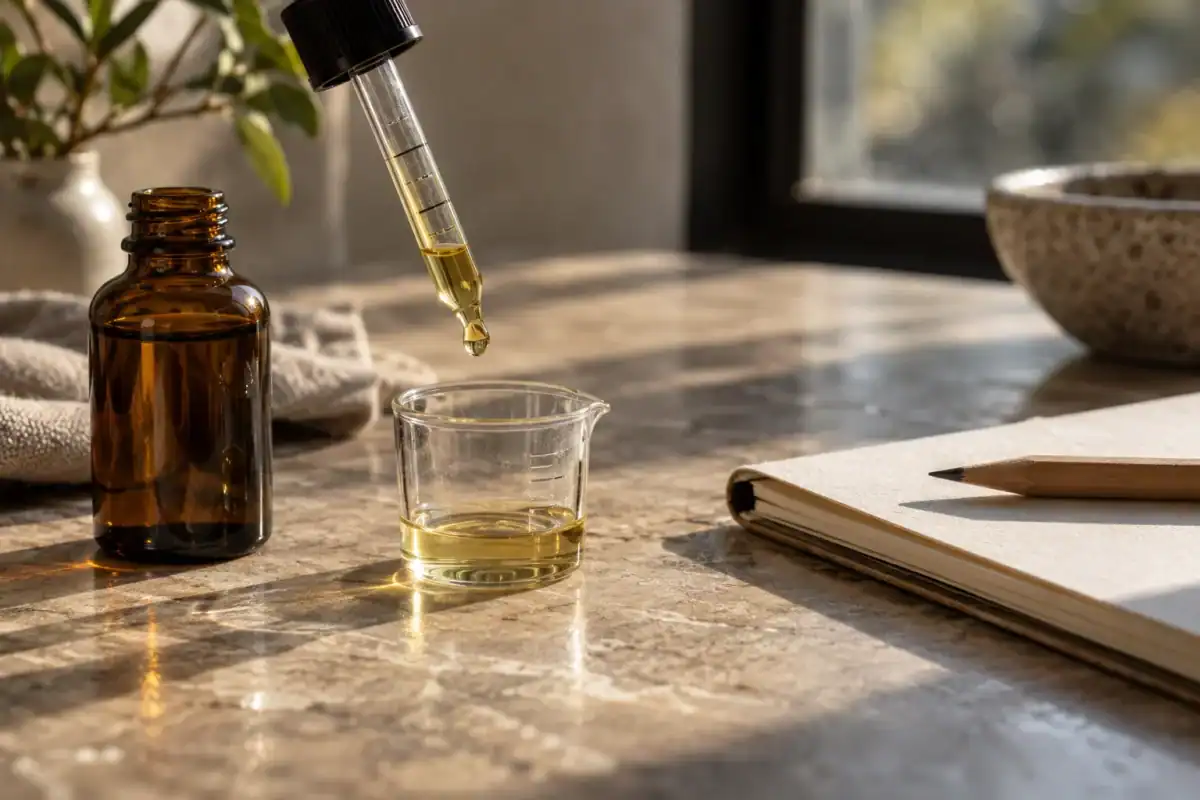
A phone camera can shift white balance and exposure automatically. Warm indoor bulbs can make pale oil look orange; blue daylight can make the same oil look lighter. Compare photographs only when the lighting, background and camera settings are reasonably similar.
Separate color from other changes
Describe the observation before interpreting it.
| Observation | Useful description | Better next resource |
|---|---|---|
| Clear oil became darker but stayed transparent | Color change | Continue with this guide |
| Oil became hazy or opaque | Clarity change | Cloudy CBD oil guide |
| Crystals, sediment or layers appeared | Physical separation | Cloudiness and batch-support workflow |
| Odor or flavor became rancid, paint-like or chemical | Sensory change | Changed-taste guide |
| Bottle froze or partly solidified | Known cold event | CBD oil freezing guide |
| Glass, cap, seal or dropper changed | Packaging problem | Stop and contact the seller or maker |
Several changes can happen together. A darkened, cloudy oil with a new odor requires more caution than a subtle color difference seen only under a warmer lamp.

Starting color is formula-specific
Three bottles can be correctly made and still have different starting colors.
Extract type
A highly refined isolate formula may contribute less plant color than a broad- or full-spectrum extract. Full-spectrum does not require one shade, and darker does not automatically mean “more full spectrum.”
Carrier oil
MCT is often light and visually neutral. Hemp seed and olive oils can begin with stronger yellow, green or golden tones. Agricultural source, refining and natural variation also matter. The carrier-oil comparison explains these differences without ranking a bottle by color.
Flavor and other ingredients
Mint, citrus and botanical flavor systems can introduce their own pigments or change the way a liquid looks. Check the full ingredient list rather than attributing every color to CBD.
Processing and packaging
Filtration, extract refinement, mixing and the color of the bottle affect appearance. Amber glass is designed to reduce light exposure, but it also makes the liquid look darker through the container.

Light, heat, air and time
CBD and carrier oils are chemical systems that can change during storage. Light, elevated temperature and oxygen may act separately or together, and their effect depends on the formulation.
Light
Light can contribute to photochemical change. The amount reaching the liquid depends on intensity, duration, wavelength and packaging. An amber bottle reduces some exposure; it does not make a product invulnerable on a sunny windowsill.
Heat
Higher temperature can accelerate chemical reactions and carrier-oil oxidation. A car, delivery box, bathroom shelf or cabinet above an appliance may experience conditions unlike a stable room cupboard.
Oxygen
Every opening exchanges some headspace air. A loose cap, damaged closure or bottle left open creates a different exposure history than normal brief use.
Time
Even correctly stored products have a labeled shelf-life context. Time interacts with formula, container, opening frequency and storage. A date alone does not diagnose color, but an expired or unknown bottle deserves additional caution.
For preventive practices, follow the exact label and Mood's CBD oil guide.
What controlled research found
A 2026 study tested a defined 3% CBD-isolate formulation in MCT oil. Researchers varied light exposure, container type, air exposure and temperature over 192 days. Clear vials under light showed the largest combined color change and CBD loss; light with elevated temperature produced stronger change than some single conditions.
The important limit is equally clear: visible yellowing could not directly quantify CBD degradation or identify the specific products formed. The experiment used a controlled isolate/MCT model, not every full-spectrum retail formula.
A 2021 study of CBD powder and CBD in sunflower oil also found that temperature, time, humidity and oxygen influenced stability under defined conditions. Orange-to-brown change and increased viscosity appeared in stressed oil samples. Those high-temperature and open-vial conditions are evidence about that experiment, not a household expiration clock.
An earlier analysis of commercial CBD oils documented large differences in starting color, carrier, terpene profile and oxidation markers. That supports baseline-specific interpretation: two legitimate products can look different before either one has aged.
What purple or red color does not prove
Laboratory literature describes purple coloration in specific CBD-containing solutions and chemical conditions. One study examined light-aged CBD e-liquid made with propylene glycol and vegetable glycerin. Other chemistry papers discuss alkaline reactions used to identify cannabinoids.
Those systems are not ordinary oral CBD oil. A consumer should not infer that a purple retail bottle contains a particular oxidation product, and should never add chemicals to reproduce a color test. A red or purple shift is simply a reason to stop, document and contact the maker.
Color is not a potency test
No visual shade corresponds to a reliable milligram-per-milliliter value. A darker carrier can contain less CBD than a pale carrier. Flavoring can alter appearance without changing the labeled amount. Conversely, a clear bottle can still be mislabeled.
Potency requires a quantitative method applied to a defined sample. Read the label in milligrams and milliliters, then use a matching report where available. The CBD oil strength guide explains concentration math without visual shortcuts.
Color is not a contamination screen
Some contaminants have no visible color. Natural pigments can be visible without being contaminants. Therefore:
- normal color does not prove purity;
- dark color does not prove contamination;
- a matching color does not prove batch identity;
- a laboratory report covers only its named sample and tested panels.
Use the CBD COA reading guide to separate potency, pesticides, metals, solvents and microbial panels. Do not call a potency-only document a full safety test.
A neutral-light documentation workflow
1. Pause and keep the bottle intact
Close the cap and keep the bottle upright. Do not discard, transfer or filter it. Preserving the original package preserves the lot and evidence.
2. Choose neutral indirect light
Place the bottle against a plain white or gray background near indirect daylight. Avoid direct sun, colored walls, warm lamps and camera filters.
3. Photograph multiple views
Capture the whole bottle, liquid against the background, bottom, neck, cap and dropper. Include the packaging condition without exposing private order information publicly.
4. Record what changed
Use ordinary language: pale gold to darker amber, yellow to orange, greenish to brown, or a new red/purple cast. State whether clarity and viscosity also changed.
5. Reconstruct storage history
Note time since opening, direct light, heat, cold, vehicle storage, delivery conditions, a loose cap or frequent opening. Mark uncertainty honestly.
6. Check product identity
Record formula, carrier, flavor, bottle size, lot, date marks and storage directions. Do not compare with a different product page image.
7. Contact support
Send the neutral photographs and factual timeline. Ask whether the observed range is expected for that product and batch, and what disposition the company recommends.
Why Did My CBD Oil Change Color Mistakes to Avoid
- Do not taste an uncertain oil to determine whether it is spoiled.
- Do not place it in sunlight to “see the true color.”
- Do not heat, microwave, boil or refrigerate it as a diagnostic experiment.
- Do not add another oil, flavoring or chemical.
- Do not filter out dark material or transfer the contents.
- Do not compare it with an online color chart marketed as a potency scale.
- Do not assume shaking reverses chemical change.
These actions change the sample, increase exposure or destroy traceability without producing a reliable answer.
When to stop and contact support
Hold the product when there is:
- a rapid, dramatic or unexplained color shift;
- new rancid, fermented, paint-like or chemical odor;
- particles, haze, layers, bubbling or unexpected pressure;
- leakage, broken seal, cracked bottle or damaged dropper;
- exposure far outside the labeled storage conditions;
- expired or unreadable date and batch information;
- symptoms after use.
For urgent symptoms, contact emergency services or poison control as appropriate. CBD can involve medication interactions and other risks unrelated to color; consult a qualified clinician when health consequences matter.

Checking a Mood CBD oil
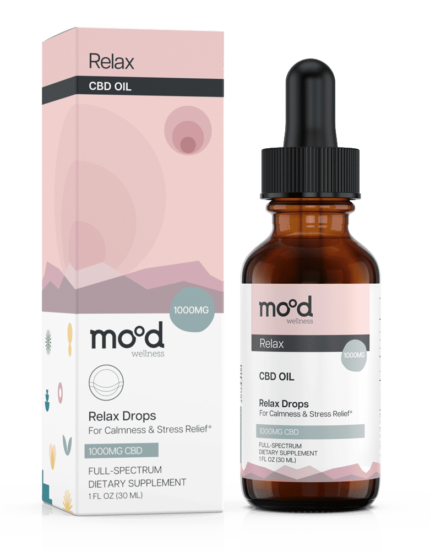
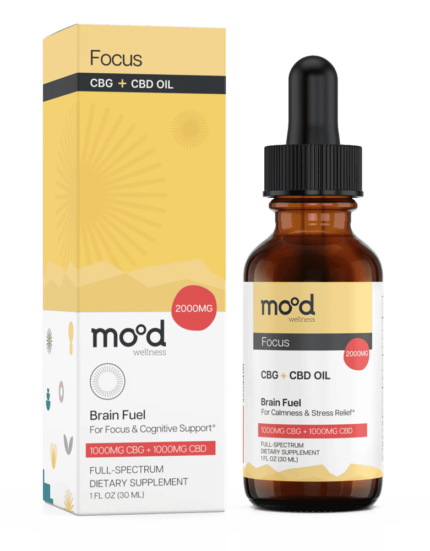
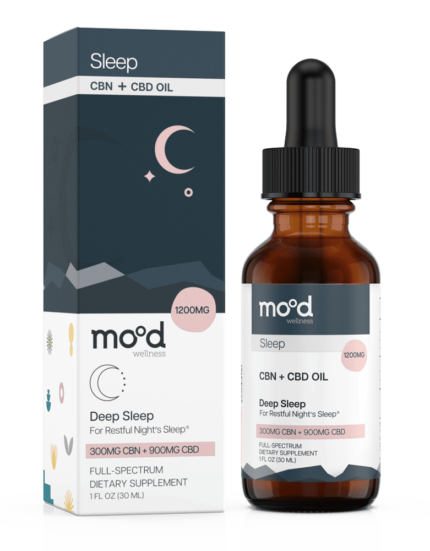
For a Mood bottle, verify the exact formula, carrier, flavor, bottle size, lot, date marks and storage language. Then use Mood's lab-results directory to look for a product- and batch-matched document.
During our September 2026 review, several publicly linked Mood reports were older potency-only files. They can describe the named sample and reported analytes, but they do not prove the present condition of a differently stored bottle or establish full contaminant coverage.
Send support:
- product and size;
- lot and date marks;
- purchase source and opening date;
- neutral-light photographs;
- original and current color descriptions;
- storage and exposure history;
- any accompanying clarity, odor, texture or package change.
If replacement is recommended, compare current formulas in the Mood CBD oils collection. A new bottle should be treated as a new baseline, not as proof of what happened to the old one.

Bottom Line: Why Did My CBD Oil Change Color
CBD oil color starts with the formula. Extract, carrier, flavor, processing and bottle tint can produce different legitimate shades. A shift from that product's own baseline deserves documentation, particularly when it is rapid or accompanied by odor, particles, separation or damage.
Color alone cannot identify oxidation products, quantify CBD, detect contaminants or certify safety. Keep the bottle intact, photograph it in neutral light, record its storage history and ask the manufacturer about the exact lot.
Quick answers
Frequently asked questions about Why Did My CBD Oil Change Color? What Appearance Can, and Cannot, Tell You
What is the practical answer about Why Did My CBD Oil Change Color? What Appearance Can, and Cannot, Tell You?
CBD oil color starts with the formula. Extract, carrier, flavor, processing and bottle tint can produce different legitimate shades. A shift from that product's own baseline deserves documentation, particularly when it is rapid or accompanied by odor, particles, separation or damage. Color alone cannot identify oxidation products, quantify CBD, detect contaminants or certify safety.
Which Mood product fits this topic?
Relax Drops is the most relevant Mood option for this topic. Mood Relax Drops provide a clearly labeled CBD oil format for shoppers who want flexible serving control and an easy way to build CBD into a daily or evening routine.
What should I compare before choosing a oil?
Compare the cannabinoid amount per measured serving, the complete ingredient list, spectrum or THC information, current product directions and available batch documentation. The best choice is the formula that fits the goal and is easy to use consistently.
How should I start using a new CBD or cannabinoid product?
Follow the current package directions, choose a low-demand first-use window and keep timing and meal context reasonably consistent. Review medication, pregnancy, liver and impairment considerations with a qualified clinician when relevant.
Sources
- Ryu B-R, et al. “Storage-induced color change as an indicator of Cannabidiol degradation in MCT oil.” Industrial Crops and Products. 2026;247:123456. DOI: 10.1016/j.indcrop.2026.123456.
- Kosović E, et al. “Stability Study of Cannabidiol in the Form of Solid Powder and Sunflower Oil Solution.” PMCID: PMC8003596.
- Citti C, et al. “Quality Traits of ‘Cannabidiol Oils’.” PMCID: PMC6100014.
- “CBD hydroxyquinone photo-isomerises to a highly reactive intermediate.” PMCID: PMC10147596.
- U.S. Food and Drug Administration. Consumer information on cannabis-derived compounds including CBD. Accessed September 9, 2026.
- U.S. Food and Drug Administration. What the FDA is Doing to Protect Consumers from Cannabidiol (CBD) in Foods. Accessed September 2026.