Start with the definition
What the comparison really means
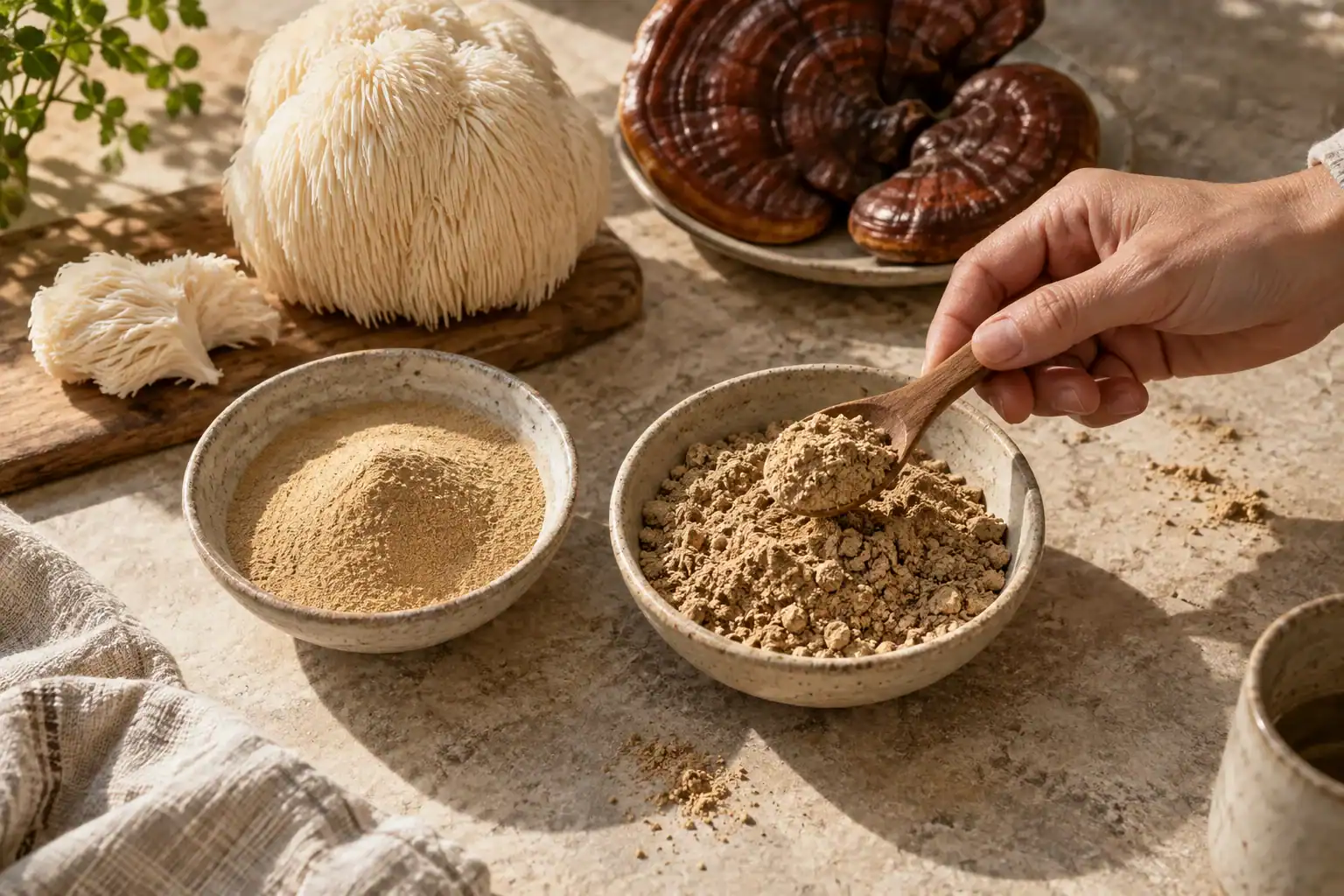
Mushroom powder is generally dried material milled into a powder, while mushroom extract uses a solvent such as hot water to pull selected soluble compounds into a concentrated ingredient. Quality still depends on species, source material, extraction method, measured beta-glucans and contaminant testing.
A search for mushroom extract versus mushroom powder often begins with a format name or a claim on the front panel. A sound comparison instead follows species, source material, extraction method and measured composition. That shift matters because two products that look similar at first glance can disclose different ingredients, serving definitions and verification records.
This page has a deliberately narrow role in Mood’s content architecture. It helps readers compare mushroom powder with mushroom extract; it does not replace the broader ingredient guides linked below. Keeping that boundary prevents several articles from competing for the same search intent.
Side-by-side decision
Mushroom powder vs. Mushroom extract
| Question | Mushroom powder | Mushroom extract |
|---|---|---|
| Process | Dried material is milled | Selected compounds are extracted and dried |
| Label question | What material was powdered? | Solvent, ratio and standardization? |
| Useful assay | Species identity and beta-glucans | Species identity and beta-glucans |
| Common misconception | Powder always means fruiting body | Extract always means stronger |
Use this table to organize a concentrated extract and milled whole material, then verify species, fruiting body or mycelium, extract ratio, carrier and beta-glucan method on the current package. The columns describe practical differences, not a universal winner; formulation and batch evidence can outweigh the format category.
From search query to purchase
A practical decision path for mushroom extract vs powder
Define the purchase question before opening product tabs. For mushroom extract versus mushroom powder, decide whether the priority is species, source material, extraction method and measured composition. Write that priority in one sentence and reject any candidate whose label cannot answer it. This creates a reproducible comparison and prevents a familiar format or bold front-label phrase from deciding the purchase by default.
Begin with two candidates, one representing mushroom powder and one representing mushroom extract. Copy the serving size, named active material and every disclosed amount into the same worksheet. Then record the source or extract description, additional actives, THC when applicable, allergens, sweeteners and storage directions. Empty fields are evidence too: they show which questions the label does not answer.
Use the first quality check, “Name the organism,” before comparing price. Common names can refer to related species with different chemistry. A useful label includes the Latin binomial, such as Hericium erinaceus for Lion’s Mane. The next check, “Read extraction ratios carefully,” prevents a common shortcut. A 10:1 statement may describe input mass relative to extract output, but industry practices and moisture assumptions vary. It is not ten times the clinical effect. These two checks remove many weak options before subjective preferences such as flavor, packaging or online reviews enter the decision.
Compare cost only after normalizing the serving. For mushroom extract versus mushroom powder, record species, source material, extraction solvent, extract ratio, beta-glucans, serving weight and contaminant testing, then calculate price per complete labeled serving. A lower package price is not better value when the relevant amount is hidden, the serving requires multiple pieces, or documentation cannot be tied to the current lot.
Finally, identify the next-best alternative. Someone choosing mushroom powder for flexibility may still prefer mushroom extract for travel; someone prioritizing a short ingredient list may make the opposite choice. Recording the tradeoff makes the decision reversible and reduces the urge to defend a purchase after the fact. It also gives a clear reason to stop using a product when it does not meet the original goal.
Keep a dated record of species, source material, extraction solvent, extract ratio, beta-glucans, serving weight and contaminant testing. Save the label and matching batch document used on purchase day because formulas, serving directions and laboratory links can change. Recheck the current version before reordering; the product name alone does not prove that a later lot is identical.
Decision rule:
For mushroom extract versus mushroom powder, prefer the option that discloses species, fruiting body or mycelium, extract ratio, carrier and beta-glucan method and supports the intended routine with the fewest assumptions. Treat missing fields as unresolved questions, not as evidence of quality.
Ten checks that change the decision
How to compare products without guessing
1. Name the organism
Common names can refer to related species with different chemistry. A useful label includes the Latin binomial, such as Hericium erinaceus for Lion’s Mane.
What to do: Reject blends that hide individual species behind a generic mushroom total.
2. Identify the source material
Powder may come from fruiting body, mycelium, substrate or a combination. Extract can also begin with any of those materials.
What to do: Look for an explicit source statement rather than inferring it from the word powder.
3. Understand hot-water extraction
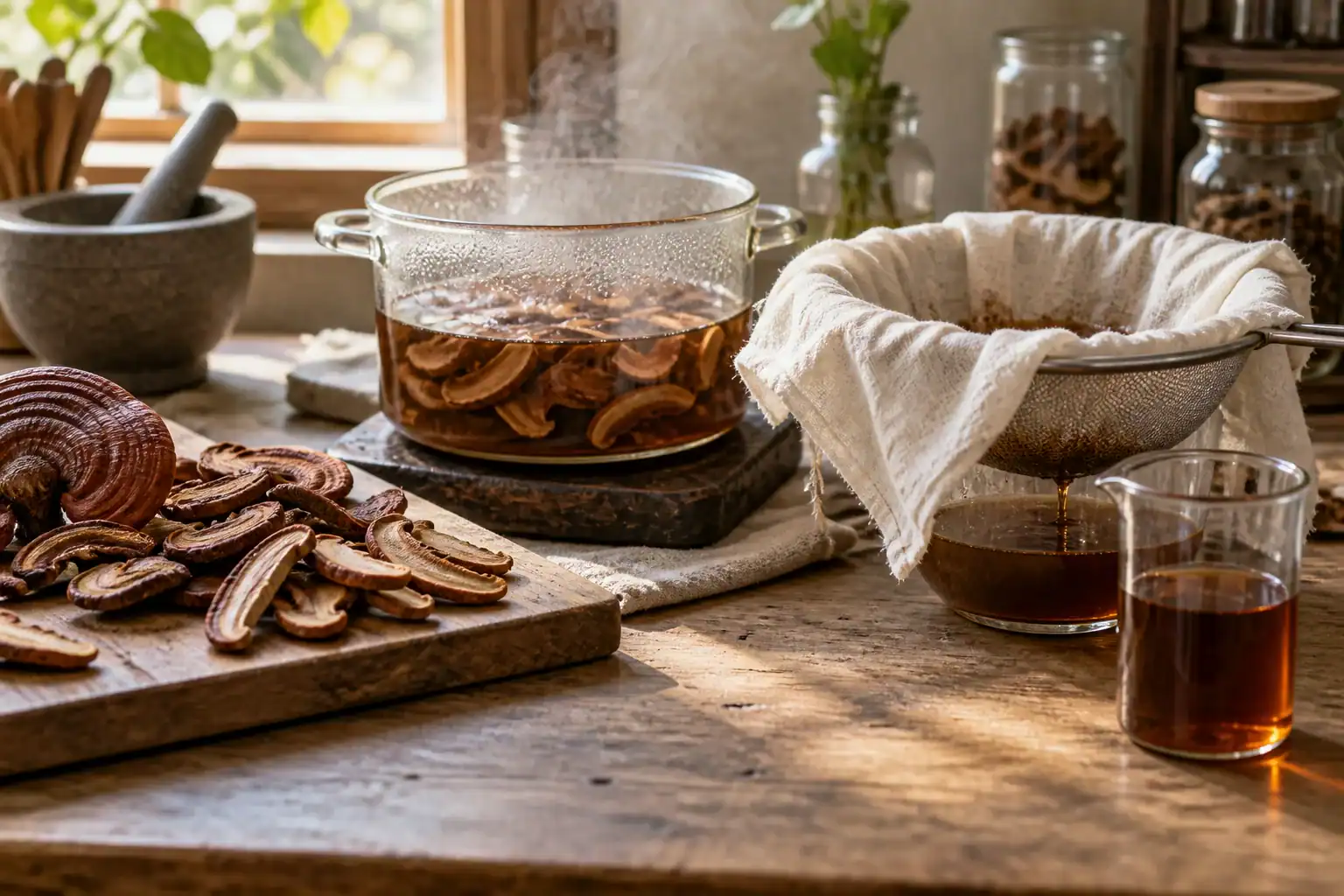
Hot water is commonly used for water-soluble mushroom components, including many beta-glucans. The resulting liquid is concentrated and dried.
What to do: Treat the method as process information, not a guarantee of a clinical effect.
4. Understand alcohol extraction
Alcohol can be used alone or after hot water to target less water-soluble compounds in some species. Dual extract is meaningful only when the method and final composition are disclosed.
What to do: Do not assume dual extraction is necessary for every mushroom or every use.
5. Read extraction ratios carefully
A 10:1 statement may describe input mass relative to extract output, but industry practices and moisture assumptions vary. It is not ten times the clinical effect.
What to do: Pair the ratio with serving size and measured composition.
6. Prefer beta-glucans to polysaccharides
Polysaccharide tests can include starch from grain or fillers. Beta-glucan reporting is more specific to a key fungal carbohydrate class, though it still does not prove efficacy.
What to do: Look for a method-backed beta-glucan value and avoid treating it as a medical score.
7. Check starch context
Myceliated grain ingredients can carry residual grain starch. That is not automatically unsafe, but it changes what the serving contains.
What to do: Use source disclosure and testing to understand the ingredient rather than relying on purity slogans.
8. Compare the finished serving
A concentrated extract at a tiny amount may deliver less characterized material than expected; a larger powder serving may be harder to use consistently.
What to do: Compare actual grams or milligrams, standardization and format.
9. Verify identity and contaminants
Mushrooms can accumulate environmental contaminants, and botanical supply chains face substitution risks.
What to do: Favor species verification plus heavy-metal, microbial and other appropriate panels.
10. Match format to routine
Powder may suit food and drinks; extracts can be easier to formulate into capsules, drops or gummies. Convenience affects consistent use.
What to do: Choose the simplest transparent format that fits the routine and dietary needs.
Evidence boundary
What research can and cannot tell you
Mushroom studies use preparation-specific materials, so a finding for one extract cannot establish equivalence for an unspecified powder. Read each study by preparation, amount, population, duration and measured outcome before applying it to a retail product. A shared ingredient name does not establish that the products are clinically equivalent.
The most defensible use of evidence here is to narrow the decision: verify species, fruiting body or mycelium, extract ratio, carrier and beta-glucan method, identify uncertainty and avoid claims the finished product has not earned. Mechanism, animal data and marketing language cannot substitute for a relevant human outcome or a matching batch record.
Mood evidence rule:
Use the evidence to test the assumptions behind mushroom extract versus mushroom powder. It can support better label questions, but it cannot promise a personal result or turn a consumer product into a treatment.
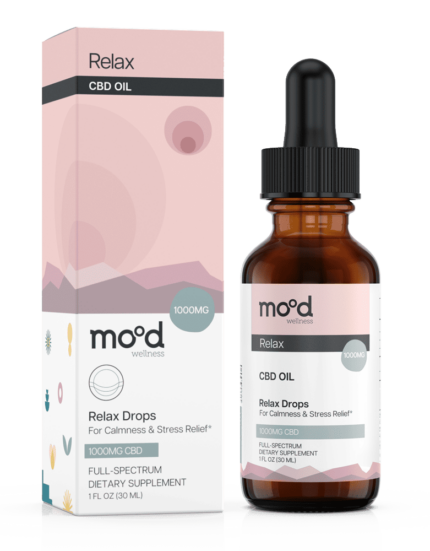
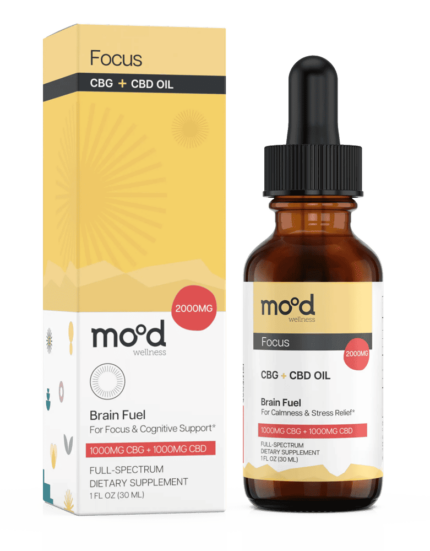
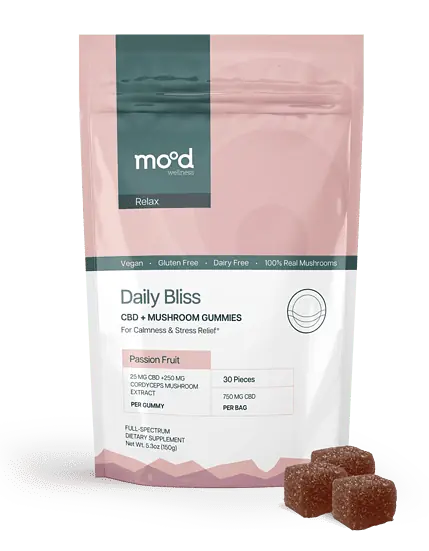
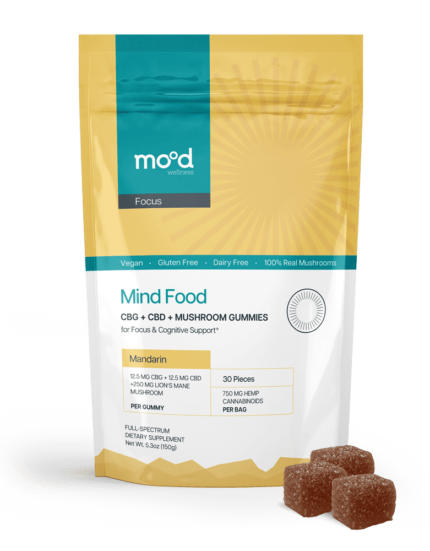
Shop with the framework: To see how disclosed extracts appear in finished formulas, compare Mood’s functional mushroom products and the current Mind Food Lion’s Mane gummies label. Mood sells these products; the links are practical examples, not evidence that an extract is universally superior.
Label and batch check
Read the finished product, not just the headline ingredient
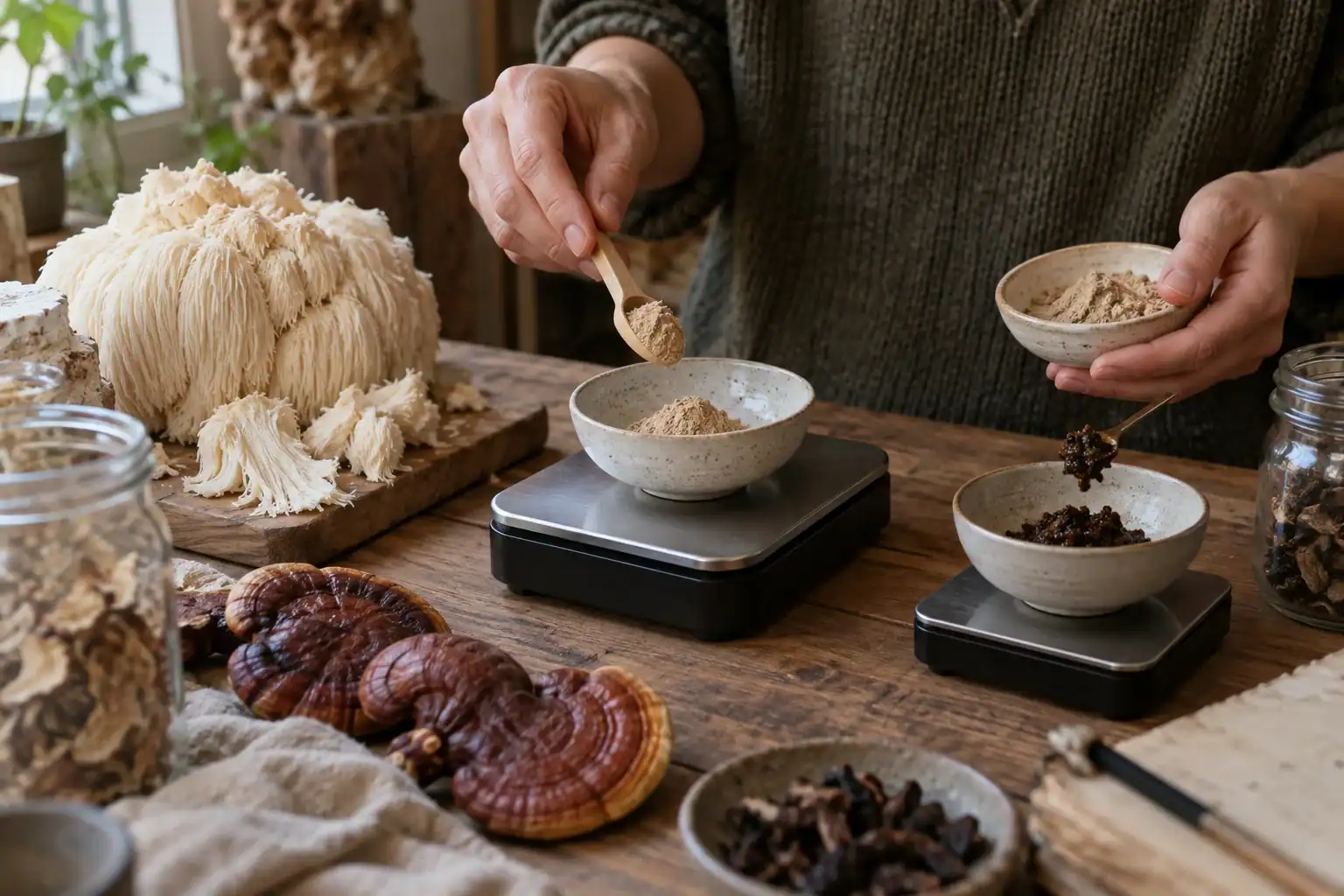
Start with the complete serving and transcribe species, fruiting body or mycelium, extract ratio, carrier and beta-glucan method. Do not mix bottle totals, per-piece amounts and per-serving amounts in the same comparison. If an active blend hides individual quantities, record the disclosure as incomplete rather than estimating it.
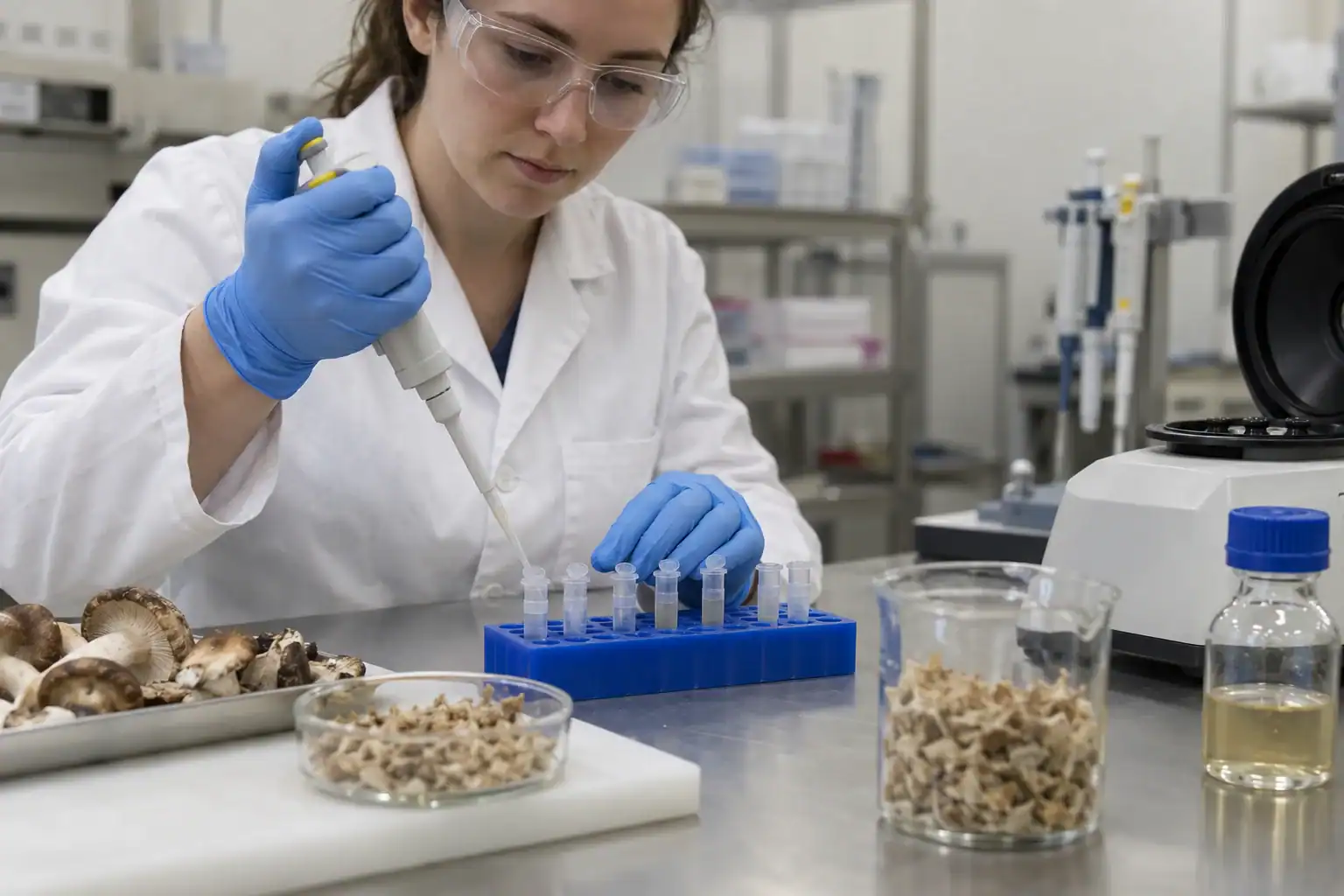
Match the exact product and lot to its current documentation. For mushroom extract versus mushroom powder, the most relevant checks include species, source material, extraction solvent, extract ratio, beta-glucans, serving weight and contaminant testing. Potency or composition and contaminant screening answer different questions, so confirm what each report actually tested.
For mushroom extract versus mushroom powder, compare the document with the package line by line: product name, lot, dates, units and relevant measurements should agree. A PDF link by itself is not verification. Mood’s certificate-of-analysis guide provides the complete checking workflow.
Make the choice observable
Use a simple personal evaluation
- Define one goal. Choose a practical outcome that can be observed without diagnosing a condition.
- Keep the product constant. Do not alternate formulas during the first comparison.
- Follow the label. Do not copy a research dose or another person’s routine.
- Keep context stable. Food, caffeine, bedtime and activity can change the experience.
- Record unwanted effects. More is not the solution to dizziness, excessive drowsiness, nausea or discomfort.
Make the comparison observable by recording species, source material, extraction solvent, extract ratio, beta-glucans, serving weight and contaminant testing. Keep other variables as stable as practical and judge the result against the amount and identity of actual fungal material per serving. Stop rather than escalating when an unwanted effect or a quality concern appears.

Safety and limits
When comparison becomes a health question
Move beyond ordinary shopping advice when mushroom extract versus mushroom powder intersects with pregnancy, breastfeeding, childhood use, surgery, liver disease, a significant symptom or prescription medication. A clinician or pharmacist can evaluate the individual risks that a general label guide cannot.
The topic-specific cautions are allergy, digestive intolerance, undisclosed grain substrate and contamination. Do not drive or perform safety-sensitive work until the effect of a cannabinoid-containing formula is known, and do not assume a hemp label guarantees a negative drug test.
Keep mushroom extracts and powders in their original labeled container, secure the closure and follow the product-specific directions. Store them away from children and pets. In the United States, call Poison Control at 1-800-222-1222 after a suspected accidental ingestion and use emergency services for severe symptoms.
Quick answers
Mushroom Extract vs. Powder questions
Is mushroom extract vs powder a medical recommendation?
No. The comparison of mushroom extract versus mushroom powder is an educational label and format guide, not a diagnosis, treatment recommendation or personalized serving instruction.
What should I compare first?
Start with species, fruiting body or mycelium, extract ratio, carrier and beta-glucan method. Those fields reveal whether two candidates can be compared fairly before price, flavor or marketing claims enter the decision.
Does a higher number mean a better product?
No single number decides quality. Interpret it alongside species, source material, extraction method and measured composition, the complete serving and the documentation for the current lot.
How can I verify quality?
Verify species, source material, extraction solvent, extract ratio, beta-glucans, serving weight and contaminant testing. The product name, lot, units and report scope should connect the package in hand to the evidence being reviewed.
When should I ask a professional?
Ask a qualified clinician or pharmacist when allergy, digestive intolerance, undisclosed grain substrate and contamination or another personal health factor changes the risk. Seek urgent care for severe symptoms.
Evidence and transparency
Sources and editorial review
- Functional mushroom definition guide
- Review of mushroom beta-glucans
- Recent functional mushroom review
- FDA dietary supplement information
Commercial disclosure: Mood Wellness publishes this guide and sells cannabinoid and functional-mushroom products. Product examples are identified as Mood products and are not evidence of a medical outcome.
Educational information only. This article is not medical advice and does not recommend changing a prescription or treating a health condition.
Written by Mood MagazineEvidence and product information checked September 9, 2026.