
What does “last” mean?
Search results often answer three distinct questions as though they were one.
| Question | What it measures | What it cannot tell you alone |
|---|---|---|
| How long do effects feel noticeable? | A subjective or measured outcome over time | How long CBD remains detectable |
| How long does CBD stay in the body? | Absorption, distribution, metabolism and elimination | How long a desired effect lasts |
| How long does a bottle last? | Volume per use and frequency | Biological duration |
The first is the focus here. Mood already has separate ownership boundaries for storage and “CBD in your system.” Keeping those questions apart prevents a half-life number or expiration date from becoming a false effects promise.
Why one duration range is unreliable
CBD pharmacokinetic research is heterogeneous. A 2023 systematic review and meta-regression grouped studies across oil-based, alcohol-based, water-based, nanotechnology, prescription and oromucosal formulations. Doses ranged widely. Dose, administration route and diet were major determinants of exposure.
That variation matters because a consumer “CBD oil” can describe:
- drops held briefly under the tongue and then swallowed;
- oil swallowed immediately;
- oil mixed into food or a drink;
- isolate, broad-spectrum or full-spectrum extract;
- different carrier oils and concentrations; or
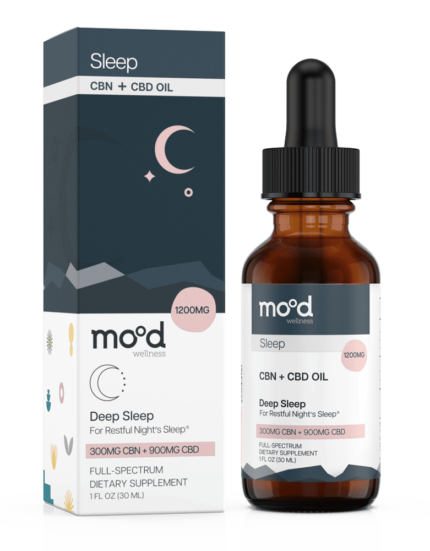
- CBD combined with CBG, CBN or other ingredients.
A study of a prescription oral solution at hundreds of milligrams does not create a clock for a 33 mg full-spectrum consumer serving. A study measuring plasma concentration also may not define when calm, discomfort or alertness changes begin or end.
Onset, peak, duration and half-life are separate
These terms are often collapsed in marketing copy:
- Onset: when a predefined effect first becomes detectable.
- Peak concentration: when measured CBD in plasma reaches its maximum.
- Peak effect: when a particular outcome is greatest; it may not match plasma peak.
- Duration: how long the predefined effect remains meaningfully different.
- Half-life: how long it takes the measured amount in the body to fall by half under the study conditions.
A 2018 systematic review reported CBD half-life estimates ranging from roughly 1.4–10.9 hours after oromucosal spray to multiple days after chronic oral administration. The authors emphasized limited and inconsistent data. Those values cannot be translated into “you will feel CBD for this long.” Repeated use can extend elimination without creating a continuous subjective effect.
Held under the tongue versus swallowed
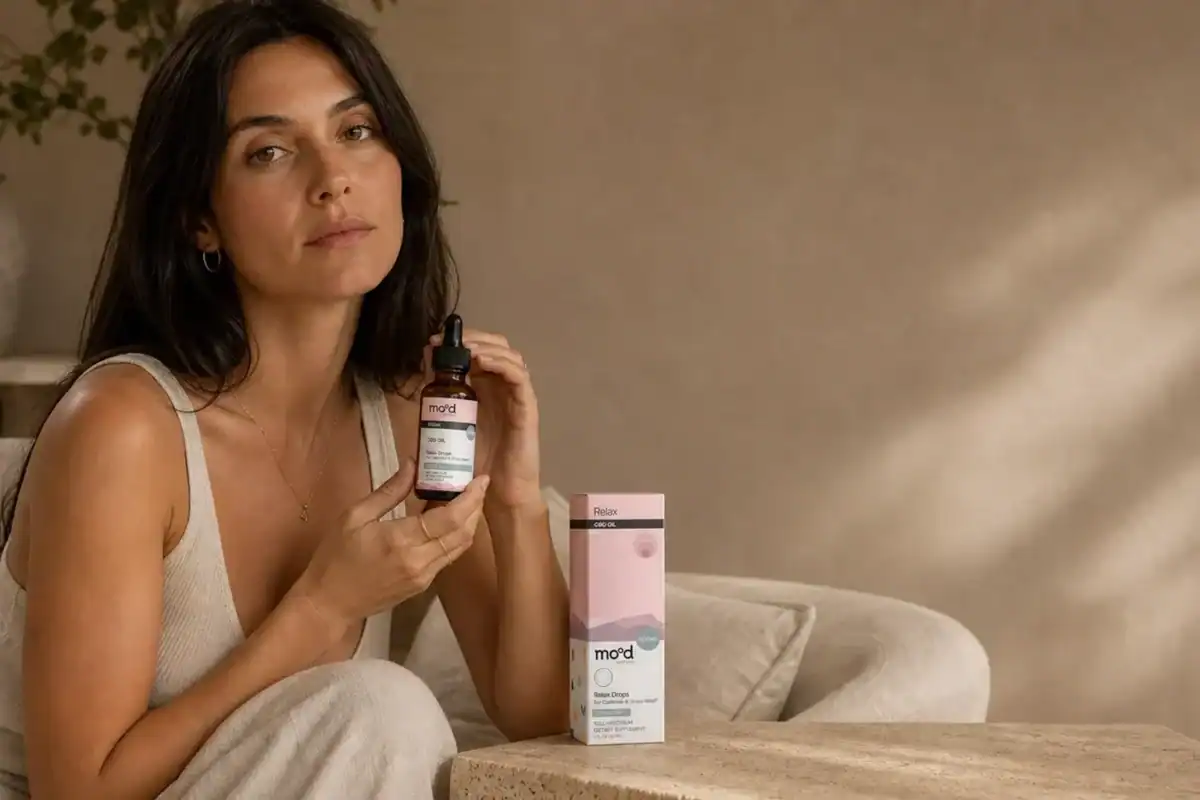
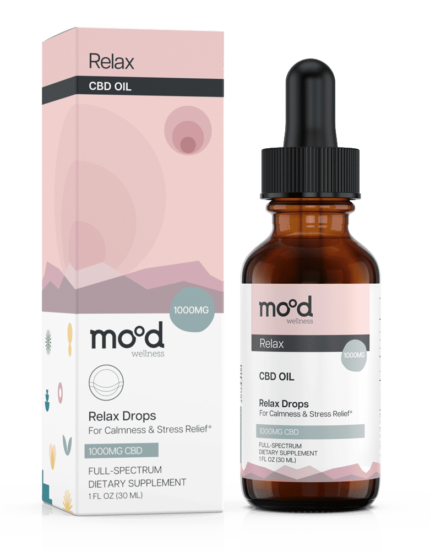
Mood’s current Relax Drops directions say to hold the measured oil under the tongue for 30–60 seconds before swallowing. In practice, some of the oil may contact the oral mucosa and some is swallowed into the gastrointestinal tract.
The exact contribution of each route depends on formulation, contact time and swallowing behavior. “Sublingual” should not be treated as a guarantee of immediate or complete mucosal absorption. Once swallowed, CBD is subject to gastrointestinal absorption and first-pass metabolism.
If you compare two personal observations, keep the method consistent:
- shake the bottle if directed;
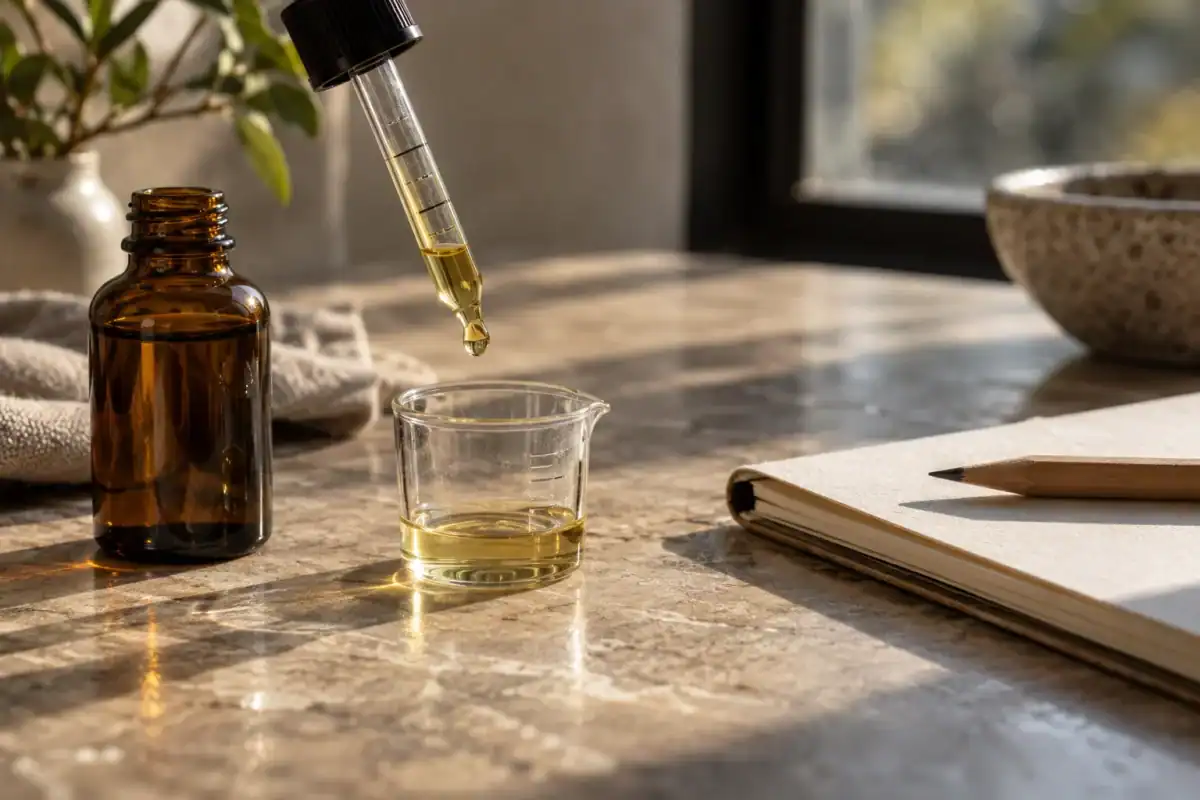
- measure the same volume accurately;
- use the same hold time;
- keep meal timing similar; and
- record rather than estimate the clock time.
This does not make the response perfectly predictable, but it reduces avoidable noise.

Food can change exposure
CBD is lipophilic, and food, especially a higher-fat meal, can materially change oral exposure. A systematic review of clinical studies found greater bioavailability in fed conditions across oral formulations.
That means the same labeled milligrams taken fasted on one day and with a substantial meal on another may not produce comparable concentration-time profiles. It does not mean everyone should add fat or that a meal guarantees longer effects. Medication directions, health conditions and clinician advice take priority.
For a useful self-observation, record whether the oil was used:
- fasted;
- with a light meal;
- with a higher-fat meal; or
- at an unknown interval after food.
Do not change food, amount and timing simultaneously and then attribute the difference to one factor.

Milligrams and milliliters: normalize the serving
Bottle totals are not serving sizes. Mood’s current Relax Drops page lists 30 mL bottles and 30 servings. It states:
| Bottle strength | Bottle volume | Stated concentration | CBD in 1 mL |
|---|---|---|---|
| 1,000 mg CBD | 30 mL | about 33 mg/mL | about 33 mg |
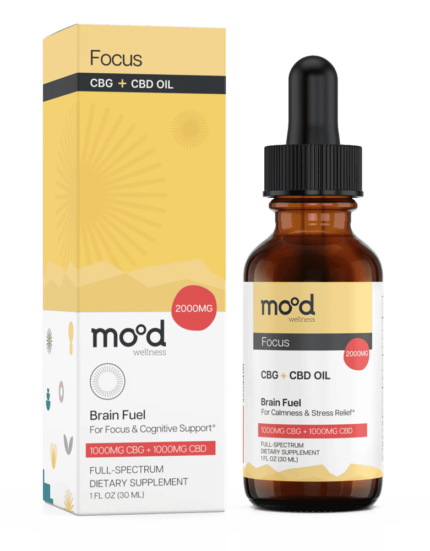
| 2,000 mg CBD | 30 mL | about 66 mg/mL | about 66 mg |
The same 0.5 mL volume would therefore represent about 16.5 mg from the 1,000 mg bottle or about 33 mg from the 2,000 mg bottle. This is label arithmetic, not a serving recommendation.
Use:
CBD milligrams used = concentration in mg/mL × measured mL
“A few drops” is a poor comparison unit because drop size varies with the dropper, oil viscosity and technique. The CBD dosage guide explains concentration math in more detail.
Does a larger amount last longer?
Not necessarily in a useful or predictable way. A larger amount can increase exposure, but the relationship between dose, concentration and a chosen effect may be nonlinear. It may also increase unwanted effects or interactions.
The question “How long did it last?” is incomplete unless you define:
- exact CBD milligrams;
- other cannabinoids and their amounts;
- administration method;
- food context;
- repeated-use history;
- the specific outcome measured; and
- what counted as the effect ending.
Increasing the amount to chase duration is not a safe substitute for professional guidance, particularly with medications or liver concerns.
Full-spectrum oil adds THC and other variables
Mood’s oils are described as full spectrum and below 0.3% THC. That concentration threshold is not the same as THC-free. Trace THC and other cannabinoids can affect how a person describes the experience and can create drug-testing risk.
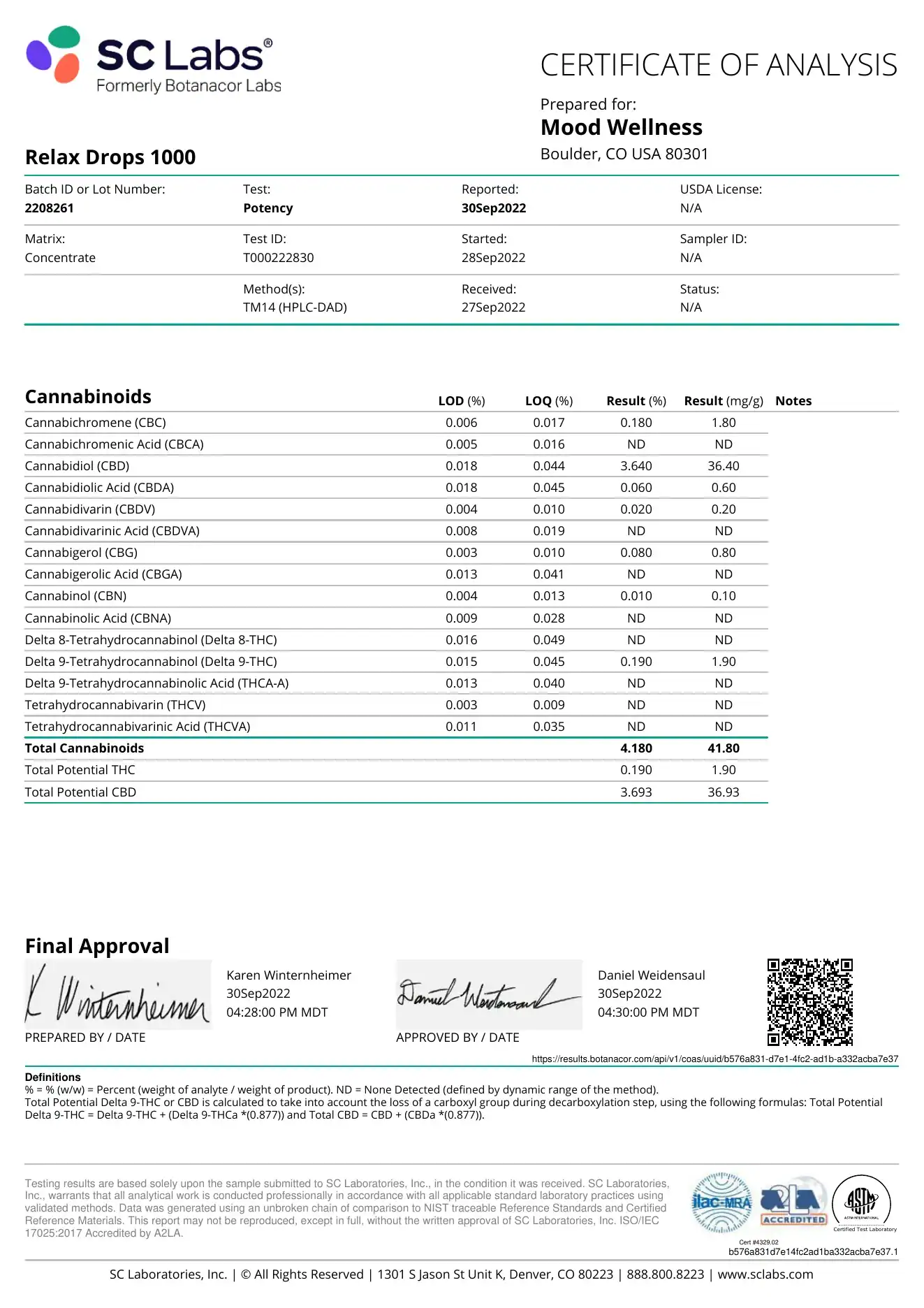
Duration also should not be inferred from a front-label “full spectrum” claim. Look at the current lot-matched certificate for the actual cannabinoid profile and units. A historical or different-strength report may not describe the bottle in hand.
People subject to workplace, athletic, legal or clinical testing should not rely on a short perceived duration as evidence that THC exposure no longer matters. Subjective effects and detection windows are different.
A safer observation window
Instead of searching for a universal clock, build a small record around one stable serving. A simple log can include:
| Field | Example of what to record |
|---|---|
| Product and lot | Exact name, strength and batch identifier |
| Formula | Isolate, broad spectrum or full spectrum; other cannabinoids |
| Amount | mL and calculated CBD mg |
| Method | Hold time, then swallowed; or mixed into food |
| Food | Fasted or meal context |
| Start time | Clock time used |
| Outcome | One predefined 0–10 measure or observable task |
| Checkpoints | Same intervals on each observation day |
| Unwanted effects | Alertness, digestion, mood or other changes |
Keep caffeine, alcohol, sleep schedule and other supplements as consistent as practical. A single day is not proof, but repeated structured observations are more informative than memory alone.
When should you reassess?
Follow the product directions and any clinician-specific plan. Avoid stacking another serving simply because you do not feel an immediate change. Oral and partly swallowed exposure may continue to develop, and food can alter the profile.
Reassessment should ask:
- Was the amount measured accurately?
- Was the route consistent?
- Did meal context change?
- Was a specific outcome tracked?
- Did alertness, digestion or mood change?
- Are other cannabinoids or medications involved?
If the goal is management of a symptom or medical condition, discuss it with a licensed clinician rather than using repeated self-escalation.
Safety, interactions and driving
FDA warns that CBD can cause changes in alertness, may affect the liver and can change how other drugs work. Alcohol and other substances that slow brain activity may increase sedation and drowsiness when combined with CBD.
Seek clinician or pharmacist guidance before use if you:
- take prescription or over-the-counter medicines;
- have liver disease or abnormal liver tests;
- use sedatives, antiseizure medicines or anticoagulants;
- are pregnant, breastfeeding or trying to conceive;
- are preparing for surgery; or
- need to avoid THC.
Do not drive or operate machinery until you know how the exact formula affects you. A duration estimate from a website does not establish fitness to drive. Stop use and seek medical advice for a concerning reaction.
How long does the bottle last?
For bottle life, use volume rather than effect duration.
Bottle days = bottle volume in mL ÷ total mL used per day
For a 30 mL bottle:
| Daily volume | Calculated bottle life |
|---|---|
| 0.5 mL/day | 60 days |
| 1.0 mL/day | 30 days |
| 1.5 mL/day | 20 days |
| 2.0 mL/day | 15 days |
These are arithmetic examples, not recommended amounts. Account for spills, incomplete droppers and any discard date after opening. The separate storage guide owns questions about light, heat, travel and product freshness.
For a fuller volume-and-concentration comparison, use the CBD oil bottle-size calculator.
How to evaluate a Mood CBD oil
Start with the current CBD oils collection and the package in hand:
- Identify CBD-only, CBD + CBG or CBD + CBN formula.
- Record bottle volume and each cannabinoid total.
- Calculate mg/mL rather than comparing bottle totals alone.
- Measure mL consistently; do not rely on an assumed drop count.
- Match the lot to the appropriate CBD certificate of analysis.
- Record food, hold time, clock time and one defined outcome.
- Review medication, liver, alertness and THC-testing risks.
- Do not translate half-life into a promised effects window.

Bottom Line: How Long Do CBD Oil Effects Last
CBD oil does not have one reliable effects duration for every person and product. Dose, route, food, formulation, repeated use and the measured outcome all matter. Research on plasma exposure and half-life helps explain variability, but it does not prove that a consumer will feel an effect for a fixed number of hours.
Measure the actual milligrams, keep the administration context stable, log a specific outcome and reassess cautiously. If “last” means the bottle, calculate days from 30 mL divided by daily volume. If it means safety, detection or treatment, use the appropriate separate question and professional guidance.
Quick answers
Frequently asked questions about How Long Do CBD Oil Effects Last
What is the practical answer about How Long Do CBD Oil Effects Last?
CBD oil does not have one reliable effects duration for every person and product. Dose, route, food, formulation, repeated use and the measured outcome all matter. Research on plasma exposure and half-life helps explain variability, but it does not prove that a consumer will feel an effect for a fixed number of hours.
Which Mood product fits this topic?
Relax Drops is the most relevant Mood option for this topic. Mood Relax Drops provide a clearly labeled CBD oil format for shoppers who want flexible serving control and an easy way to build CBD into a daily or evening routine.
What should I compare before choosing a oil?
Compare the cannabinoid amount per measured serving, the complete ingredient list, spectrum or THC information, current product directions and available batch documentation. The best choice is the formula that fits the goal and is easy to use consistently.
How should I start using a new CBD or cannabinoid product?
Follow the current package directions, choose a low-demand first-use window and keep timing and meal context reasonably consistent. Review medication, pregnancy, liver and impairment considerations with a qualified clinician when relevant.
Sources
- Millar SA, et al. A Systematic Review on the Pharmacokinetics of Cannabidiol in Humans. 2018. PMID 30534073.
- Zamarripa CA, et al. Pharmacokinetics of Cannabidiol: A Systematic Review and Meta-Regression Analysis. 2023. PMID 36778355.
- Taylor L, et al. Food Effects on the Formulation, Dosing, and Administration of Cannabidiol in Humans. 2021. PMID 33583102.
- U.S. Food and Drug Administration. Consumer information on CBD safety, interactions, liver risk and driving.
- Mood Wellness. Relax Drops and CBD oils collection pages. Checked September 9, 2026.
- U.S. Food and Drug Administration. What the FDA is Doing to Protect Consumers from Cannabidiol (CBD) in Foods. Accessed September 2026.