
The decision in one minute
Oil prioritizes flexibility; gummies prioritize convenience
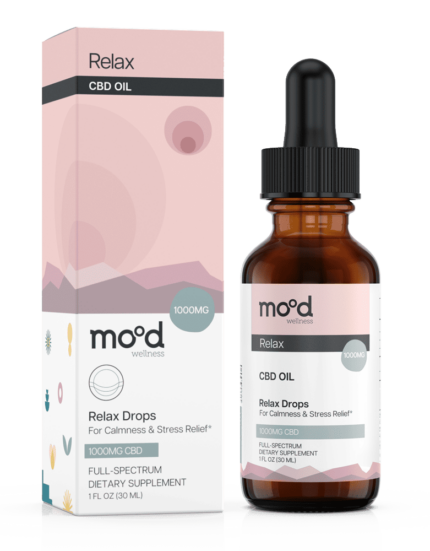
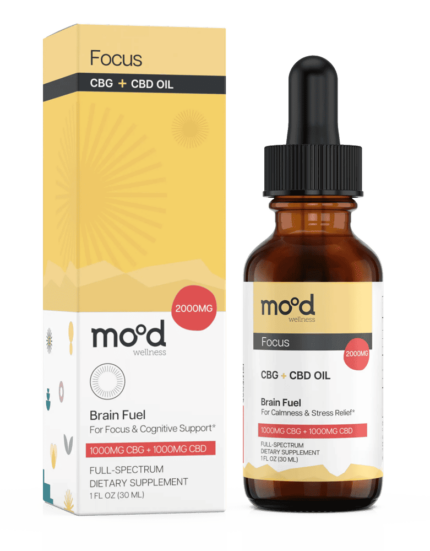
CBD oil is a liquid hemp extract in a carrier oil, typically measured with a dropper. A gummy combines a measured cannabinoid extract with a flavored chew made from sweeteners, pectin or gelatin and other food ingredients. Both formats can be full-spectrum, broad-spectrum or CBD isolate, so the package shape does not tell you whether THC is present.
You want to adjust the measured amount, prefer fewer ingredients or do not want a sweet product.
You want a portable fixed portion, prefer flavor and do not want to handle a dropper.
A format is useful only when its label is accurate. Look for CBD per serving, THC results, a lot number and a matching certificate of analysis. Marketing language such as “premium,” “maximum strength” or “nano” does not replace those details.
At a glance
CBD oil and gummies compared side by side

| Feature | CBD oil | CBD gummies |
|---|---|---|
| How it is measured | Milligrams per milliliter using a marked dropper | Milligrams per gummy or stated serving |
| Flexibility | Easy to measure smaller or intermediate volumes | Fixed portions unless a gummy is designed to divide evenly |
| Portability | Bottle must remain sealed and protected from heat and leakage | Easy to carry in original resealable packaging |
| Taste | Natural hemp and carrier-oil flavor | Flavor and sweetness mask much of the hemp taste |
| Ingredients | Usually extract plus carrier oil and flavor, if any | Sweeteners, pectin or gelatin, acids, flavors and sometimes functional ingredients |
| Onset | May feel earlier for some users when held in the mouth, but evidence is variable | Usually slower because it is fully swallowed |
| Storage | Upright, cool, dry and away from direct light | Cool and dry; heat can soften or fuse gummies |
Read the math correctly
Oil offers finer serving control, while gummies reduce measuring steps
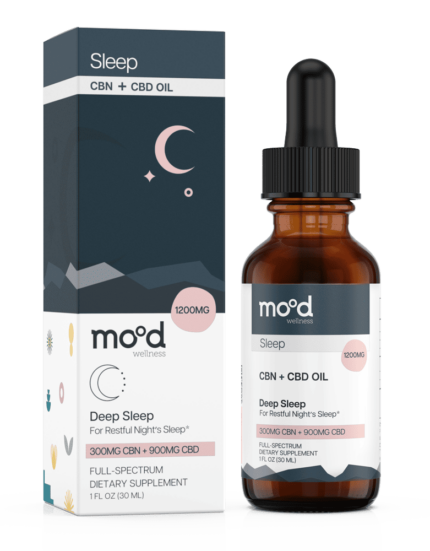
An oil label should state the total CBD in the bottle and the concentration per milliliter. If a 30 mL bottle contains 900 mg CBD, the concentration is 30 mg/mL. A half milliliter contains 15 mg. Use the printed dropper marks rather than guessing by visual fill or counting drops, because drop size changes with the dropper and liquid.
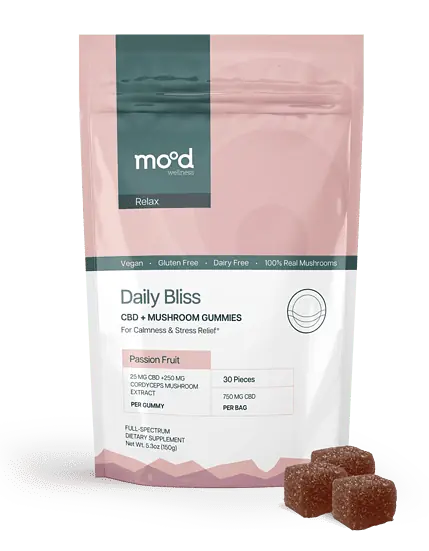
A gummy label should state CBD per gummy and the serving size. A bag containing 750 mg total across 30 gummies provides 25 mg per gummy. The front-label total may look impressive, but it is not the amount in one piece.
1
Find total CBD
Use this to understand the package, not a single serving.
2
Find volume or piece count
Oil uses milliliters; gummies use pieces and a stated serving.
3
Calculate CBD per unit
Divide total CBD by total milliliters or total gummies.
4
Include THC and other actives
The CBD number alone does not describe the whole experience.
For a broader explanation of serving decisions, use Mood’s CBD dosage guide. A clinician-reviewed plan matters when prescription medicines are involved.
Do not promise one countdown
Oil may start sooner, but swallowed CBD timing varies widely
A gummy is swallowed and moves through digestion before absorption. Oil held in the mouth may permit some absorption through oral tissues, while the remainder is swallowed. That can make oil feel faster for some people, but controlled human research has also found similar pharmacokinetic profiles between sublingual oil and the same oil in capsules.
Food, formulation, serving, use pattern and the individual can change exposure. Clinical research with purified oral CBD shows that a high-fat meal can raise blood concentrations substantially. That evidence does not justify pouring oil into food or water as a “hack.” It means consistency in meal relationship can reduce variability.
Start time is not strength
A faster beginning does not prove that more CBD was absorbed or that the effect will last longer. Compare onset, peak and duration as separate observations.
If timing is the main decision, read which form of CBD works fastest. Wait according to the product directions before reassessing either format.
The full formula matters
Gummies add food ingredients; oils add a carrier
CBD oil commonly uses medium-chain triglyceride, hemp seed, olive or another carrier oil to hold the cannabinoid extract. Some formulas add natural flavor. People with food allergies or digestive sensitivity should identify the source rather than assuming every clear oil is identical.
Gummies need structure, sweetness and acidity. A pectin gummy can be vegan, while gelatin is animal-derived. Sugar alcohols may reduce added sugar but can cause gas or diarrhea in sensitive users. Added melatonin, caffeine, mushrooms or botanicals change the formula beyond CBD and deserve their own review.
| Question | Why it matters |
|---|---|
| Is the gummy made with pectin or gelatin? | Determines vegan status and may affect texture or allergies. |
| Which sweeteners are used? | Relevant for sugar goals and digestive tolerance. |
| Which carrier oil is used? | Relevant for allergies, taste and digestive response. |
| Are other active ingredients quantified? | A named blend without amounts is difficult to evaluate. |
| Does the batch report cover the finished product? | Testing raw CBD alone does not verify the final gummy or oil. |
Format does not determine intoxication
Either oil or gummies can contain THC
Full-spectrum oil and full-spectrum gummies can retain lawful trace THC. Broad-spectrum products are intended to remove or reduce THC, and isolate products are intended to contain highly purified CBD. A complete batch report should confirm the actual cannabinoid profile.
THC can affect alertness, anxiety, driving and drug testing. A gummy is not automatically milder because it looks like candy, and an oil is not automatically stronger because it comes in a dropper bottle. Compare the milligrams of each cannabinoid in the intended serving.
- Match the report to the lot number on the package.
- Read delta-9 THC and THCA results and their units.
- Check the laboratory’s detection and quantitation limits.
- Do not treat “non-detect” as a guarantee of a negative drug test.
- Store gummies away from children and pets in their original package.
Mood’s guide to the entourage effect and extract types explains full-spectrum, broad-spectrum and isolate. If testing matters, read CBD and drug-test risk.
Compare what you can actually use
Calculate cost per milligram and cost per serving
Package price alone can make the wrong product look cheaper. Divide the price by total verified CBD to calculate cost per milligram. Then calculate the cost of the serving you intend to use. Account for whether the package provides flexible measurements or fixed portions that match your plan.
Package price divided by total milligrams of CBD. Useful for comparing concentration.
Price of the measured oil volume or gummy serving you will actually use. Useful for budgeting.
Value also includes waste and adherence. A concentrated oil may be economical but poor value if the taste prevents consistent use. Gummies may cost more per milligram but be worthwhile when portability keeps the routine simple. Include shipping, subscriptions and the number of verified lots, not just a promotional discount.
Match the product to real life
Which CBD format is better for you?
| If you prioritize | Compare first | Reason |
|---|---|---|
| Flexible measurement | CBD oil | A marked dropper allows intermediate volumes. |
| Travel and discretion | CBD gummies | No measuring and easier use away from home. |
| Minimal ingredients | CBD oil | Often a shorter formula than a flavored chew. |
| Predictable fixed portion | CBD gummies | Each verified piece provides a stated amount. |
| Avoiding sweetness | CBD oil | No gummy sweetener or acid blend. |
| Avoiding hemp flavor | CBD gummies | Flavor can make the routine more enjoyable. |
Some people keep both formats for different routines, but changing product, serving and timing at once makes it harder to understand the experience. Start with one format, keep the meal relationship and time of day consistent, and note alertness, digestion and how the routine fits.
Review how to choose a CBD product and Mood’s available lab results before purchasing.
Quick answers
Frequently asked questions about CBD oil and gummies
Are CBD gummies stronger than CBD oil?
Not automatically. Strength depends on CBD, THC and other active ingredients per serving. Compare milligrams, not product format.
Does CBD oil work faster than gummies?
Oil used in the mouth may feel faster for some people, while gummies are fully swallowed. Human evidence shows substantial variability and does not support one guaranteed countdown.
Which format is easier for beginners?
Gummies simplify measurement, while oil makes smaller adjustments possible. The easier choice is the one whose label you can read and whose routine you can follow consistently.
Can CBD oil be added to water?
Ordinary CBD oil does not dissolve evenly in water and adding it to a drink does not guarantee faster or better absorption. Use it as directed with the marked dropper.
Do gummies have more ingredients than oil?
Usually. Gummies require sweeteners, gelling agents, acids and flavors, while an oil may contain only hemp extract and a carrier. Read the complete ingredient list.
Which is better for travel?
Gummies are often easier to pack because they do not require a glass bottle or dropper. Keep them in original packaging and check destination rules before traveling.
Which is better value?
Calculate cost per verified milligram and per intended serving. Oil is often competitive per milligram, but a product you will not use consistently is not good value.
Evidence and transparency
Sources and editorial review
Research method: This comparison separates product-design differences from medical-effect claims. Human pharmacokinetic findings from purified CBD are used to explain variability, not to claim identical performance for retail gummies or oils.
- Millar SA et al. Pharmacokinetics of Cannabidiol: A Systematic Review and Meta-Regression Analysis. 2023.
- Millar SA et al. Cannabidiol Oil Ingested as Sublingual Drops or Within Gelatin Capsules Shows Similar Pharmacokinetic Profiles. 2023.
- Taylor L et al. Phase I Trial of Highly Purified Cannabidiol and Food Effect. 2018.
- Birnbaum AK et al. Food Effects on CBD Formulation, Dosing and Administration in Humans. 2021.
- U.S. FDA. Consumer Update on CBD Products.
- U.S. FDA. What the FDA Is Doing to Protect Consumers from CBD in Foods.
General educational information, not medical advice. Product composition and individual responses vary. Review medicines and health conditions with a qualified professional.
Written by Mood Editorial TeamMaterially researched and updated September 1, 2026. No clinician or dietitian review is claimed. Corrections can be submitted through Mood Wellness support.