The evidence is promising but time-limited
What human studies tell us about taking CBN every night
The strongest direct evidence for repeated use comes from a randomized, double-blind trial involving more than 1,200 adults with sleep disturbance. Participants took placebo, melatonin, or 25, 50 or 100 mg of a purified CBN ingredient each night for four weeks. Reported side effects were mild and non-serious, and their frequency did not differ significantly from placebo.
A separate randomized trial assigned 293 adults to placebo, 20 mg CBN, or CBN combined with different amounts of CBD for seven nights. It did not find an average increase in daytime fatigue, and serious treatment-related adverse events were not reported. These findings are useful because they move the discussion beyond testimonials.
Many adults tolerated a measured nightly serving for one to four weeks in controlled research.
They do not establish safety across years, pregnancy, every medicine, every health condition or every retail blend.
Duration matters. A four-week trial can support short-term tolerability, but it cannot reveal every uncommon or cumulative effect. The practical conclusion is not that daily CBN is automatically unsafe. It is that a repeat routine should remain measured, transparent and open to review.
Daily is a pattern, not a promise
Define what “taking CBN daily” means before judging it
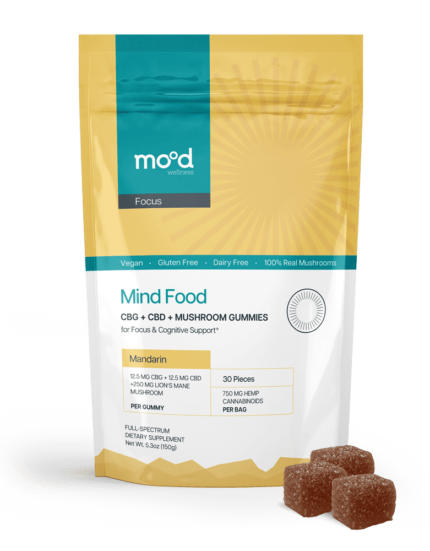
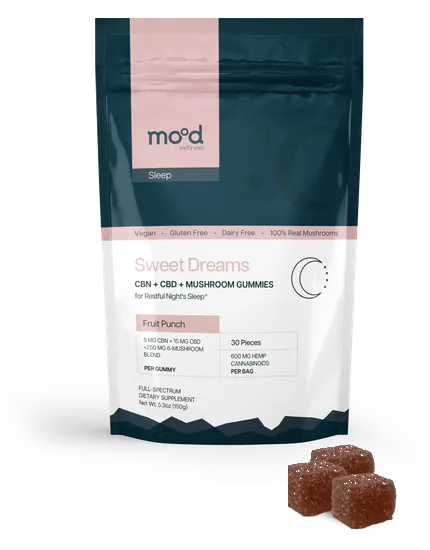
For one person, daily use means the same oil serving before bed for two weeks. For another, it means gummies containing CBN, CBD, THC, melatonin and mushrooms for months. Those routines are not interchangeable.
Record the product name, lot, complete ingredient list, amount of each cannabinoid per serving, time taken and intended review date. If the label gives only a total cannabinoid amount, it is not specific enough for a useful assessment. Mood’s guide to the entourage effect and extract types explains how isolate, broad-spectrum and full-spectrum formulas differ.
| Question | Why it changes the answer |
|---|---|
| How much CBN is in one serving? | A front-label bottle total is not the same as a nightly amount. |
| What else is active? | CBD, THC, melatonin and sedating herbs can change both benefit and next-day function. |
| How long has it been used? | Evidence over weeks is stronger than evidence over many months or years. |
| What outcome is being tracked? | A routine should have a clear goal such as fewer awakenings or a calmer wind-down. |
| What changed during the trial? | Alcohol, caffeine, stress, medication and sleep schedule can distort the result. |
The blend matters as much as the headline ingredient
Daily CBN safety depends on the complete formula
Most retail CBN products are blends. A full-spectrum oil may contain CBD and trace THC. A sleep gummy may add melatonin or botanicals. If the routine feels helpful, heavy or inconsistent, the cause may be the combination rather than CBN alone.
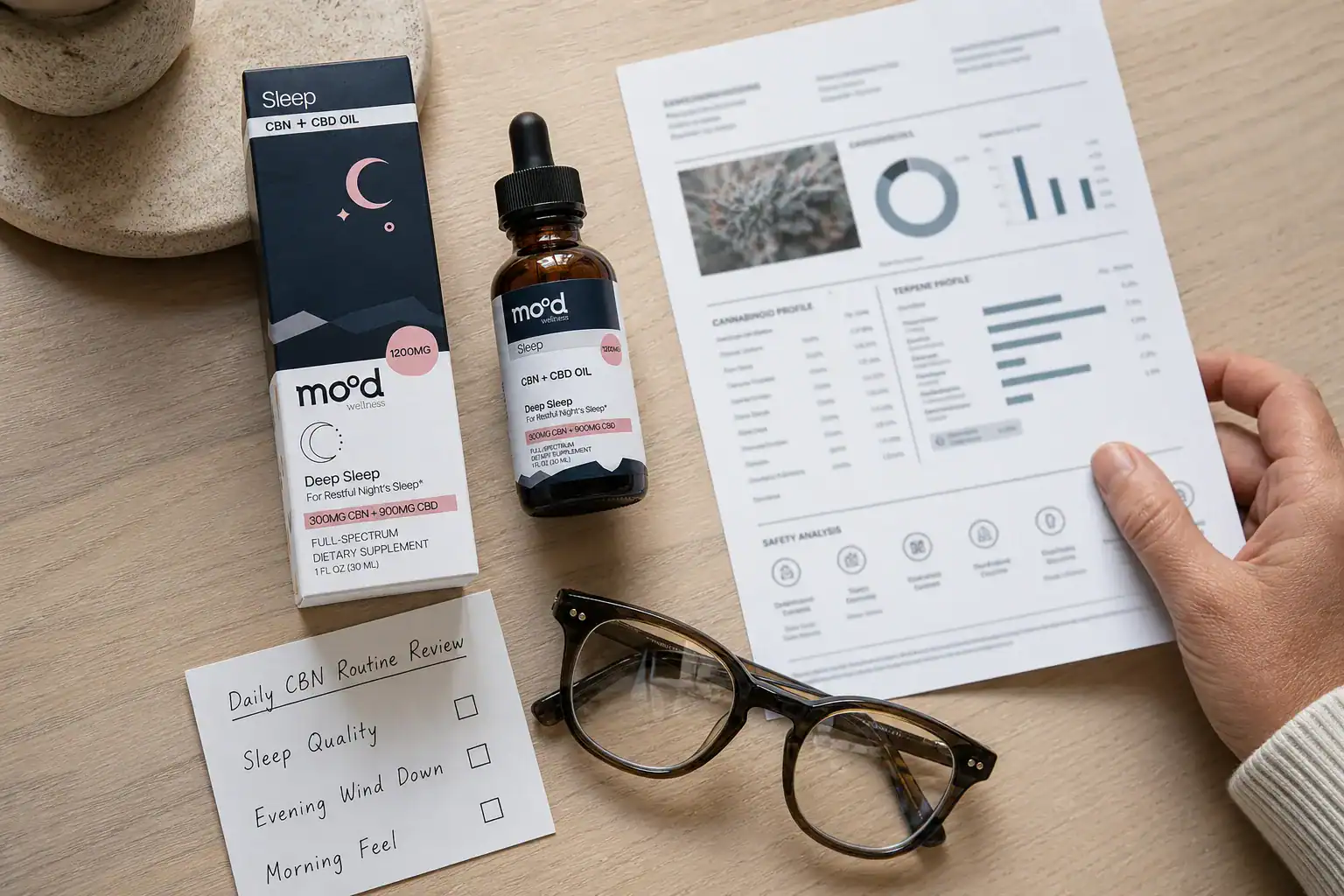
Check the serving panel and current certificate of analysis. The batch result should identify cannabinoid amounts and relevant contaminant testing. Compare the report with the product and lot in hand. A report for a different formula or old batch is not a substitute.
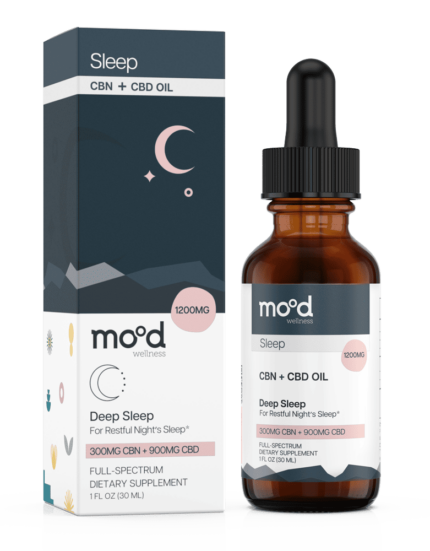
CBD deserves separate attention because human data on CBD interactions and liver enzymes are more developed than CBN data. Trace THC matters for impairment and testing. Melatonin timing can affect the morning. Review each ingredient instead of assuming the word CBN describes the whole product.
Consistency should improve clarity
Build a daily routine without chasing a stronger effect
1
Choose one clearly labeled product
Keep the formula stable so any change in sleep or morning function is interpretable.
2
Follow the labeled serving
Do not convert a bottle total into a guess or increase the amount because one night felt different.
3
Keep timing consistent
Take it at a similar time with enough opportunity for a full night of sleep.
4
Avoid early redosing
Oral products can feel delayed. A second serving can shift more exposure into the morning.
5
Change one variable at a time
Do not add alcohol, a new sleep aid and a larger CBN serving during the same evaluation.
6
Set a review date
After two to four weeks, decide whether the benefit is clear enough to continue.
For onset and evening planning, see how fast CBN may begin. A consistent routine should make patterns easier to see, not lock a person into automatic use.
Keep what earns its place
Review benefit, tolerance and next-day function
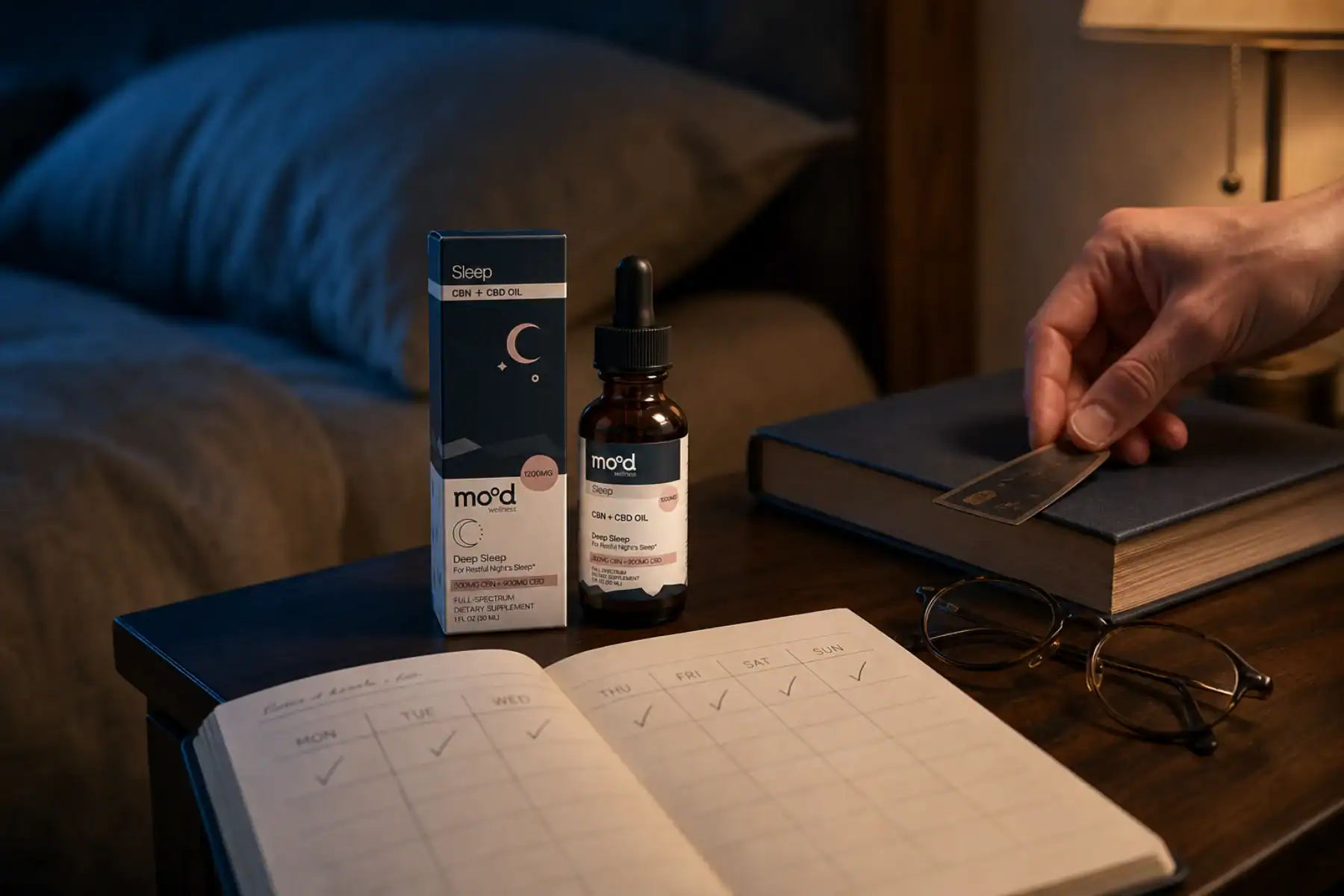
A useful daily routine should produce a repeatable advantage that matters in real life. Track sleep onset, awakenings, estimated total sleep, how refreshed you feel, morning alertness and daytime function. A one-to-five rating is often enough.
| Measure | Continue signal | Reassess signal |
|---|---|---|
| Nighttime result | A consistent improvement in the chosen sleep outcome | No meaningful change after a fair trial |
| Morning alertness | Normal waking and safe function | Repeated grogginess, imbalance or slowed thinking |
| Serving stability | The same measured serving remains useful | Frequent urge to increase the serving |
| Daytime well-being | Normal mood, concentration and energy | New fatigue, irritability or reduced performance |
| Routine fit | Supports sleep habits without replacing them | Used despite too little sleep or an erratic schedule |
Research has not established a standard pattern of CBN tolerance or withdrawal in humans. That uncertainty is a reason to observe the routine, not a reason to expect a problem. If the serving keeps rising or stopping feels difficult, pause and discuss the pattern with a clinician.
Daily exposure makes combinations more important
Review medicines, alcohol and other sedating products
Laboratory research suggests CBN can affect several drug-metabolism enzymes, including CYP3A4, CYP2D6 and CYP2C9. Human interaction data specific to ordinary CBN servings remain limited, so an in-vitro finding cannot predict the exact effect in one person. It does identify situations where professional review is sensible.
Ask a pharmacist to review the exact product when taking blood thinners, seizure medicines, opioids, benzodiazepines, sleep medicines, antidepressants, heart medicines or drugs with a narrow therapeutic range. Bring the ingredient panel and batch report rather than asking about “a sleep oil” generally.
Do not casually stack sedatives
Alcohol, antihistamine sleep aids, prescription sedatives, THC and some botanicals can add drowsiness. The safer test is one reviewed routine with enough sleep opportunity and no driving until fully alert.
For a more detailed preparation checklist, read Mood’s cannabinoid medication-interaction guide.
Some situations need individual guidance
Who should speak with a clinician before daily CBN
Pregnant or breastfeeding people should avoid creating a daily cannabinoid routine without medical guidance because direct CBN safety evidence is lacking. Children should not use consumer CBN products unless a qualified clinician is directing care.
Professional review is also appropriate for liver disease, a history of severe reactions to cannabis, untreated sleep apnea, recurrent falls, significant cardiovascular disease, upcoming surgery or multiple prescriptions. Older adults may be more vulnerable to nighttime falls, low blood pressure and medication combinations even when a product seems mild.
A clinician should evaluate persistent insomnia, loud snoring with breathing pauses, restless legs, unusual nighttime behavior or sleepiness that interferes with driving. CBN can be part of a wind-down routine, but it should not delay investigation of a treatable sleep disorder.
CBN is not the only cannabinoid in the bottle
Daily full-spectrum use can increase THC and drug-test considerations
Standard workplace cannabis tests generally look for THC metabolites, not CBN. A full-spectrum CBN product can contain lawful trace THC, and repeated exposure may make a positive result more plausible. Product labeling and batch variation also matter.
No over-the-counter hemp product can guarantee a negative test. Someone subject to workplace, athletic, legal or clinical testing should review policy before use and consider that even a current lab report cannot predict personal metabolism. Mood’s guide to CBD and drug tests explains the same spectrum and accumulation issues in detail.
A routine should improve life, not narrow it
Pause daily CBN when the tradeoff is no longer favorable
Stop and reassess if morning impairment repeats, the serving keeps increasing, sleep becomes less predictable, new dizziness or palpitations appear, or the product is being combined with alcohol or unreviewed medicines. Do not drive or operate equipment while groggy, unsteady or cognitively slowed.
Seek urgent care for trouble breathing, fainting, chest pain, severe confusion or inability to stay awake. Bring the package and all medicines. For milder recurring effects, a pharmacist or clinician can help separate the CBN product from sleep debt, medication effects and an underlying sleep condition.
A planned pause can also answer a positive question: is the product still doing useful work? If sleep remains the same without it, the routine may no longer be necessary. If a clear benefit returns when the same measured routine resumes, that pattern is more informative than habit alone.
Quick answers
Frequently asked questions about taking CBN every day
Can you take CBN every night?
Many adults tolerated nightly CBN for one to four weeks in randomized trials. Longer-term evidence is limited, so keep the formula and serving clear and review whether the routine remains useful.
Does daily CBN build tolerance?
Human research has not established a typical CBN tolerance pattern. A need for steadily larger servings is a practical reason to pause rather than keep increasing.
Can you become dependent on CBN?
CBN-specific dependence and withdrawal data are sparse. Difficulty stopping, loss of control or continued use despite impairment should be discussed with a clinician.
Is CBN safe for the liver?
Direct long-term human liver data for CBN are limited. People with liver disease or medicines affected by liver metabolism should obtain individual guidance.
Should I take breaks from CBN?
No universal break schedule has been established. A periodic planned review or pause can show whether the same benefit is still present and whether morning function changes.
Can I take CBN with melatonin?
Some products combine them, but the combination can feel more sedating and late melatonin timing may affect the morning. Review the complete formula and avoid adding separate sleep products casually.
Will daily CBN make me groggy?
Not necessarily. Trials did not show more average daytime fatigue, but some people report morning heaviness. Read the dedicated guide to CBN and morning grogginess.
Can daily CBN cause a positive drug test?
CBN itself is not the usual target, but trace THC in full-spectrum products can create risk, especially with repeated use.
Evidence and transparency
Sources and editorial review
Research method: This update prioritizes randomized human trials for repeated CBN exposure, distinguishes purified CBN from multi-ingredient retail formulas, and labels interaction findings that come from laboratory or review evidence rather than direct clinical outcomes.
- Kolobaric A et al. Randomized Trial of 25, 50 and 100 mg CBN for Sleep. Pharmaceuticals. 2024.
- Kaufmann CN et al. Double-Blind Randomized Study of CBN With and Without CBD. 2024.
- Corroon J. Cannabinol and Sleep: Separating Fact from Fiction. 2021.
- Caprioglio D et al. Cannabinol: History, Syntheses and Biological Profile. 2022.
- Alsherbiny MA, Li CG. Potential Pharmacokinetic Drug Interactions Between Cannabinoids and Medicines. 2020.
- FDA. Mixing Medications and Dietary Supplements Can Endanger Your Health.
General educational information, not medical advice. CBN research is developing, finished-product formulas vary and individual medicine review cannot be replaced by an article.
Written by Mood Editorial TeamMaterially researched and updated September 1, 2026. No sleep physician or pharmacist review is claimed. Corrections can be submitted through Mood Wellness support.