Evidence first
What do studies say about CBD and the liver?
CBD can affect liver enzymes in some people, but the evidence is mostly about swallowed, purified CBD. It does not directly answer the route-specific question readers ask about vaping.
The strongest clinical evidence comes from prescription cannabidiol and controlled oral-CBD research. The FDA prescribing information for Epidiolex calls for monitoring ALT, AST, and bilirubin because dose-related liver-enzyme elevations occurred in clinical trials, particularly alongside valproate.
A 2025 randomized FDA study looked beyond epilepsy-level dosing. Healthy adults took oral CBD at 5 mg/kg/day, equal to about 250 to 550 mg daily, for 28 days. Eight CBD participants, an estimated 5.6%, developed ALT or AST levels above three times the upper limit of normal; none in the placebo group did. Seven met the study’s withdrawal criteria for potential drug-induced liver injury. The participants did not develop clinically significant loss of liver function, and laboratory values returned toward normal after CBD was stopped.
Oral CBD can raise liver enzymes in a minority of users. Risk appears related to dose, exposure, baseline liver health, and some co-medications.
We do not have good long-term human studies that isolate CBD vaping and measure liver outcomes at typical consumer exposure.
Do not translate oral-study percentages into a vaping risk estimate.
The route, dose, formulation, and population are different. These studies show that CBD itself deserves liver-safety attention; they do not prove a specific rate of liver injury from vaping.

Route changes exposure, not the need for caution
Does vaping CBD bypass the liver?
It bypasses first-pass metabolism, not the liver entirely. Swallowed CBD travels from the digestive tract to the liver before much of it reaches general circulation. Inhaled CBD is absorbed through the lungs and reaches the bloodstream more directly. After circulating, CBD is still cleared and metabolized, including through liver enzyme systems.
This distinction changes the timing and amount of CBD reaching the bloodstream. It does not establish that vaping protects the liver. The CDC notes that the effects of different CBD routes, including smoking, vaping, eating, and topical use, are still not known.
| Question | Vaped CBD | Swallowed CBD |
|---|---|---|
| Initial absorption | Through the lungs into systemic circulation | Through digestion and the portal circulation |
| First-pass liver metabolism | Largely avoided initially | Substantial before systemic circulation |
| Onset | Usually faster | Usually slower and more variable |
| Direct liver-safety data | Very limited | More clinical data, especially for purified oral CBD |
| Can we call it liver-safe? | No | No; risk varies with dose and context |
| Additional route-specific concern | Lung exposure and aerosol contaminants | Variable absorption and food effects |
Vaping also raises a separate question about what is in the aerosol. Liver safety and lung safety are not interchangeable. Faster absorption does not mean greater safety.
Individual risk
Who should be especially cautious?
No checklist can calculate an individual’s risk, but certain factors make a clinician or pharmacist review more important.
Speak with a qualified clinician before using CBD if you:
- Have liver disease, hepatitis, fatty liver disease, cirrhosis, or previously abnormal liver tests.
- Take prescription medicines, especially medicines with a narrow therapeutic range or known liver effects.
- Use valproate, clobazam, blood thinners, seizure medicines, sedatives, or multiple medications.
- Drink alcohol heavily or combine CBD with acetaminophen or other substances that may affect the liver.
- Are pregnant, breastfeeding, under 21, or planning to use CBD frequently for an ongoing symptom.
Why medication interactions still matter with inhaled CBD
CBD can affect drug-metabolizing enzymes and transport proteins. Inhaling it does not guarantee freedom from drug interactions, because CBD reaches systemic circulation. The clinical significance depends on the exact drug, dose, timing, health history, and CBD exposure. A pharmacist needs the complete product label and CBD amount to assess the situation.
Do not stop or change a prescription to accommodate CBD without the prescriber’s direction. See our broader guide to CBD and drug interactions for the questions to bring to a medication review.
Practical safety
What should you do before vaping CBD?
1
Define the reason
If you are using CBD to manage a persistent symptom, discuss the symptom itself. Self-treatment can delay a diagnosis or a safer, better-studied option.
2
Record total exposure
Write down CBD per inhalation if available, approximate inhalations per day, frequency, THC content, and every other CBD product you use.
3
Review medicines and substances
Include prescriptions, over-the-counter medicines, supplements, alcohol, nicotine, and cannabis products.
4
Check the batch
Match the product batch number to an independent certificate of analysis and verify cannabinoid content and contaminant screening.
5
Agree on monitoring
If a clinician says CBD use is reasonable, ask whether baseline or follow-up liver tests are appropriate for your dose and risk factors.
Vape products often make serving size difficult to measure. If the label cannot tell you how much CBD is in the device and approximately how much is delivered per use, you cannot reliably track exposure. Our CBD dosage guide explains label strength and serving math for measurable formats.
Product quality
What should a CBD vape certificate of analysis show?
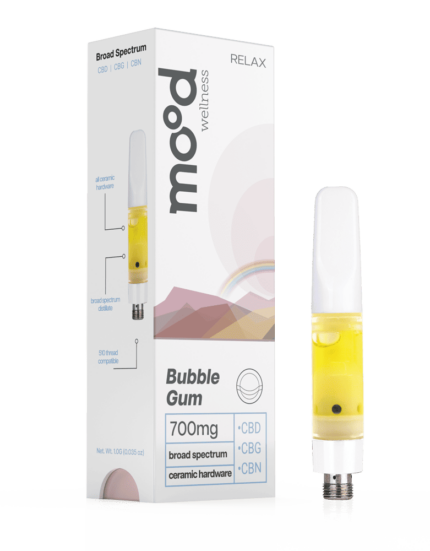
A certificate of analysis, or COA, cannot prove that vaping is safe or that CBD will not interact with a medicine. It can help verify whether the batch resembles its label and whether selected contaminants were tested.
| Check | What to verify | Why it matters |
|---|---|---|
| Batch match | COA batch number matches the device or box | A generic report may not represent your product |
| Cannabinoid panel | CBD and THC results align with the label | Unexpected THC changes impairment and testing risk |
| Contaminants | Heavy metals, pesticides, residual solvents, and microbes | Heating and inhalation create route-specific exposure concerns |
| Ingredients | Complete carrier, terpene, flavor, and additive list | “Hemp extract” alone is not adequate disclosure |
| Laboratory details | Independent lab, test date, methods, and limits | Supports traceability and interpretation |

Avoid illicit or informal-market cartridges and products with no traceable batch testing. Do not modify a cartridge, add oils, or inhale products that were designed to be swallowed or applied topically. Read Mood’s CBD buyer’s guide for a broader quality checklist.
When to act
Which symptoms need prompt medical attention?
Liver-enzyme elevations can occur without obvious symptoms, so feeling well does not confirm normal liver tests. Seek urgent medical advice if you develop yellowing of the skin or eyes, dark urine, pale stools, persistent nausea or vomiting, unusual fatigue, loss of appetite, itching, or pain in the upper-right abdomen. This is especially important after starting CBD or increasing the amount used.
Stop vaping and seek urgent care for chest pain, severe shortness of breath, blue lips, confusion, fainting, or rapidly worsening respiratory symptoms. In the United States, call 911 for an emergency or Poison Control at 1-800-222-1222 for exposure guidance.
This article cannot determine whether CBD caused a symptom.
Liver, respiratory, and medication-related symptoms can have many causes. A clinician may need an examination, medication history, and laboratory testing.
Bottom line
Vaping changes CBD absorption, not the need for caution
Direct evidence linking CBD vaping to liver injury is insufficient. Oral research shows that CBD can raise liver enzymes in some people. Avoiding first-pass metabolism does not mean avoiding the liver, medication interactions, or product-quality risks.
If you use medication, have liver risk factors, or plan frequent use, take the exact product and COA to a pharmacist or clinician. Choose transparency over assumptions, and do not treat vaping as a proven liver-sparing route.
For another safety-focused comparison, read CBD and alcohol: effects and cautions.
Quick answers
Common questions about vaping CBD and liver health
Can vaping CBD cause elevated liver enzymes?
It is biologically plausible that systemic CBD exposure could affect liver enzymes, but high-quality human studies have not established the incidence from vaping. Most documented elevations come from oral CBD research.
Is vaping CBD safer for the liver than gummies or oil?
That has not been proven. Vaping avoids initial first-pass metabolism and changes exposure, but CBD still circulates and is metabolized. Vaping also adds respiratory and aerosol-quality concerns.
Does CBD stay out of the liver when inhaled?
No. Inhaled CBD reaches the bloodstream through the lungs and initially avoids first-pass metabolism. It is still later metabolized and cleared, including by the liver.
How much CBD affects the liver?
There is no universal threshold that guarantees safety. Clinical risk varies with dose, duration, product, other medicines, alcohol use, and individual health. Consumer vape exposure can also be hard to measure.
Should I get liver tests if I vape CBD?
Routine testing is not automatically required for every consumer. Ask a clinician if testing makes sense when use is frequent, exposure is high, liver disease or abnormal tests exist, or other liver-affecting medicines are involved.
Can a COA prove my CBD vape is safe?
No. It may verify batch contents and selected contaminant tests. It cannot prove long-term inhalation safety, rule out interactions, or guarantee that an individual will not experience side effects.
Transparency
Sources and editorial review
How this guide was prepared: We prioritized current FDA and CDC guidance, the FDA-approved cannabidiol label, randomized human research, and peer-reviewed systematic reviews. Evidence from oral CBD was not presented as a measured risk for inhaled CBD.
- U.S. FDA. CDER Investigators Address the Safety of CBD in a Randomized Trial. 2025.
- Florian J, et al. Cannabidiol and Liver Enzyme Level Elevations in Healthy Adults. JAMA Internal Medicine. 2025.
- CDC. About CBD: potential harms, product uncertainty, and route-of-use unknowns.
- NIH LiverTox. Cannabidiol. Updated clinical review.
- Lo LA, et al. Cannabidiol-associated hepatotoxicity: systematic review and meta-analysis. 2023.
- U.S. FDA. Current Epidiolex prescribing information.
- NIH NCCIH. Cannabis and Cannabinoids: What You Need to Know.
Educational content only. This article does not diagnose, treat, recommend vaping, or replace advice from a physician or pharmacist. This educational page has not yet been independently medically reviewed.
Written by Mood Editorial TeamEvidence updated August 30, 2026. Read our research and product standards. An identifiable reviewer and credentials will be added only after documented clinical review.