
Start with the research
Does CBD help surfing performance or recovery?
There are no robust surfing-specific clinical trials showing that CBD improves paddling endurance, wave selection, balance, focus, recovery or injury healing.
Most claims about CBD for surfers come from athlete testimonials, sponsored content, animal studies, research in clinical populations or reviews that discuss possible biological mechanisms. Those sources can generate a research question, but they cannot establish a finished product as a surf-performance aid.
A systematic review of CBD in healthy, physically active people found only a small group of heterogeneous studies. The authors emphasized limited samples, inconsistent outcomes and the lack of sport-specific testing. Evidence did not establish improved post-load recovery. Surfing adds a further gap because ocean judgment, breath control, paddling, pop-up speed and wave reading were not the measured outcomes.
This does not prove that no adult ever perceives a benefit. It means the responsible answer is uncertain. A personal story cannot distinguish CBD from expectation, a lighter training week, better sleep, different surf conditions or natural variation.
Bottom line
CBD is not a proven surf supplement. Treat “better focus,” “faster recovery” and “injury relief” as marketing claims unless the exact outcome, population and product were tested directly.
What the words hide
Popular CBD surfing claims compared with evidence
| Claim | What is established | Better response |
|---|---|---|
| More focus in the water | No surfing trial shows better attention or wave selection | Use condition checks, a session plan and familiar routines |
| Less pre-surf anxiety | Some CBD anxiety research exists in other settings; ocean performance is untested | Do not blunt appropriate caution about dangerous conditions |
| Faster muscle recovery | Athlete evidence is limited and mixed; surfing recovery is untested | Prioritize sleep, food, hydration and load management |
| Pain relief | Evidence depends on condition, formulation and route; a surf injury needs diagnosis | Do not mask pain to extend a session |
| Better sleep | CBD sleep findings are inconsistent and not specific to surfers | Protect sleep opportunity and evaluate next-day alertness |
| Competition-safe | CBD is excepted by WADA, but other cannabinoids remain prohibited in competition | Check rules and understand THC contamination risk |
“Recovery” is especially slippery. It can mean less soreness, restored strength, improved sleep, lower fatigue or readiness for the next session. A study that changes one subjective rating does not prove every part of recovery improved. Define the outcome before evaluating a claim.
“Natural” and “non-intoxicating” are not performance evidence. CBD can cause drowsiness, interact with medication and affect individuals differently. Products may also include THC, CBN, melatonin or botanicals that change the effect profile.
Ocean first
Why pre-surf CBD is a safety problem
Surfing requires rapid judgment in an environment that changes by the minute. Current, wind, tide, crowd, reef, temperature and equipment failure cannot be controlled. Appropriate alertness and caution are protective.
CBD is often described as non-intoxicating because it does not create the characteristic THC high. That description should not be translated into “performance neutral.” Sleepiness and fatigue are possible. A full-spectrum product may contain THC, and mislabeled products may contain more than expected. Combining cannabinoids with alcohol, sedating medication or sleep aids adds uncertainty.
Do not first-test a CBD product before surfing. Do not use it to calm fear about conditions that exceed skill, to continue through pain, or before lifeguarding, boating and driving. If a person feels affected, they should remain out of the water.
| Situation | Risk | Boundary |
|---|---|---|
| Large or unfamiliar surf | High cognitive and physical demand | Use sober, familiar preparation only |
| Solo session | Less assistance if judgment or function changes | Do not experiment |
| Competition | Performance and anti-doping consequences | Follow event rules; avoid new products |
| Driving to or from the beach | Drowsiness or THC effects | Do not drive if affected |
| Injury or concussion symptoms | Masking symptoms may delay care | Stay out and seek assessment |
A calm feeling can be helpful in many parts of life, but fear is not always an error. It may be a signal that the wave, hold-down risk or crowd exceeds today’s capacity. A supplement should never be used to override that signal.
After the session
A more reliable surf recovery framework
Recovery starts with what the session cost. Long paddles load shoulders and back; repeated pop-ups and turns load hips, knees and ankles; cold water and sun add environmental stress. The plan should match the actual demand.
- Exit before technique deteriorates: fatigue changes paddling mechanics and decision quality. More waves are not always better training.
- Rehydrate and eat: replace fluid and obtain a meal or snack appropriate to session length and individual needs.
- Restore normal movement: gentle walking and comfortable shoulder, spine and hip motion may be more appropriate than aggressive stretching.
- Protect sleep: plan caffeine, light, evening activity and bedtime around the next day’s demands.
- Review load: account for gym work, paddling, travel and consecutive swell days rather than treating sessions separately.

Use a simple three-part measure: the action, the outcome and a guardrail. The action may be a post-session meal and a consistent bedtime. The outcome may be morning shoulder function or energy. The guardrail may be worsening pain, reduced strength or excessive sleepiness.
If an adult later considers CBD off-session, it should remain an optional variable within this foundation. Adding CBD, a new mobility program, different training and a sleep supplement together makes any outcome impossible to interpret.
Make the session repeatable
A practical surf-day routine without performance promises
A good routine reduces avoidable decisions while keeping the surfer responsive to changing conditions. It should not make a person feel committed to paddle out simply because they drove to the beach, took a supplement or posted a forecast. The final decision belongs to the conditions, skill, health and available support.
Before leaving home
Check swell, wind, tide, weather, water quality and local hazards from appropriate sources. Tell someone the location and expected return when surfing alone is even being considered, and prefer a buddy in unfamiliar or consequential conditions. Pack water, sun protection, suitable thermal protection, a functioning leash and basic wound supplies. None of these steps can be replaced by feeling calm.
Review pain and fatigue honestly. A simple readiness check can include sleep, unusual soreness, illness, medication changes and any head-impact symptoms. If a shoulder cannot move normally on land, the ocean is not the place to test it. If judgment is affected by alcohol, THC, sedatives or severe sleep loss, stay out.
At the beach
Watch several sets before entering. Identify current, entry and exit, shallow zones, rocks, other users and the consequence of equipment failure. Choose a session objective appropriate to the day;easy paddling, technique, wave count or competition practice;rather than treating every swell as a test of courage.
Warm up enough to assess function, not to perform a ritual for social media. Comfortable shoulder motion, a few controlled pop-ups and a short rise in body temperature can reveal restrictions. Pain, dizziness, weakness or confusion are reasons to reassess.
During and immediately after
Use a planned time, wave or fatigue boundary, then adjust earlier when technique or judgment declines. After exiting, note the session duration, conditions and any symptoms before memory becomes flattering. Rinse and cover cuts, rehydrate, eat according to need and change out of wet gear.
If CBD is part of an established adult routine, the lowest-risk conceptual placement is later, off the water, after driving and other responsibilities are complete. That placement still does not prove a benefit. It merely separates an uncertain wellness experiment from the highest-consequence part of the day.
| Priority | Question | If uncertain |
|---|---|---|
| 1. Safety | Are conditions, equipment and judgment appropriate? | Do not enter |
| 2. Health | Are symptoms compatible with the planned load? | Reduce load or seek care |
| 3. Recovery | Are sleep, food, hydration and time adequate? | Fix fundamentals |
| 4. Optional product | Is there a defined off-session goal and acceptable risk? | Skip the product |
Pain needs a diagnosis
Can CBD treat surfing injuries?
No CBD product should be presented as a treatment for a surfing injury. “Soreness,” “pain” and “injury” are not interchangeable. Delayed muscle soreness after unfamiliar effort differs from a dislocation, tendon injury, laceration, fracture, infection or concussion.
Shoulder pain is common in paddling sports, but the cause may involve training load, technique, mobility, strength, neck referral or tissue injury. Using a product to reduce the perception of discomfort does not show that the tissue is ready for another session.
Get urgent help when appropriate
Seek emergency care for breathing difficulty, loss of consciousness, severe head or neck injury, major bleeding, suspected fracture or dislocation, chest pain, new weakness, confusion, repeated vomiting or worsening neurological symptoms.
Leave the water and obtain assessment for persistent numbness, weakness, instability, loss of range, pain that worsens, a wound with infection signs or symptoms after a head impact. Concussion symptoms can be subtle and returning to water too early creates drowning and repeat-injury risk.
Rehabilitation may include temporary load changes, progressive strength, movement work and a graded return to paddling under appropriate guidance. CBD has not been proven to accelerate this process. A topical or oral product should not determine return-to-surf readiness.
Even ordinary soreness deserves context. If discomfort repeatedly changes technique or lasts longer than expected, address board volume, session duration, training progression and recovery time. The cause is more actionable than the promise on a bottle.
Rules and travel
CBD, competitive surfing and anti-doping
The 2026 World Anti-Doping Agency list excepts cannabidiol from the prohibited cannabinoid class, while natural and synthetic cannabinoids including THC remain prohibited in competition. That exception is narrow: it does not certify commercial CBD products, override an event policy or protect an athlete from trace THC.
Full-spectrum hemp products may legally contain THC. Broad-spectrum and isolate products aim to reduce it, yet labels, sampling and manufacturing are imperfect. A certificate of analysis lowers uncertainty about a tested batch; it cannot guarantee a negative biological test.

Check the governing body, contest organizer, national federation, team and sponsor policies. Ask in writing when the rule is unclear. If a positive test would threaten eligibility or income, avoiding cannabinoid products is the lowest-risk decision.
Travel is a separate legal question. Hemp rules vary across countries, states and transit points, and enforcement may not match marketing language. Do not assume a U.S.-legal product can cross a border. See Mood’s CBD surf travel and legality guide before packing anything, then verify official destination and carrier rules immediately before departure.
Quality before hype
How surfers can compare CBD products
A surfer does not need a “surf CBD.” The useful criteria are the same ones that matter for any responsible CBD purchase.
- Exact cannabinoid type: know whether it is full spectrum, broad spectrum or isolate.
- Amount per serving: distinguish CBD milligrams from total oil volume or vague hemp extract.
- Current batch match: package lot and COA should correspond.
- THC result: read the value, unit and reporting limit; do not rely on a front-label badge.
- Contaminants: review pesticides, heavy metals, residual solvents and microbial testing appropriate to the product.
- Other ingredients: melatonin, CBN, caffeine and botanicals can change alertness and risk.
- Claims: reject guaranteed focus, recovery, pain treatment, healing or test-safe language.
Mood’s COA guide walks through potency and contaminant panels. Testing does not replace medical advice. CBD can interact with medication and may be unsuitable during pregnancy, breastfeeding, liver disease or around procedures.
Format does not create proof. Oils offer flexible labeled serving sizes, gummies are convenient, and topicals remain localized in use;but none is automatically superior for surfing. Choose based on the defined off-session goal, ingredients and safety rather than sport-themed packaging.
A low-stakes test
If you still decide to try CBD after surfing
Use a quiet off-day at home, not the evening before a dawn patrol, competition or long drive. Confirm health and policy fit first. Select one outcome such as ease of winding down or next-morning comfort, then track possible costs including drowsiness, stomach effects, headache and poorer sleep.
1
Set one question
Write the exact outcome and how you will measure it.
2
Keep the batch identifiable
Record product, labeled serving, lot number, THC result and other active ingredients.
3
Change one variable
Keep caffeine, training and sleep routine as consistent as practical.
4
Use a stop rule
Stop for impairment, adverse effects, policy uncertainty or no meaningful benefit.
A positive impression is not evidence that the product healed tissue or improved surfing. It only describes an experience under one set of conditions. Do not increase use simply because the surf forecast improves or soreness persists.
Review the experiment after a defined period rather than day by day. Compare several similar mornings and ask whether any change is large enough to matter. If results are inconsistent, the cost is high or the routine creates anxiety about surfing without it, stopping may be the most useful conclusion.
Discuss persistent symptoms and medication interactions with a qualified clinician or pharmacist. If the product affects alertness, keep it separate from the ocean and driving.
Quick answers
CBD and surfing questions
Does CBD improve surfing performance?
No surfing-specific clinical evidence shows improved paddling, balance, focus, wave selection or competitive results.
Should I take CBD before surfing?
No. Drowsiness, unexpected effects and possible THC exposure conflict with water safety. Never first-test a product before paddling out.
Does CBD speed muscle recovery after surfing?
That has not been established. Evidence in healthy athletes is limited and surfing-specific recovery has not been directly tested.
Can CBD treat shoulder pain from paddling?
CBD should not replace diagnosis or rehabilitation. Persistent pain, weakness, numbness or loss of range needs appropriate assessment.
Is CBD allowed in surf competitions?
CBD itself is excepted under WADA rules, but THC and other cannabinoids are prohibited in competition. Event and federation rules may differ.
Can a CBD product cause a positive drug test?
Yes, if it exposes the user to THC. A COA can reduce uncertainty but cannot guarantee a negative result.
Can I fly internationally with CBD?
Do not assume so. Laws vary by destination and transit point. Verify current government, airline and competition rules before travel.
What matters most for surf recovery?
Load management, sleep, nutrition, hydration, progressive conditioning and appropriate injury care have a more direct rationale.
Sources and disclosure
Evidence and editorial review
- World Anti-Doping Agency. 2026 Prohibited List.
- U.S. FDA. What You Need to Know About CBD.
- The Effect of Cannabidiol on Performance and Post-Load Recovery: Systematic Review.
- Cannabidiol and Sports Performance: Narrative Review.
- USADA. Six Things Athletes Should Know About Cannabidiol.
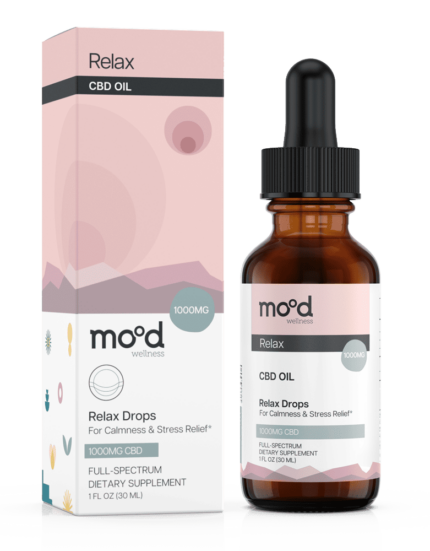
Product disclosure: Mood Wellness sells Relax Drops. It appears as a transparent product example, not as a proven surfing aid, medical treatment or guarantee against a positive drug test.
This article is educational and is not medical, legal, water-safety or anti-doping advice. Conditions, laws, rules and product batches change.
Written and reviewed by Mood MagazineMaterially researched and updated September 6, 2026. No clinician review is claimed.