
Start with the product;not the nickname
What are cannabis moon rocks?
Cannabis moon rocks are composite cannabis products. A piece of flower forms the center, a sticky cannabis concentrate coats the outside, and loose trichome material called kief adheres to that coating. Some sellers use the terms moon rocks and cannabis caviar interchangeably, while others reserve “caviar” for coated flower without the outer kief layer. There is no universal regulatory definition that guarantees either distinction.
The layered construction matters more than the nickname. Flower can contain THC and other cannabinoids. Concentrate adds another, often stronger source. Kief is rich in trichomes and can increase the total cannabinoid load again. The final product may therefore deliver much more THC than a visually similar amount of ordinary flower;but appearance cannot tell you how much.
Moon rocks are not a cannabis strain. They can be made from different cultivars, extracts and kief, and those components may come from the same plant or entirely different batches. The resulting cannabinoid and terpene profile depends on every layer. Two products with the same name can have different chemistry, contaminants, effects and legal status.
The useful definition:
“Moon rock” describes a layered format. It does not certify potency, purity, medical benefit, craftsmanship or safety.
Why one number is not enough
How potent are moon rocks?
Online descriptions often repeat a THC range as though all moon rocks share one strength. They do not. Published consumer guides commonly describe totals around 50% THC, but a generic range is not a substitute for a result from the actual finished batch. The flower, concentrate, kief, coating ratio, sampling method and laboratory method all affect the reported value.
Potency is also easy to misunderstand. A percentage usually describes cannabinoid mass relative to product mass. It does not automatically identify a serving, predict how much will be inhaled or absorbed, or show whether the sample sent to the laboratory represented the entire batch. A dense coated surface can make sampling less uniform than ordinary ground flower.
| Variable | Why it changes the interpretation |
|---|---|
| Core flower | Cannabinoid content and moisture differ by cultivar and batch. |
| Concentrate | Extract type, cannabinoid concentration and coating amount vary. |
| Kief | Purity and trichome content are not standardized. |
| Layer distribution | One piece may carry more concentrate or kief than another. |
| Laboratory sample | A small sample may not represent a heterogeneous finished product. |
| Decarboxylation | Labels may distinguish THCA from delta-9 THC or calculate a total. |
| Other cannabinoids | Delta-8 THC, HHC or other intoxicants can change the experience. |
A high laboratory number also says nothing about whether the product is appropriate for a particular person. Tolerance, route, inhalation pattern, medications, health conditions, sleep, food, alcohol and prior cannabis exposure can all affect a response. Potency is a chemical measurement, not a personalized safety recommendation.
A batch report should match the finished product
How to evaluate a moon-rock label and COA
Begin with identity. The package and certificate of analysis should share a product name and batch or lot number. Check the laboratory, report date, sample type and whether the tested item was the finished moon rock rather than only the input flower or concentrate. A report for an ingredient cannot prove the composition of the assembled product.
The cannabinoid panel should list individual compounds and units. Look for delta-9 THC, THCA, CBD, CBDA and any additional cannabinoids named on the label. If the seller advertises a calculated “total THC,” the report should make the calculation transparent. A large marketing number without units or a linked batch is not useful evidence.
Contaminant testing deserves equal attention because coating can conceal the visual condition of the flower. Review panels for pesticides, heavy metals, microbial contaminants and mycotoxins. Concentrates can also make residual-solvent testing relevant. A colored “pass” badge should not replace the numerical result, reporting limit and jurisdiction-specific action threshold.
| Check | What to verify | What it cannot prove |
|---|---|---|
| Batch identity | The report matches the exact finished product and lot. | Every unit in a heterogeneous batch is identical. |
| Cannabinoid panel | Named cannabinoids, values, units and calculation method. | How strongly one person will feel the product. |
| Residual solvents | Named solvents and their measured levels. | Absence of compounds not included in the method. |
| Pesticides and metals | Actual results against stated thresholds. | Universal compliance across every state. |
| Microbes and mycotoxins | Finished-product results within the tested panel. | Long-term stability after poor storage. |
A QR code is only a path to information. It is not evidence by itself. If the link is broken, the lot does not match, the report predates the batch or the laboratory cannot be identified, the product remains insufficiently characterized.
High THC changes both experience and risk
What effects and side effects can moon rocks cause?
The effects come from the cannabinoids and other substances present, not from the moon-rock format as a separate drug. THC can alter perception, mood, time sense, attention, memory, coordination and judgment. Some adults report euphoria or relaxation; others experience dizziness, nausea, rapid heart rate, anxiety, panic, paranoia, confusion or excessive sedation.
Higher THC exposure can increase the chance that an experience becomes unpleasant or unsafe, especially for someone with little tolerance. The layered product makes intuitive portion estimates unreliable. Delayed recognition of impairment can lead a person to take more before understanding the first exposure.
The Centers for Disease Control and Prevention notes that cannabis can impair skills needed for safe driving, including reaction time, coordination and decision-making. Alcohol and cannabis together can produce greater impairment than either alone. There is no visual or subjective test that proves a person is ready to drive.

THC exposure can also be relevant to mental health. Cannabis use is associated with acute anxiety and psychosis-like symptoms in some people, and risk is not evenly distributed. Age, dose, frequency, genetics and personal or family psychiatric history matter. An informational article cannot predict an individual outcome.
Potency is not the only hazard
Smoking moon rocks adds inhalation risks
Combustion produces smoke containing irritants and toxic compounds. Holding smoke longer does not create a safer or more controlled exposure; it increases contact with combustion products. A sticky, dense product may also burn unevenly, which makes the delivered dose difficult to estimate.
Vaporization should not be treated as automatically safe. A device, concentrate or coated product may not be designed for a given temperature or hardware. Heating oils, diluents, contaminants or unknown additives can introduce risks that a cannabinoid potency panel does not address. The safest interpretation of “lab tested” is limited to the exact analytes and methods shown.
This guide intentionally does not provide instructions for smoking, making or maximizing moon rocks. Procedural advice would imply a degree of control that the category does not support. For someone who chooses to use cannabis despite the risks, avoiding mixing substances, staying away from vehicles and water, and keeping children and pets away from the product are basic harm-reduction boundaries;not guarantees of safety.
Some contexts raise the stakes
Who should avoid high-THC cannabis products?
Children and adolescents should not use moon rocks. The developing brain is more vulnerable to cannabis-related effects, and accidental exposure can require urgent care. Store every cannabis product locked, out of sight and in packaging that cannot be mistaken for ordinary food.
Pregnant or breastfeeding people should avoid cannabis unless they are discussing an FDA-approved medication with a qualified clinician. People with a history of psychosis, bipolar disorder, severe panic, substance-use disorder or significant heart disease have additional reasons to avoid high-THC products and seek individualized medical guidance.
Medication interactions and combined impairment are another concern. Alcohol, sleep medications, opioids, benzodiazepines, antihistamines and other sedating substances can make judgment and alertness less predictable. Stimulants do not reliably “cancel” intoxication and may add cardiovascular or anxiety symptoms.
- Do not use before driving, cycling in traffic, swimming, surfing, climbing, cooking over flame or operating tools.
- Do not use while responsible for a child, older adult or anyone needing supervision.
- Do not share a product when its ingredients, lot or strength are unknown.
- Do not treat a recreational product as a substitute for evidence-based medical or mental-health care.
The name does not protect against a positive result
Will moon rocks show up on a drug test?
THC-dominant moon rocks can create a clear cannabis drug-testing risk. Screening and confirmatory methods, cutoffs, specimen types and detection windows differ, so no responsible source can promise a precise date when every person will test negative. Frequency, amount, body composition, metabolism and the product itself all matter.
A product marketed as “CBD moon rocks” may still create risk if it contains detectable THC, is mislabeled or is contaminated during manufacture. Full-spectrum hemp products can contain lawful trace THC and are not guaranteed drug-test safe either. A certificate can describe a tested batch; it cannot guarantee an employment, athletic or legal testing outcome.
If a test matters for work, sport, treatment, probation or another high-consequence setting, the lowest-risk decision is to avoid moon rocks and other cannabinoid products that could contain THC. Do not rely on detox claims or seller assurances.
Verify the product and the jurisdiction
Are cannabis moon rocks legal?
Legal status depends on what the product contains and where it is possessed, purchased, used or transported. State adult-use or medical-cannabis rules do not override federal law, workplace policies, housing rules, athletic codes or restrictions on impaired driving. Crossing a state or international border creates different risks from buying within a regulated local market.
“Hemp-derived” is not a permanent legal shortcut. A coated hemp flower product can contain delta-9 THC, converted cannabinoids or total THC above an applicable limit. State rules for intoxicating hemp have also changed rapidly. Check current official sources for the exact jurisdiction and date rather than treating availability online as proof of legality.
Never fly or cross a border with a moon-rock product based on a blog or retail label. Legal questions are specific enough that a lawyer or the relevant government agency;not a seller;may be the appropriate source.
Respond to the person, not the marketing label
What to do after an unexpected cannabis reaction
For mild anxiety or dizziness in an alert adult, stop exposure, move to a calm safe setting and have a trusted sober person stay nearby. Do not drive or attempt to counteract the effect with alcohol, caffeine, more cannabis or an unproven “detox.” Keep the package and laboratory report available.

| Situation | Response |
|---|---|
| Uncertain amount or product | Contact Poison Control in the United States at 1-800-222-1222 or Poison.org. |
| Child or pet exposure | Call Poison Control, emergency care or a veterinarian promptly; do not wait for symptoms. |
| Repeated vomiting, severe panic, marked confusion or inability to walk safely | Seek urgent medical assessment. |
| Chest pain, seizure, trouble breathing, collapse, loss of consciousness or dangerous behavior | Call 911 immediately. |
Tell responders what was used, when, how much may have been taken and whether alcohol or other drugs were involved. Medical teams manage symptoms and complications; there is no retail CBD product proven to reverse a high-THC reaction.
Do not collapse unlike products into one category
Cannabis moon rocks vs CBD products
THC-dominant moon rocks are designed around intoxication and high potency. CBD is a different cannabinoid and is not expected to produce the classic THC high, although CBD products can still cause side effects, interact with medications and contain THC depending on spectrum and quality. “CBD moon rock” is a marketing term for coated hemp flower; it is not the same as a labeled CBD oil, gummy or capsule.
| Question | THC-dominant moon rock | Labeled CBD product |
|---|---|---|
| Primary intent | Usually potent intoxicating cannabis exposure | CBD delivery without aiming for a classic high |
| Format | Layered flower, concentrate and kief | Oil, gummy, capsule, topical or another measured format |
| Dose clarity | Can be heterogeneous and hard to estimate | May state CBD per serving, but still requires batch verification |
| THC | Often intentionally high | Depends on full-spectrum, broad-spectrum or isolate formulation |
| Drug-test risk | High concern | Not zero; especially relevant with full-spectrum or mislabeled products |
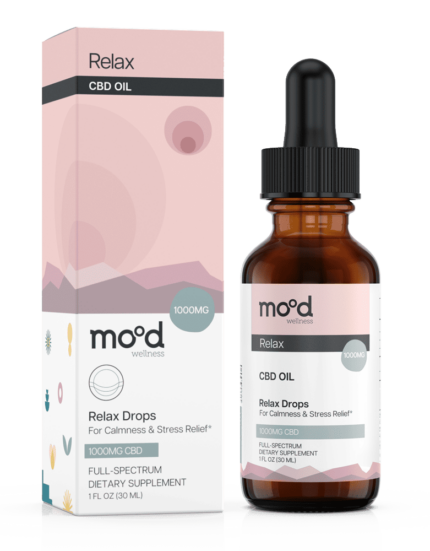
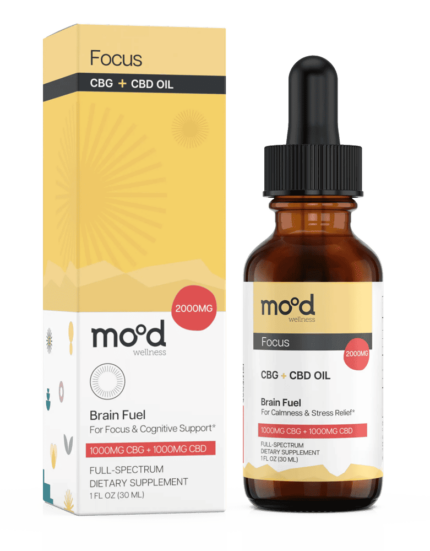
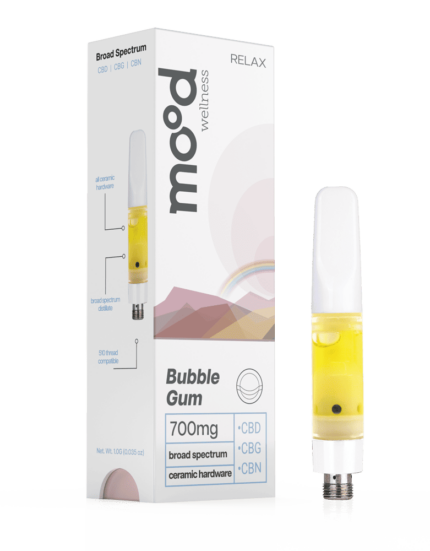
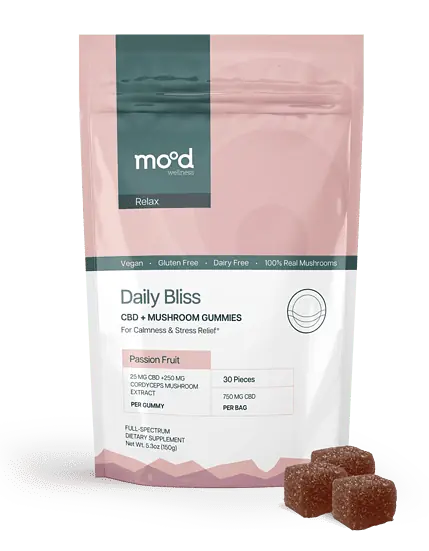
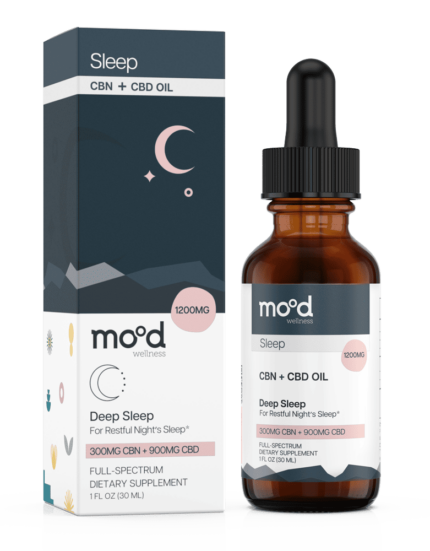
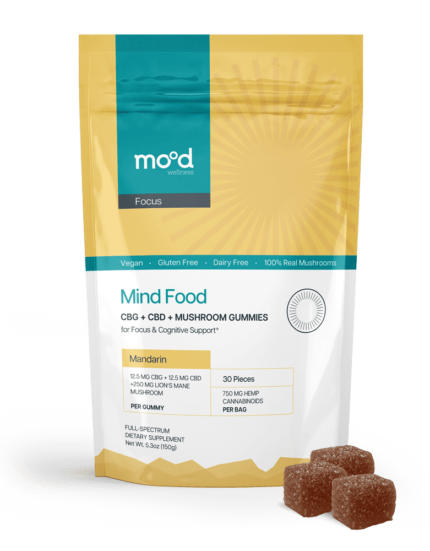
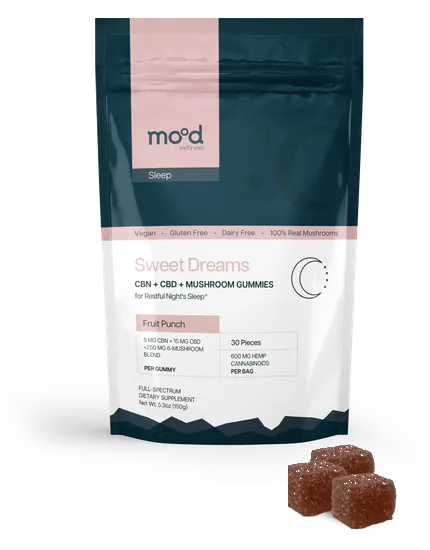
Mood Wellness sells labeled cannabinoid and functional-mushroom products, not cannabis moon rocks. Readers comparing CBD products can use our CBD certificate of analysis guide to evaluate batch identity, potency and contaminant panels. That guide is not a recommendation to replace medical care with CBD.
Quick answers
Cannabis moon-rock questions
Are moon rocks a strain?
No. The term describes flower coated in concentrate and kief. The flower and other components can come from many cultivars and batches.
Why are moon rocks so strong?
They combine multiple cannabinoid-rich materials. Actual strength varies and should be verified on a finished-batch laboratory report.
Are moon rocks the same as cannabis caviar?
The terms are often used interchangeably. Some sellers use “caviar” for concentrate-coated flower without kief, but naming is not standardized.
Can moon rocks cause anxiety?
Yes. High-THC exposure can be associated with anxiety, panic, paranoia, confusion and other adverse reactions.
Can you drive after using moon rocks?
No. Cannabis can impair reaction time, coordination and judgment. Arrange transportation before any exposure.
Are CBD moon rocks non-intoxicating?
The name alone cannot prove that. Verify cannabinoid results for the exact batch, including THC, and remember that mislabeled or full-spectrum products can create impairment or testing concerns.
Does Mood Wellness sell moon rocks?
No. Mood Wellness does not sell cannabis moon rocks.
Evidence and disclosure
Sources and editorial review
- Centers for Disease Control and Prevention: Cannabis and driving.
- Centers for Disease Control and Prevention: Cannabis and brain health.
- National Institute on Drug Abuse: Cannabis research overview.
- Poison Control: Marijuana exposures and when to seek help.
- U.S. Food and Drug Administration: What to know about cannabis-containing products.
- Substance Abuse and Mental Health Services Administration: Cannabis information and risks.
Disclosure: Mood Wellness publishes this educational guide and sells CBD and functional-mushroom products. It does not sell cannabis moon rocks, and no Mood product is presented as an antidote to THC intoxication.
This article is educational and is not medical or legal advice. Cannabis laws and testing policies change. Seek current professional guidance for personal health, medication, employment or legal decisions.
Written and reviewed by Mood MagazineMaterially researched and updated September 6, 2026. Clinical and legal review are recommended before publication; neither is claimed here.