

The useful starting point
CBD gummies can be a practical format for older adults
A gummy is portable, discreet and already divided into servings. That can be easier than measuring an oil drop by drop, especially for someone who wants a repeatable routine. The appeal is straightforward: the person can read the amount per gummy, use the same format each time and keep the package with the product information.
Convenience does not make every gummy interchangeable. Products differ in CBD amount, THC content, added ingredients and label accuracy. An older adult’s medication list and sensitivity to sleepiness or dizziness may matter more than the number printed on the front of the package.
An independent older adult with a stable medication plan who can monitor effects and has a clearly labeled product.
Someone with recent falls, cognitive changes, liver disease, multiple sedating medicines or an unstable health condition.
Research specifically focused on over-the-counter CBD gummies in adults over 65 remains limited. Reviews of cannabinoid use in older adults are cautiously reassuring about tolerability in studied settings, but the studies use different products, doses and populations. That makes individualized review more useful than a universal “safe” label.
Why the same gummy can feel different
Aging can change how the body handles medicines and cannabinoids
Normal aging can alter liver and kidney function, body composition and sensitivity to medicines that affect the nervous system. Older adults are also more likely to use several prescription and nonprescription products at once. The FDA notes that these changes increase the chance of unwanted drug interactions as people age.
This does not mean a healthy 70-year-old automatically reacts more strongly than every younger adult. It means the product should be evaluated in the context of the person rather than selected from age alone. A previously well-tolerated supplement does not prove that a new CBD product will behave the same way.
Keep the routine observable
Introduce only one new cannabinoid product at a time. Keep the package, record the time used and note alertness, balance, stomach effects and next-morning function. A simple record gives a pharmacist or clinician something concrete to review.
Gummies are swallowed and must pass through digestion before their effects are assessed. The experience may begin later and last longer than inhaled CBD. Taking another gummy because “nothing happened yet” can turn a measured routine into an unexpectedly strong one.
The most important personal check
Review the exact gummy against the complete medication list
CBD is processed through liver pathways that also handle many medicines. It may change the level or effects of certain drugs, while another medicine may change CBD exposure. The FDA warns that CBD can affect how other drugs work and that combining it with alcohol or drugs that slow brain activity can increase sedation and drowsiness.
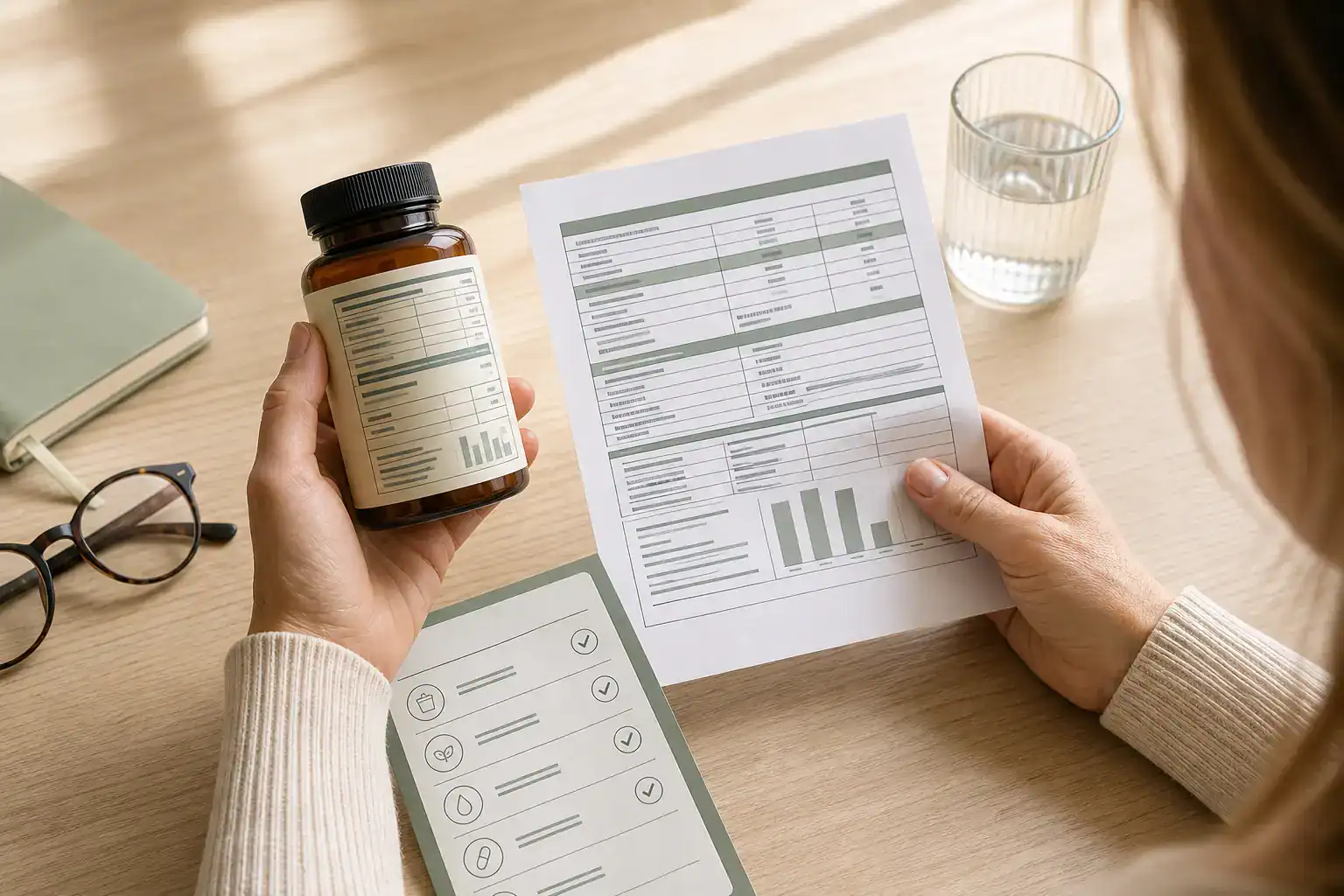
A useful review includes prescriptions, over-the-counter sleep aids, antihistamines, pain relievers, vitamins and herbal products. Bring the actual package or a photograph of the Supplement Facts panel and the matching batch report. “A CBD gummy” is not enough information because one product may be CBD isolate while another contains THC, melatonin or several botanicals.
| Category | Why it matters | What to ask |
|---|---|---|
| Blood thinners and antiplatelet drugs | Changes in drug exposure or bleeding risk can be clinically important. | Can this exact CBD product alter monitoring or dose requirements? |
| Seizure medicines | Prescription cannabidiol has documented interactions with some antiseizure drugs. | Does the prescriber need laboratory or symptom monitoring? |
| Sleep, anxiety and opioid medicines | Combined drowsiness can impair balance, judgment and breathing. | Should the products be separated, adjusted or avoided? |
| Blood pressure medicines | Dizziness or a drop in pressure can increase fall risk. | What symptoms or home readings should trigger a call? |
| Multiple medicines | Several small interaction risks can become difficult to predict. | Can the pharmacist review the full list, not only one prescription? |
The table is a prompt for professional review, not a complete interaction database. Mood’s detailed guide to CBD drug interactions explains why the ingredient list, serving and medicine schedule all matter.
Protect comfort and independence
Watch for sleepiness, dizziness, balance changes and digestive effects
CBD can cause drowsiness, diarrhea, reduced appetite and changes in alertness in some people. A gummy may also contain THC or added ingredients that change the experience. In older adults, even a mild effect matters if it appears during stairs, nighttime bathroom trips, driving or exercise.
- Sleepiness: avoid combining a first trial with alcohol, a sleep aid or another sedating product unless a clinician has reviewed the combination.
- Dizziness: sit or lie down, avoid driving and contact a clinician if symptoms are significant or recur.
- Balance: use a first trial when another trusted adult is available if there is a history of falls.
- Digestion: note diarrhea, nausea or appetite change and review the gummy’s sweeteners and other ingredients.
- Next morning: assess clarity and steadiness before repeating an evening product.
Stop using the product and seek urgent care for trouble breathing, severe confusion, fainting, chest pain or another serious reaction. For persistent but nonurgent effects, stop the new product and contact the pharmacist or clinician who knows the medication plan.
CBD is only part of the label
THC content can change safety, impairment and testing risk
CBD does not usually produce the intoxicating “high” associated with delta-9 THC. Full-spectrum gummies, however, may contain lawful trace THC. A sensitive older adult may notice impairment from an amount that another person barely perceives, and repeated exposure can matter for a workplace or medical drug test.
| Type | Intended cannabinoid profile | Practical consideration |
|---|---|---|
| Full-spectrum | CBD plus other plant compounds, potentially including THC. | Offers a broad cannabinoid profile but carries the clearest intoxication and drug-test uncertainty. |
| Broad-spectrum | Multiple cannabinoids with THC removed or reduced. | Lower intended THC exposure, but the batch report still matters. |
| CBD isolate | Highly purified CBD without other cannabinoids by design. | Lowest intended THC exposure, though finished-product accuracy still needs verification. |
Read Mood’s guide to the entourage effect and extract types for a fuller comparison. If drug testing affects employment or another high-stakes decision, see whether CBD can affect a drug test before choosing a product.
A six-point quality check
How seniors and caregivers can compare CBD gummy labels
1
Find CBD per gummy
A large front-label number may describe the whole package. Use the Supplement Facts serving information.
2
Identify THC and extract type
Look for full-spectrum, broad-spectrum or isolate and confirm the claim in the cannabinoid report.
3
Match the lot number
The laboratory report should correspond to the package in hand, not a generic product name.
4
Read every active ingredient
Melatonin, caffeine, herbs and mushrooms can matter independently of CBD.
5
Check sugar and allergens
Review sweeteners, gelatin or pectin, food allergies and dietary preferences.
6
Avoid disease-treatment promises
A supplement should not be chosen because its marketing claims to diagnose, treat or cure a condition.
The CBD buyer’s guide provides a broader shopping checklist, and Mood’s lab-results library lets shoppers inspect available batch documents.
Make the first experience low pressure
A practical first-use plan for an older adult
- Complete the medication check. Ask a pharmacist or clinician to review the exact product, especially when several medicines are used.
- Choose a quiet window. Finish driving, stairs, cooking over a flame and other safety-sensitive tasks first.
- Follow the reviewed plan and package directions. Do not copy a friend’s serving or use a high-strength product to chase a faster result.
- Wait before judging. A swallowed gummy can take time. Do not stack servings because the effect is not immediate.
- Record the experience. Note time, food, alertness, balance, digestion, sleep and next-morning function.
- Change one variable at a time. Keep other supplements and the time of day stable while assessing the new product.
Consistency makes a routine easier to evaluate. It also helps separate the gummy from ordinary changes in sleep, stress, meals or medication timing. Mood’s CBD dosage guide explains why body size alone cannot determine the right amount.
Do not make a gummy the whole wellness plan
Movement, social connection, sleep habits, nutrition and appropriate medical care remain the foundation. A CBD gummy, when appropriate, is one optional part of that broader routine.
Get individualized guidance
When seniors should speak with a clinician before using CBD gummies
A conversation is especially important for anyone taking blood thinners, seizure medicines, opioids, sleep medicines or several prescriptions. It is also appropriate after a recent fall, with significant liver disease, before surgery, during cancer treatment or when new confusion, fainting or unexplained weight loss is present.
Ask a specific question: “Can you review this exact ingredient panel, cannabinoid report and planned time of use against my medication list?” That is more actionable than asking whether CBD is generally safe. A community pharmacist may be the most accessible professional for a complete interaction review.
Caregivers should include the older adult in the decision whenever possible. Keep the product in its original package, store it away from children and pets, and avoid transferring gummies into an unmarked pill organizer where they can be mistaken for ordinary candy or medicine.
Quick answers
Frequently asked questions about CBD gummies for seniors
What are the main benefits of a gummy format for seniors?
Gummies are portable and premeasured, so they can be easier to use consistently than a dropper. That convenience is most valuable when the amount per gummy is clear and the product fits the person’s medication and safety plan.
Can CBD gummies make an older adult sleepy?
Yes. CBD can cause drowsiness in some people, and THC, alcohol, sleep medicines or other sedating ingredients can increase that effect. First use should occur after driving and fall-sensitive activities are finished.
Do CBD gummies interact with blood thinners?
CBD has the potential to affect medicines processed through overlapping liver pathways, and changes involving a blood thinner can be important. A pharmacist or prescriber should review the exact product and medicine rather than relying on a general interaction list.
Are THC-free CBD gummies safer for seniors?
A verified broad-spectrum or isolate product reduces intended THC exposure and may reduce impairment or drug-test risk. “THC-free” is not enough by itself; confirm the claim with a batch-specific report and still review CBD interactions.
How long should a senior wait before taking more?
There is no universal interval suitable for every person or product. Swallowed gummies can have a delayed onset, so follow the clinician-reviewed plan and package directions rather than adding another serving because the effect is not immediate.
Can a senior take a CBD gummy every day?
Daily use increases the importance of medication review, repeatable serving information and monitoring for alertness, digestion and liver-related concerns. Long-term evidence for over-the-counter gummies in older adults remains limited.
What should a caregiver look for after first use?
Watch for unusual sleepiness, dizziness, unsteady walking, confusion, digestive symptoms or next-morning grogginess. Keep the package and record the time and serving so any reaction can be reviewed accurately.
Evidence and transparency
Sources and editorial review
Research method: This article prioritizes FDA consumer guidance and peer-reviewed reviews focused on older adults. Evidence from prescription cannabidiol and mixed cannabinoid medicines is not presented as proof that every retail gummy has the same safety profile.
- U.S. FDA. What You Need to Know About Products Containing Cannabis or Cannabis-Derived Compounds, Including CBD.
- U.S. FDA. As You Age: You and Your Medicines.
- Pisani S et al. Safety and Tolerability of Natural and Synthetic Cannabinoids in Older Adults. Drugs & Aging. 2021.
- Porter B et al. Cannabidiol Use by Older Adults for Acute and Chronic Pain. Journal of Gerontological Nursing. 2021.
- Brown JD et al. Cannabinoids in the Older Person: A Literature Review. Geriatrics. 2020.
- U.S. FDA. Epidiolex prescribing information.
General educational information, not individualized medical advice. Evidence for retail CBD gummies in adults over 65 remains limited, and product composition varies.
Written by Mood Editorial TeamMaterially researched and updated September 1, 2026. No geriatrician, pharmacist or other clinician review is claimed. Corrections can be submitted through Mood Wellness support.