Start with the outcome
Can CBD make you better at gaming?
There is no direct clinical evidence that CBD improves esports rank, aim, reaction time, accuracy, strategic decision-making or communication.
That distinction matters because “for gamers” often turns a broad wellness hypothesis into a performance promise. A study of CBD in another population, at another dose, measuring anxiety or sleep does not demonstrate better performance in Valorant, League of Legends, Counter-Strike, Fortnite or any other title. Even research in traditional athletes cannot be copied directly into esports.
Competitive gaming combines rapid visual processing, fine motor control, sustained attention, working memory, communication and emotional regulation. An intervention that feels calming could still be neutral or negative for reaction time. An evening routine that appears to help one person wind down could make another person groggy. Subjective calm and objective performance are different outcomes.
The most useful question is therefore not “Does CBD help gamers?” but “Which specific problem am I trying to solve, what evidence applies to that problem, and how will I know whether the experiment helps without impairing play?” That framing protects the player from vague benefit stacking.
Evidence boundary
CBD should not be described as a nootropic, aim aid or esports performance enhancer. Direct trials in competitive gamers are needed before those claims can be supported.
Marketing translated
Common CBD gaming claims versus what is known
| Claim | What the evidence can support | Better decision |
|---|---|---|
| “Sharper focus” | No direct evidence of improved gaming attention, aim or rank | Track errors and consistency; do not infer focus from feeling different |
| “Faster reactions” | Not established; drowsiness is a known possible adverse effect | Never first-test before ranked play, driving or a match |
| “Less tilt” | CBD research on anxiety cannot prove emotional control during esports competition | Use breaks, review routines and coaching as first-line tools |
| “Better sleep” | CBD sleep evidence is mixed and depends on population, formulation and dose | Fix schedule, light, caffeine and wind-down habits first |
| “Faster recovery” | Sports reviews discuss hypotheses, not established esports recovery outcomes | Address ergonomics, movement, workload and symptoms directly |
| “THC-free means test-safe” | Labels and even tests have limits; contamination and batch variation occur | Avoid cannabinoid products if a positive test is unacceptable |
Language such as “supports,” “may help” and “designed for” can still create a strong impression without proving an outcome. Look for the actual study population, the exact ingredient and amount, the comparator and the measured endpoint. A mouse inflammation study does not become proof of less wrist pain in gamers. A small sleep study does not become evidence of improved next-day scrim performance.
Finished-product evidence matters too. If a study tested purified prescription-grade CBD, it does not validate every oil or gummy. Flavoring, THC, minor cannabinoids, serving size and manufacturing quality change the real-world product.
Solve the real problem
What competitive gamers may actually be trying to manage
High-volume gamers commonly face late schedules, long sitting periods, repetitive hand use, bright light at night, performance stress and inconsistent recovery. These are legitimate concerns, but CBD is not automatically the best response.
Sleep timing and sleep opportunity
Gaming late into the evening can compress sleep opportunity and delay wind-down. Team schedules, streaming, travel and adrenaline after competition add friction. Research in esports supports taking sleep seriously, while direct evidence for CBD remains uncertain. A consistent wake time, planned stop time, lower late caffeine intake, reduced bright light and a repeatable transition away from play are more interpretable starting points.
Stress, arousal and tilt
A certain level of arousal supports performance; too much can narrow attention or disrupt communication. CBD has been studied in some anxiety contexts, but that does not establish a reliable anti-tilt effect in competition. Pre-match breathing, a cue word, team communication protocol, review structure and access to a qualified mental-performance or mental-health professional are more targeted tools.
Neck, back, wrist and forearm discomfort
Discomfort may reflect setup, load, technique, conditioning, an injury or a medical condition. CBD should not delay assessment of numbness, weakness, loss of coordination, persistent pain or symptoms that wake you. Desk height, monitor position, mouse grip, sensitivity settings, chair support, scheduled movement and progressive exercise can address causes more directly.
Post-session recovery
Recovery is not a single sensation. It includes sleep, nutrition, hydration, movement, mental disengagement and adequate time between demanding sessions. Define the desired outcome before buying anything: falling asleep at a planned time, reducing next-morning stiffness or stopping review rumination require different approaches.
State matters
Could CBD make gaming performance worse?
Yes. CBD can cause sleepiness, fatigue, gastrointestinal effects and changes in alertness, and it can interact with medications. Effects depend on the person, product, amount, food, other substances and timing. “Non-intoxicating” does not mean “incapable of affecting function.”
THC is a separate concern. Full-spectrum hemp products can contain THC. THC can alter attention, timing, coordination, memory and judgment;traits that matter in competitive play and safety-sensitive work. A legal product can still be a poor choice before a match.
| Situation | Why risk is higher | Practical boundary |
|---|---|---|
| Tournament day | New effects, drowsiness and policy exposure can affect competition | Do not experiment |
| Ranked or team scrim | Performance consequences affect teammates and learning data | Keep the state consistent and sober |
| Driving after an event | Drowsiness or THC exposure can make driving unsafe | Do not drive if affected |
| Combined with alcohol or sedatives | Effects may compound and interactions may be unpredictable | Avoid unless a clinician has advised otherwise |
| Quiet off-day at home | Lower performance stakes, but adverse effects remain possible | If appropriate, this is the only reasonable setting for a first test |
If the goal is better competition performance, changing the player’s state right before competition makes evaluation difficult. Stable routines provide cleaner feedback than last-minute interventions. Keep tournament day boring: familiar meals, planned hydration, known caffeine, breaks and equipment.
Eligibility and employment
CBD, esports rules and drug testing
CBD’s status is easy to oversimplify. Under the World Anti-Doping Agency framework, cannabidiol itself is not prohibited, while other cannabinoids are prohibited in competition. That does not mean every esports tournament follows WADA, that a CBD product contains only CBD, or that a player is protected after a positive result.
Esports governance is fragmented. A tournament organizer, league, team, school, sponsor, visa authority or employer may have its own substance policy. Some policies focus on stimulants; others use broader drug-free rules. The contract and current event rulebook;not a blog post or package claim;control the player’s situation.
Commercial CBD creates another layer of uncertainty. Full-spectrum products intentionally contain multiple hemp cannabinoids and may contain THC within legal limits. Broad-spectrum or isolate products aim to reduce or remove THC, but mislabeled products and contamination have been documented. A certificate of analysis describes the tested sample and method; it cannot promise that a person will pass a biological test.

1
Read the event rule
Confirm prohibited substances, in-competition window, testing process and disclosure requirements.
2
Check team and employer policies
A player may face rules beyond the tournament, especially when driving, traveling or holding another job.
3
Assess consequence tolerance
If one positive test could end eligibility, employment or sponsorship, avoiding cannabinoid products is the lowest-risk choice.
4
Ask the authority in writing
For ambiguous rules, contact league operations, an anti-doping organization or qualified counsel and retain the response.
Product due diligence
How should a gamer evaluate a CBD product?
Start by rejecting any product that promises faster reactions, laser focus, instant recovery or guaranteed drug-test safety. Then compare what can actually be verified.
- Identity: CBD isolate, broad spectrum and full spectrum are different. Full spectrum may contain measurable THC.
- Amount: read milligrams of CBD per serving, not only total hemp extract or bottle size.
- Batch match: the lot number on the package should match a recent certificate of analysis.
- Cannabinoid panel: review CBD and THC results, reporting limits and units.
- Contaminants: look for pesticides, heavy metals, residual solvents and microbial testing appropriate to the format.
- Other actives: melatonin, caffeine, botanicals and minor cannabinoids change the use case and risk.
- Warnings: a responsible label identifies serving guidance and relevant cautions instead of calling the product safe for everyone.
Our CBD COA guide explains how to match the batch and interpret potency. If drug testing matters, remember that better documentation reduces uncertainty but does not remove it.
Discuss CBD with a clinician or pharmacist if you use prescription medication, have liver disease, are pregnant or breastfeeding, or have an upcoming procedure. Stop and seek appropriate care for a concerning reaction.
If you still choose to try it
A safer, more useful personal experiment
A personal experiment cannot prove a treatment or predict another player’s response, but it can prevent chaotic decision-making. First choose one outcome outside direct competition: for example, how long it takes to settle after practice or next-morning alertness. Do not combine the new product with a new caffeine plan, sleep schedule and training block.
- Clear the policy and health questions: review rules, testing consequences, medication interactions and contraindications first.
- Choose a low-stakes window: use an off-day at home with no driving, tournament, scrim or safety-sensitive work.
- Record the exact product and batch: note format, labeled serving, other cannabinoids and COA date.
- Track both benefit and cost: record the target outcome plus drowsiness, reaction concerns, stomach effects and next-day function.
- Use a stop rule: stop for impairment, unpleasant effects, policy uncertainty or no meaningful benefit after a defined review period.
Do not “chase” an immediate feeling with repeated servings. Oral products may take time, and adding more before the effect is clear increases uncertainty. Follow the label and professional guidance rather than online dosing anecdotes.
Stop the experiment before the match
Even a routine that seems helpful off-session should not be assumed to improve competition. Tournament performance deserves a stable, familiar and policy-compliant state.
Higher-confidence gains
What should gamers improve before considering CBD?
Performance basics are less exciting than a supplement, but they are easier to connect to the demands of gaming.
| Lever | Practical action | Measure |
|---|---|---|
| Sleep opportunity | Protect a consistent stop and wake time | Total sleep and next-day alertness |
| Caffeine | Use a known amount early enough to protect sleep | Jitters, sleep onset and performance consistency |
| Practice design | Separate deliberate drills, scrims and review | Error type and transfer to matches |
| Breaks | Schedule brief visual and movement breaks | Discomfort and late-session accuracy |
| Ergonomics | Adjust monitor, desk, chair, mouse and grip | Pain, numbness and fatigue |
| Team regulation | Use a reset cue and communication protocol | Recovery after mistakes and comms quality |
Measure performance with game-relevant outcomes instead of mood alone. Accuracy, decision errors, communication mistakes, reaction tests and consistency across blocks can reveal whether a routine actually helps. A player may feel relaxed while performing worse, or feel activated while playing accurately.
Build a clean performance baseline
Before adding a supplement, collect a simple baseline across several comparable sessions. Use the same warm-up, similar time of day and the same equipment. Record two or three outcomes that matter for the player’s role: an aim-drill score, decision errors from review, communication quality or late-session consistency. Also record sleep duration, caffeine and unusual stress. The point is not laboratory precision; it is avoiding a conclusion based on one good match.
If the player later makes an off-session change, keep the comparison honest. A win is not proof, and a loss is not proof of harm. Opponent quality, map, role, team coordination and random variation all affect results. Look for a repeated, meaningful change in the intended outcome without a cost in alertness, sleep, mood or policy risk.
Team environments need an additional boundary: no player should feel pressured to use CBD because teammates, a sponsor or a coach presents it as a competitive advantage. Informed consent is incompatible with exaggerated claims. Staff should separate commercial relationships from health advice and provide a route to qualified medical or anti-doping guidance.
Persistent insomnia, anxiety, pain, numbness, weakness or burnout deserves qualified support. Coaches, physical therapists, sports-medicine clinicians and mental-health professionals solve different parts of the problem. CBD should never become a way to tolerate an unsafe workload or avoid care.
Quick answers
CBD and gaming questions
Does CBD improve focus while gaming?
Direct evidence that CBD improves attention, aim or competitive gaming performance is lacking. Drowsiness is possible, so feeling calmer should not be confused with performing better.
Can CBD improve reaction time?
It has not been shown to improve reaction time in esports players. Do not test it before competition, driving or safety-sensitive work.
Is CBD allowed in esports?
Rules vary by event, league, school, team and employer. WADA permits cannabidiol but prohibits other cannabinoids in competition; many esports events do not use the same framework.
Can CBD cause a positive drug test?
CBD itself is not usually the target, but products can contain THC. Full-spectrum products are an obvious source, while mislabeled or contaminated products can also create risk.
Is a THC-free COA a guarantee?
No. It can reduce uncertainty about the tested batch, but sampling, reporting limits, contamination and individual biology prevent a guarantee.
Should I take CBD before a tournament?
No performance benefit is established, and drowsiness, unexpected effects and policy risk make tournament-day experimentation a poor choice.
What is the best CBD product for gamers?
There is no clinically established “best” gaming CBD product. Define the off-session goal, assess health and policy risk, and prioritize transparent labeling and batch testing.
What helps gaming recovery most?
Adequate sleep, movement, ergonomics, hydration, nutrition, breaks and well-designed practice have a more direct rationale. Persistent symptoms deserve professional assessment.
Sources and disclosure
Evidence and editorial review
- World Anti-Doping Agency. Current Prohibited List.
- U.S. Anti-Doping Agency. Six Things to Know About Cannabidiol.
- U.S. Food and Drug Administration. What You Need to Know About CBD.
- Cannabidiol and Sports Performance: A Narrative Review.
- A Brief Sleep Intervention for Esports Athletes.
- Nutritional Supplements to Improve Esports Player Performance: Systematic Review.
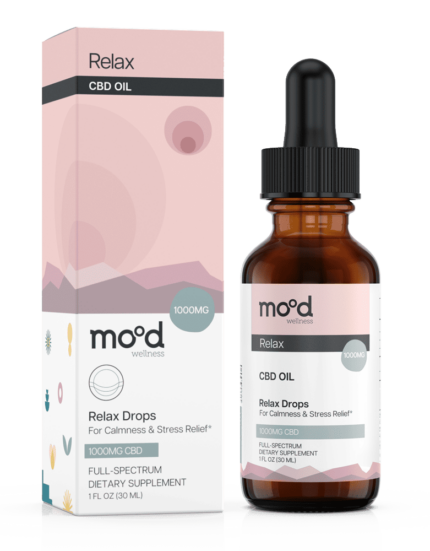
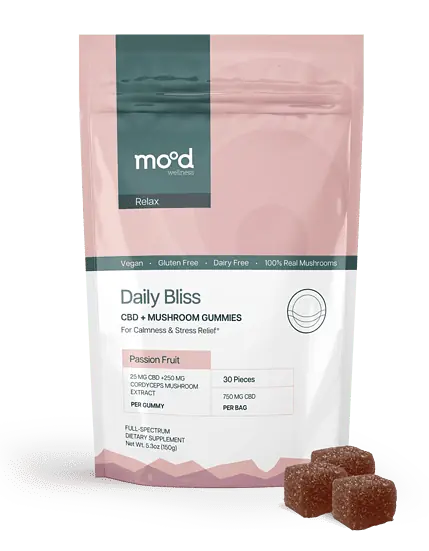
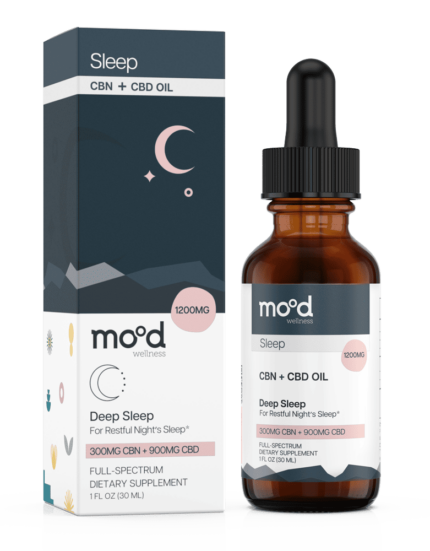
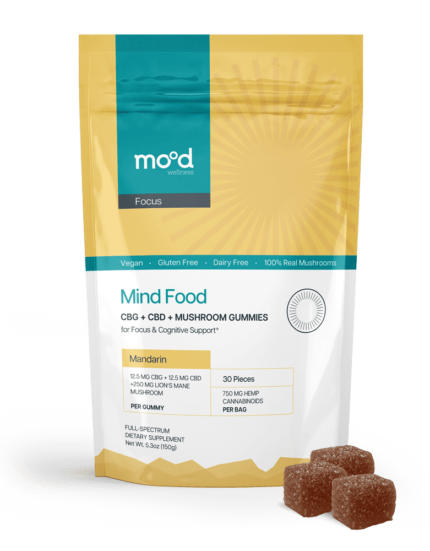
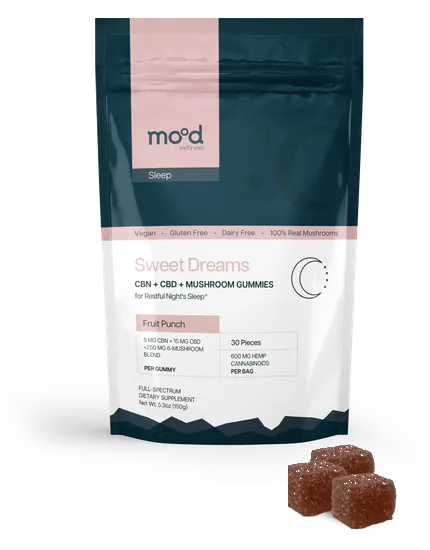
Product disclosure: Mood Wellness sells Relax Drops. The product is presented as a label-and-testing example, not as a proven gaming aid or guarantee against a positive drug test.
This article is educational and is not medical, legal or anti-doping advice. Rules and product batches change. Check current authorities and consult qualified professionals for your circumstances.
Written and reviewed by Mood MagazineMaterially researched and updated September 6, 2026. No clinician review is claimed.