
From paper to product
How to tell whether a mushroom study applies to a gummy
A study citation on a sales page can be accurate and still be irrelevant to the product being sold. Start by comparing five variables: species, mushroom part, preparation, daily amount and outcome. If a trial used a purified Reishi beta-glucan, it cannot validate an undisclosed six-mushroom blend. If a Lion’s Mane study used several grams of a particular powder for months, it cannot establish the same result for a low-dose gummy with cannabinoids.
Population matters too. An outcome in older adults with mild cognitive impairment does not prove an immediate focus effect in healthy college students. Exercise findings in trained adults cannot establish fatigue relief in someone with an unexplained medical symptom. Adjunctive research performed during cancer care must never be converted into a general prevention or treatment claim.
| Question | Good match | Poor match |
|---|---|---|
| Was the same species used? | Scientific name agrees | Only a common name or “mushroom blend” |
| Was the same material used? | Comparable fruiting body, mycelium or purified constituent | Study material is not disclosed on the label |
| Was preparation comparable? | Powder or extraction method aligns | Purified compound is used to market whole powder |
| Is the daily amount comparable? | Per-serving quantity permits a realistic calculation | Only a package total or proprietary blend is shown |
| Was the claimed outcome measured? | Trial directly measured the advertised result | A biomarker or animal mechanism is treated as proof |
Finished-product evidence is the closest match because it tests the actual combination, serving and manufacturing process. When that evidence does not exist, the honest approach is to describe the formula, summarize ingredient research with its limits and avoid guaranteeing the result.
Start with the category
What are mushroom gummies?
Mushroom gummies are chewable products containing mushroom powder, an extract, a purified mushroom constituent or a blend. The format says almost nothing about what the product will do.
A gummy needs sweeteners, gelling agents, flavors and moisture control in addition to active ingredients. That can make it easier to use than a capsule or powder, but space inside each piece is limited. Some products disclose a meaningful amount of one named mushroom; others advertise a large blend total while hiding how much of each species is present.
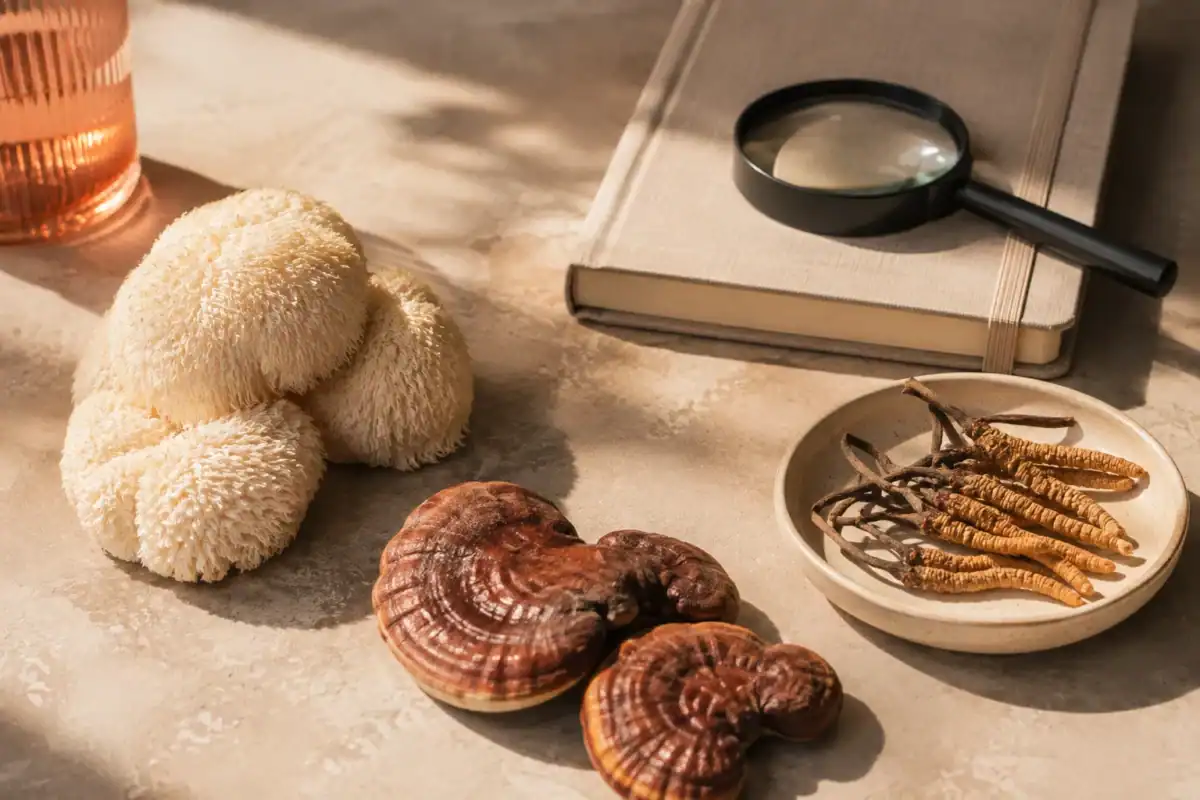
The category also has a serious naming problem. Search results and retail shelves mix functional mushrooms with Amanita products, vague “legal shroom” formulas and products marketed to feel psychedelic. Non-psychoactive functional species such as Lion’s Mane, Cordyceps, Reishi and Turkey Tail do not contain psilocybin. A mushroom illustration, “adaptogenic” label or promise of a special experience cannot identify the contents.
That means the first buying question is not “Which benefit do I want?” It is “What exactly is in this gummy?” Only after identity is clear does it make sense to compare evidence, amount, preparation, other active ingredients and safety.
Fast answer:
A transparent functional mushroom gummy names the species, mushroom material, preparation and amount per serving. It does not imply psychedelic effects, conceal active ingredients or turn early research into guaranteed benefits.
Do not blur these products
Four very different products can be called “mushroom gummies”
| Category | Typical ingredient | Expected intoxication | Main buying question |
|---|---|---|---|
| Functional mushroom gummy | Lion’s Mane, Cordyceps, Reishi, Turkey Tail or another named species | Not expected from the mushroom itself | Are identity, form, amount and testing clear? |
| Functional mushroom + cannabinoid | Named mushroom plus CBD, CBG, CBN or THC | Depends on cannabinoid profile and THC | What does the complete formula contain per gummy? |
| Amanita-style gummy | Amanita muscaria, muscimol or related material | May alter consciousness and cause toxicity | Is the ingredient legal, accurately labeled and safe? |
| Unclear “nootropic” or “magic” gummy | Proprietary or incompletely disclosed actives | Unknown | Why use a product whose active contents cannot be verified? |
Psilocybin is a controlled substance under US federal law and is not a functional-mushroom supplement ingredient. Amanita is pharmacologically different from psilocybin, but that does not make it a routine wellness product. CDC investigators testing selected mushroom gummies identified unexpected substances and described severe illnesses associated with this marketplace. FDA investigations of mushroom edibles have reinforced the need to avoid vague or misleading labels.
“No THC” does not resolve the mushroom question, and “no psilocybin” does not prove a product is non-intoxicating. A complete ingredient list and credible batch documentation are necessary. If a product promises euphoria, hallucinations or a “trip” while presenting itself as a functional mushroom gummy, treat that contradiction as a stop sign.
Species before promises
Common functional mushroom gummy types
Each species has a different research history. Even within one species, whole powder, fruiting-body extract, mycelium and purified compounds are not interchangeable. The matrix below describes research questions;not guaranteed consumer effects.
| Mushroom | Common positioning | What human evidence suggests | What remains unproven |
|---|---|---|---|
| Lion’s Mane Hericium erinaceus | Focus, memory, mood | Small trials have explored cognition, mood and sleep using different preparations | That an ordinary gummy reliably improves memory, treats depression or causes weight loss |
| Cordyceps C. militaris or CS-4 materials | Energy, exercise, endurance | Small studies report mixed findings for exercise and fatigue-related outcomes | A universal performance effect or a dose transferable to every extract |
| Reishi Ganoderma species | Evening calm, immunity | A specific beta-glucan preparation changed selected immune biomarkers | Prevention of infection, cancer treatment or dependable insomnia relief |
| Turkey Tail Trametes versicolor | Immune and gut support | Selected extracts have been studied as adjuncts in medical contexts | That a retail gummy treats cancer or prevents illness |
| Chaga Inonotus obliquus | Antioxidants, immunity | Research is predominantly laboratory and animal based | Clinical benefit, kidney safety at every dose or a validated gummy amount |
| Maitake and Shiitake | Immune and metabolic wellness | Foods and selected extracts have separate research histories | That concentrated gummy ingredients inherit every benefit of eating mushrooms |
Count is not a quality metric. A “ten-mushroom super blend” may contain less usable information than a one-species product with a scientific name, clearly stated amount and preparation. When the total blend is 500 mg across ten species, the buyer cannot assume 500 mg of each or know whether any individual amount resembles a study.
Our evidence guides go deeper into Lion’s Mane benefits and dosage, Cordyceps evidence, Reishi benefits and safety and Turkey Tail research. Those ingredient pages should inform expectations, but they do not validate every finished gummy.
What might you notice?
Mushroom gummy effects depend on the whole formula
A non-psychoactive functional mushroom should not create a marijuana-like high or psychedelic trip. Many people notice no immediate sensation at all. Research often examines repeated use over days or weeks, and an extract used in a study may be very different from the amount in a gummy.
When a gummy produces a rapid, strong effect, look beyond the mushroom name. Caffeine can feel stimulating. Melatonin, CBN or sedating herbs may cause drowsiness. THC can impair coordination and judgment. Sugar, flavor acids and gastrointestinal sensitivity can also shape the experience. Without a complete formula, timing alone cannot identify the responsible ingredient.
How long do mushroom gummies take to work?
There is no evidence-based universal onset. An edible cannabinoid may have a delayed and variable onset, while a mushroom ingredient may not have a perceptible acute effect. Food, serving size, metabolism, medication and other actives all change timing. Do not take extra gummies because nothing happened quickly.
Do mushroom gummies make you high?
Functional mushrooms themselves are non-psychoactive. A combined hemp formula may contain THC, and an inaccurately labeled mushroom edible may contain other psychoactive substances. Check the cannabinoid profile and current batch report. People subject to drug testing should not assume “CBD,” “hemp” or “full-spectrum” means zero THC.
Can mushroom gummies help focus, energy or sleep?
Those goals map loosely to Lion’s Mane, Cordyceps and Reishi marketing, but finished-product evidence is usually absent. A formula can be designed for a routine without being clinically proven for the outcome. Treat a claim such as “supports focus” as positioning unless comparable human research measured attention or cognition using the same material and amount.
The format tradeoff
Gummies versus capsules, powders and extracts
Gummies are portable, pre-portioned and easier for some adults to take consistently. They also require a gummy base and may contain added sugar. Their physical size can limit the quantity of mushroom material, and heat or moisture during manufacturing may matter for some constituents.
| Format | Potential advantage | Potential limitation |
|---|---|---|
| Gummy | Convenient, palatable and pre-portioned | Limited active space; sugar and mixed formulas are common |
| Capsule | Can fit more dry powder or extract without flavoring | Harder to swallow and still depends on label quality |
| Loose powder | Flexible serving and easy to add to food or drinks | Taste, measuring variation and moisture exposure |
| Liquid extract | Flexible amount and extraction details may be disclosed | Concentration claims and alcohol content need review |
| Fresh culinary mushroom | Food, flavor and nutrients in a meal | Not equivalent to a concentrated research preparation |
No format is inherently effective. A transparent capsule can be a better research match than an opaque gummy, while a well-disclosed gummy can be more useful than a powder that hides its species and substrate. Choose based on the goal, evidence match, amount, testing and likelihood of consistent use.
The buying framework
How to read a mushroom gummy label

1
Find the scientific species
“Mushroom complex” is not enough. Look for names such as Hericium erinaceus, Ganoderma lingzhi or Cordyceps militaris.
2
Identify the material
The label should state fruiting body, mycelium, spores or a combination. Mycelium grown on grain may include residual substrate, while some mycelial preparations have their own evidence. Avoid universal slogans and ask what was actually used.
3
Understand preparation
Whole powder, hot-water extract, alcohol extract and dual extract describe different materials. An extract ratio does not by itself prove potency, purity or a health result.
4
Calculate the amount per serving
Separate package totals from per-gummy and per-serving amounts. For a blend, look for each species amount rather than assuming an even split.
5
Audit every other active
CBD, CBG, CBN, THC, caffeine, melatonin, herbs and vitamins change the formula’s effects, interactions and best time of use.
6
Open the testing
Match the product, strength and lot. Determine whether the report covers mushroom identity, beta-glucans, cannabinoids, pesticides, heavy metals, residual solvents and microbes;or only one of those questions.
A cannabinoid COA does not automatically verify mushroom species or beta-glucans. Likewise, a mushroom specification does not prove the THC amount in a full-spectrum gummy. Use Mood’s CBD certificate-of-analysis guide to evaluate cannabinoid panels, then ask separately how mushroom identity and composition were verified.
Red flags
Skip a product that promises a legal psychedelic trip while naming only functional mushrooms, hides active ingredients in a proprietary blend, uses a generic “lab tested” badge without accessible results, guarantees treatment of disease, or cannot connect a report to the current lot.
Safety first
Are mushroom gummies safe?
Safety depends on the species, preparation, dose, manufacturing quality and complete formula. Reported reactions to functional mushroom supplements can include digestive upset, nausea, headache, rash and allergic symptoms. Evidence is often too limited to define uncommon or long-term risks.
People with mushroom or mold allergies should be cautious. Ask a qualified clinician or pharmacist before using concentrated mushroom products during pregnancy or breastfeeding, before surgery, with liver or kidney disease, with an autoimmune condition or organ transplant, during cancer treatment, or alongside prescription medication. Mushroom constituents may raise theoretical concerns with anticoagulants, antiplatelet drugs, immunosuppressants, diabetes medicines and blood-pressure treatment.
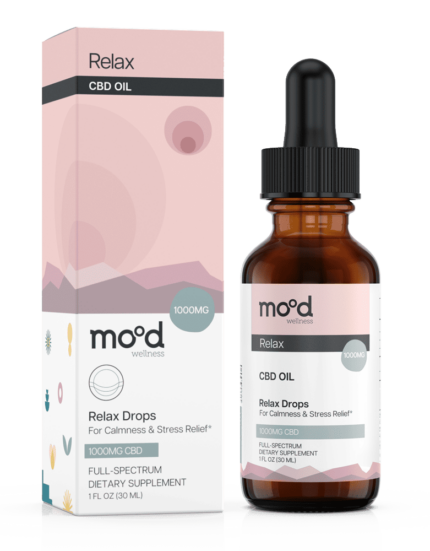
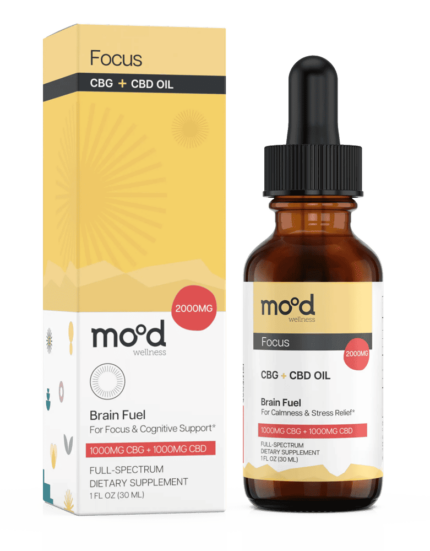
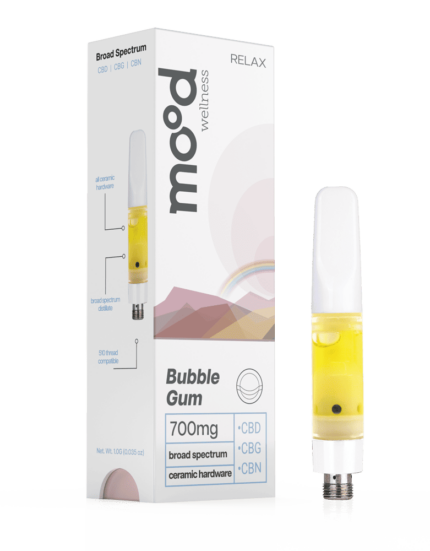
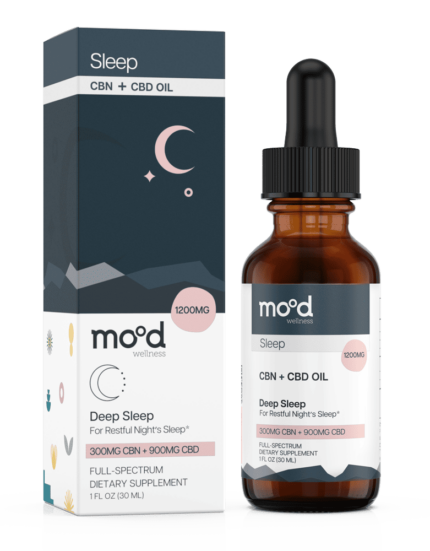
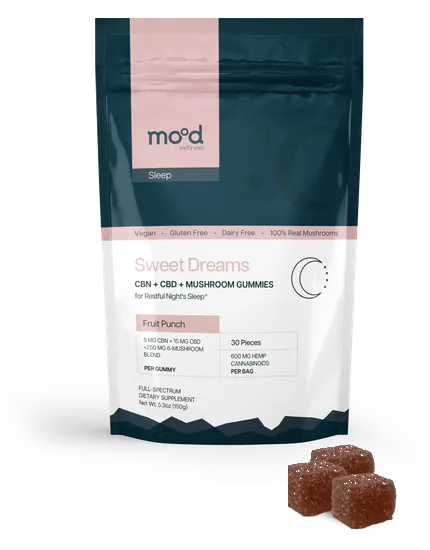
Cannabinoid formulas need another safety layer. CBD can cause drowsiness, gastrointestinal symptoms and drug interactions and has a liver-risk signal. CBN or THC may increase sedation or impairment. Full-spectrum hemp can create drug-test risk. Do not drive or operate machinery until you know how the complete product affects you.
Stop use and seek urgent help for trouble breathing, facial or throat swelling, fainting, severe confusion, chest pain, persistent vomiting or another severe reaction. Yellowing skin or eyes, dark urine or unusual abdominal pain warrants medical evaluation.

Keep all gummies away from children and pets. A candy-like appearance can lead to accidental ingestion, and a product with undisclosed psychoactive ingredients creates especially unpredictable risk. If unexpected intoxication or severe symptoms occur, contact poison control or emergency services.
From goal to product
A practical seven-step mushroom gummy decision
- Choose the category: use only clearly identified non-psychoactive functional mushroom products for a wellness routine.
- Name one goal: focus, daytime routine, evening routine or simple format preference;not a promise to treat disease.
- Select a species logically: connect the species to the research question, then read the evidence limits.
- Match the preparation: compare species, part, extraction and amount with the material studied.
- Evaluate the whole formula: include cannabinoids, caffeine, melatonin, sugar, allergens and overlapping supplements.
- Verify the current batch: confirm what each report tests and whether it matches the lot.
- Start conservatively: follow the label, change one variable and stop if the product causes problems.
If you specifically want a cannabinoid plus mushroom formula, move to Mood’s separate CBD mushroom gummy comparison. Keeping the commercial comparison on that page prevents this educational guide from competing with a “best” query and lets each URL answer one clear intent.
The strongest purchase is not necessarily the formula with the most mushrooms or the largest front-label number. It is the one whose identity, amounts, evidence limits, testing and risks you can explain before opening the package.
Quick answers
Mushroom gummy questions
Are functional mushroom gummies psychedelic?
No. Lion’s Mane, Cordyceps, Reishi and Turkey Tail do not contain psilocybin. A combined or inaccurately labeled product may contain other psychoactive ingredients, so the complete label and testing matter.
Will mushroom gummies make me high?
A functional mushroom alone should not. THC, Amanita compounds or undisclosed ingredients can alter how a gummy feels. Do not rely on package imagery to identify the category.
What are mushroom gummies good for?
They are primarily a convenient supplement format. Species-specific research explores cognition, exercise, immune markers and other outcomes, but a finished gummy should not be assumed effective without comparable evidence.
How long do mushroom gummies take to work?
There is no universal onset. Mushroom ingredients may have no immediate perceptible effect, while cannabinoids or caffeine can create formula-specific timing.
Can I take mushroom gummies every day?
Daily use is not automatically appropriate. Review the exact species, amount, other actives, medication interactions and long-term evidence with a qualified professional.
Are mushroom gummies better than capsules?
They may be easier to take, but capsules can hold more material and avoid gummy ingredients. Transparency, preparation, amount and testing matter more than format alone.
What should a mushroom gummy COA show?
There is no single universal panel. Look for lot-linked identity and relevant constituent or contaminant testing. Cannabinoid products also need potency and THC information.
Can mushroom gummies fail a drug test?
Functional mushrooms do not trigger a THC test, but full-spectrum hemp gummies can contain THC. Undisclosed ingredients also make risk impossible to predict.
Evidence and disclosure
Sources and editorial review
- CDC MMWR. Acute illnesses associated with mushroom-containing gummies.
- U.S. FDA. Investigation of illnesses linked to mushroom edibles.
- Operation Supplement Safety. Mushroom dietary supplements.
- NCBI Bookshelf. Medicinal mushrooms and research context.
- U.S. FDA. What to know about CBD products.
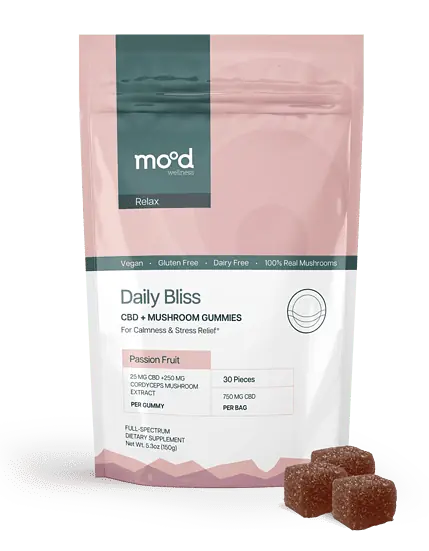
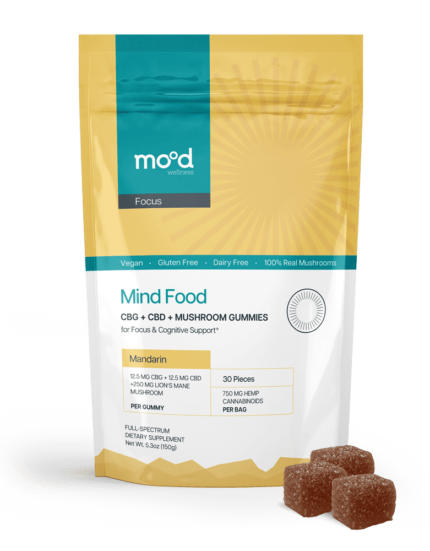
Product disclosure: Mood Wellness sells Mind Food and other cannabinoid-mushroom gummies. Mind Food is shown as a transparent formula example, not proof of a medical benefit or superiority over every product.
This article is educational and is not medical advice. Functional mushroom gummies are not presented as treatments for any disease or health condition.
Written and reviewed by Mood MagazineMaterially researched and updated September 6, 2026. Clinical review is recommended before publication; no clinician review is claimed here.